Machine learning sounds scary and complicated, but it’s actually everywhere around you right now. If you’ve ever gotten a Netflix recommendation, used voice search, or seen targeted ads online, you’ve already experienced machine learning in action.
This guide is for anyone who’s curious about machine learning but gets overwhelmed by technical explanations filled with complex algorithms and mathematical formulas. You don’t need a computer science degree to understand what machine learning really is or why it matters.
We’ll break down how machine learning actually works using everyday examples you can relate to. You’ll discover the surprising ways machine learning already influences your daily routine, from your morning commute app to your evening entertainment choices. We’ll also explore the three main types of machine learning and explain why understanding this technology now will help you navigate an increasingly digital world.
By the end, you’ll have a clear grasp of machine learning basics without getting lost in technical jargon or confusing terminology.
Machine Learning Demystified: What It Really Means in Plain English

Breaking down the scary terminology into everyday language
Machine learning sounds like something out of a sci-fi movie, but it’s really just a fancy name for teaching computers to recognize patterns. Think of it like teaching a child to identify different dog breeds. You show them hundreds of pictures of golden retrievers, and eventually, they learn to spot one on their own. That’s exactly what machine learning does – it feeds computers tons of examples until they can make educated guesses about new information.
The term “algorithm” gets thrown around a lot, but it’s simply a set of instructions. Like a recipe for baking cookies, an algorithm tells the computer what steps to follow. “Data” is just information – photos, numbers, text messages, shopping habits, or anything else that can be measured or recorded. When people talk about “training” a machine learning model, they’re describing the process of showing it examples so it can learn patterns.
Why machine learning isn’t as complicated as tech experts make it sound
Tech professionals love their complicated explanations, but machine learning boils down to pattern recognition on steroids. You already do this naturally every day without realizing it. When you walk into a coffee shop and instantly know it’s your type of place based on the music, lighting, and crowd, you’re processing patterns your brain learned from previous experiences.
Computers do the same thing, just with way more data and much faster processing. They can look at millions of examples where humans would get overwhelmed after just a few dozen. The “artificial intelligence” buzzword makes it sound mystical, but there’s nothing magical happening – just very fast pattern matching and statistical analysis.
The basic concept that anyone can understand
Here’s machine learning in its simplest form: computers learn from examples to make predictions or decisions about new situations. Imagine you’re Netflix trying to recommend movies. You have data about what millions of people watched and liked. Machine learning analyzes these patterns to predict what you might enjoy based on your viewing history and people with similar tastes.
The computer doesn’t “understand” movies like humans do. It just notices patterns: people who liked romantic comedies from the 90s often enjoy certain newer films with similar characteristics. It’s sophisticated pattern matching that gets better with more examples.
This same basic principle powers everything from spam filters in your email to voice recognition in your phone. The computer learns what spam looks like by studying thousands of unwanted emails, then applies those patterns to filter your inbox automatically.
How Machine Learning Actually Works Without the Technical Mumbo Jumbo
The simple pattern recognition process your brain already does
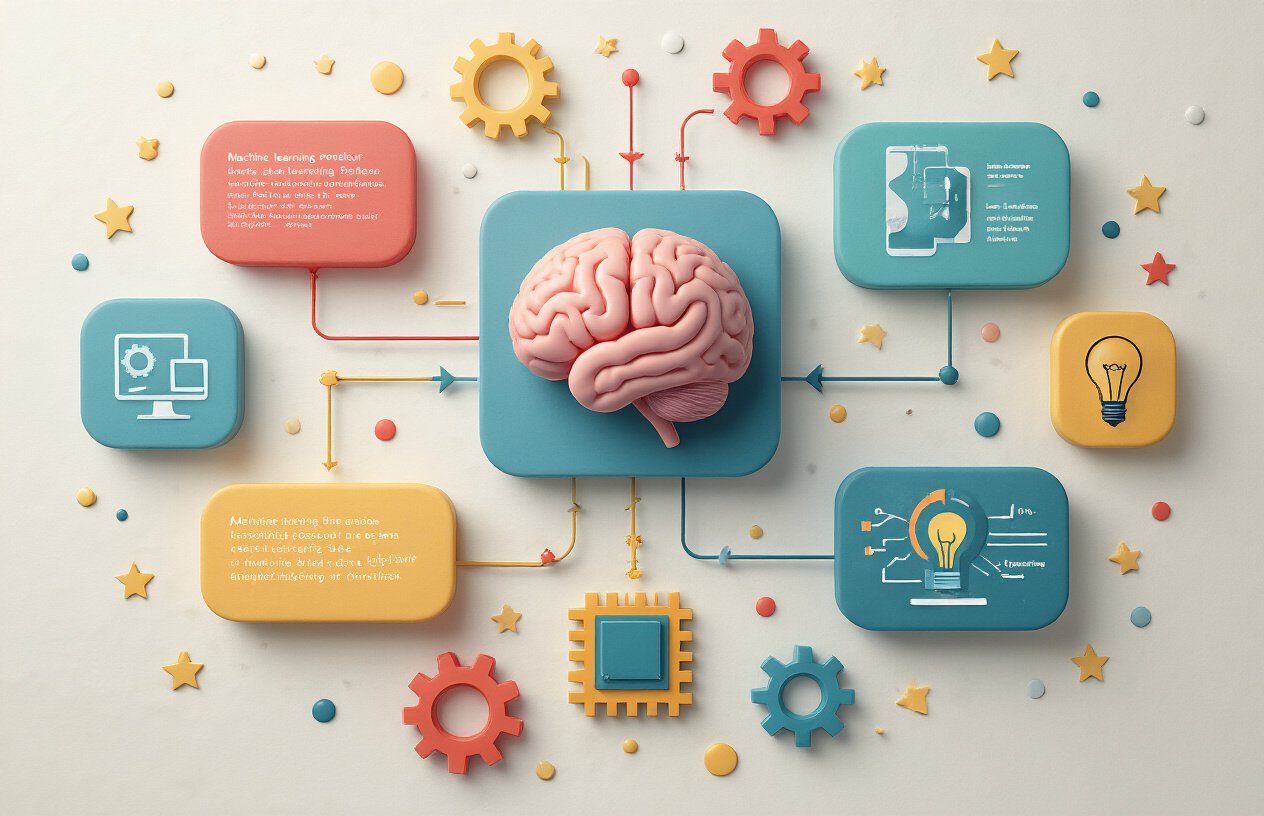
Your brain is already a master at machine learning – you just don’t realize it. Think about how you recognize your friend’s face in a crowded room or instantly know that a four-legged furry animal is a dog. Your brain processes thousands of visual cues, compares them to stored memories, and makes split-second decisions based on patterns you’ve learned throughout your life.
This same process happens when you hear a song on the radio and immediately know it’s your favorite artist, even if you’ve never heard that particular track before. Your brain has learned the unique vocal patterns, musical styles, and production techniques that define that artist. You’re not consciously analyzing frequency ranges or vocal timber – your brain just “knows” because it has processed similar patterns before.
Machine learning works the exact same way. Just like your brain stores experiences and uses them to recognize new situations, computers can be trained to spot patterns in data and make predictions about new information they encounter.
Teaching computers to learn like humans do
Imagine teaching a child to recognize different types of dogs. You’d show them hundreds of pictures – golden retrievers, bulldogs, chihuahuas – and each time you’d say “this is a dog.” Eventually, the child would start recognizing dogs they’d never seen before because they learned the common features: four legs, fur, tail, specific facial structures.
Computers learn through this same show-and-tell process, except instead of a few hundred examples, they might need thousands or millions. Programmers feed computers massive amounts of labeled data – photos tagged as “dog” or “cat,” emails marked as “spam” or “not spam,” or songs categorized by genre.
The computer analyzes all these examples, looking for mathematical patterns and relationships that humans might never notice. Maybe dogs in photos typically have certain pixel arrangements around the nose area, or spam emails contain specific word combinations that appear together 89% of the time.
Once the computer has processed enough examples, it can make educated guesses about new, unlabeled data. Show it a photo it’s never seen before, and it can say “based on the patterns I’ve learned, this has a 94% chance of being a dog.”
Real examples you encounter every day without realizing it
Your smartphone keyboard predicts the next word you’re typing by analyzing patterns in your previous messages and common language usage. When you type “Happy,” it suggests “Birthday” because it has learned that these words frequently appear together.
Netflix recommends movies based on viewing patterns from millions of users who have similar tastes to yours. The system notices that people who enjoyed the same five movies you recently watched also loved a particular thriller, so it suggests that title to you.
Your email automatically sorts spam into a separate folder by recognizing patterns in sender addresses, subject lines, and message content that typically indicate unwanted emails. It learned these patterns by analyzing millions of emails that users previously marked as spam.
When you take a photo with your phone, the camera automatically focuses on faces because it has learned to recognize facial patterns and assumes that’s what you want in sharp focus. Your banking app flags unusual transactions by comparing your current spending to your historical patterns and those of other customers.
Why data is the fuel that makes it all possible
Data is to machine learning what gasoline is to a car – without it, nothing happens. The quality and quantity of data directly determines how smart the computer becomes. Feed a computer blurry, mislabeled photos and it will make poor predictions. Give it millions of clear, accurately labeled examples and it becomes remarkably accurate.
Different types of problems require different types of data. Teaching a computer to recognize faces needs millions of photographs of people from different angles, lighting conditions, and backgrounds. Training a system to predict stock prices requires years of historical market data, economic indicators, and trading volumes.
The explosion of digital data in recent years has made machine learning incredibly powerful. Every Google search, Amazon purchase, social media post, and smartphone interaction creates data points that can train smarter systems. Your GPS app gets better at predicting traffic because millions of phones share anonymous location data that reveals real-time road conditions.
This data dependency also explains why tech companies guard their datasets so carefully – the company with the best data often builds the best machine learning systems, giving them a significant competitive advantage in everything from product recommendations to autonomous vehicles.
Machine Learning in Your Daily Life: Examples You Never Knew About
How Netflix knows exactly what you want to watch next
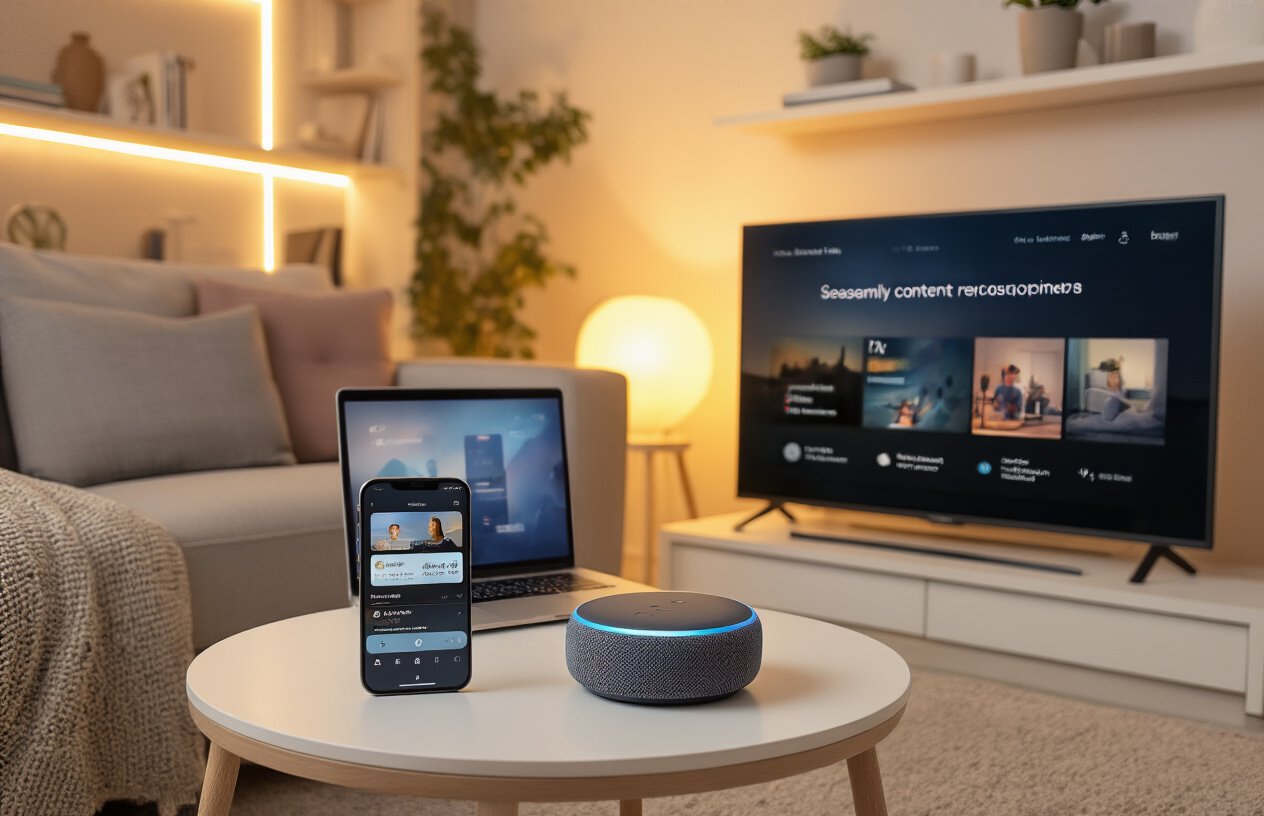
Ever wonder how Netflix seems to read your mind? That eerie feeling when you open the app and see the perfect show recommendation staring back at you isn’t magic—it’s machine learning working behind the scenes.
Netflix tracks everything you do on their platform. When you pause a show, rewind a scene, or binge-watch an entire season, their algorithms are taking notes. They analyze your viewing patterns, the time you spend watching different genres, and even the specific scenes where you tend to stop watching. This data gets fed into machine learning models that create a unique viewing profile just for you.
The system doesn’t just look at what you watch—it examines how similar users behave. If people who love the same shows as you also enjoy a particular thriller series, Netflix will bump that recommendation higher on your list. The algorithm constantly learns and adjusts, getting better at predicting your preferences with every click.
Why your email spam filter gets smarter over time
Your email spam filter started pretty basic, but it’s become incredibly sophisticated thanks to machine learning. When you first set up your email account, the filter relied on simple rules like blocking emails with certain keywords or suspicious sender addresses.
Now it’s much smarter. Every time you mark an email as spam or move something from your spam folder back to your inbox, you’re teaching the algorithm. It learns from these actions and millions of similar decisions made by other users worldwide. The filter analyzes email content, sender reputation, sending patterns, and even the structure of messages to identify potential spam.
Machine learning makes your spam filter adaptive. Scammers constantly change their tactics, creating new types of phishing emails or finding clever ways around traditional filters. Your email system learns to recognize these evolving threats, updating its understanding of what constitutes suspicious behavior. That’s why emails that might have slipped through a few years ago now get caught automatically.
The magic behind voice assistants understanding your commands
When you ask Siri to set a timer or tell Alexa to play your favorite playlist, machine learning makes that conversation possible. Voice recognition technology has come incredibly far from those early systems that could barely understand simple commands spoken in perfect pronunciation.
Your voice assistant breaks down your speech into tiny audio fragments, analyzing the sound waves to identify individual words and phrases. Machine learning models trained on millions of voice samples help the system understand different accents, speaking speeds, and even background noise. The more people use these assistants, the better they become at interpreting natural speech patterns.
Context matters too. When you say “play that song from yesterday,” the assistant doesn’t just hear the words—it understands you’re referring to something specific from your recent listening history. Machine learning helps connect these conversational dots, making interactions feel more natural and intuitive.
How your phone camera recognizes faces automatically
Your smartphone camera has become surprisingly good at spotting faces in photos, and machine learning deserves the credit. When you point your camera at a group of friends, the phone instantly identifies each face and can even suggest who to tag based on previous photos.
The technology works by analyzing facial features like the distance between eyes, nose shape, and jawline structure. Machine learning algorithms have been trained on countless facial images, learning to identify the unique patterns that make each face distinctive. Your phone builds a mathematical representation of each person’s face, storing this information locally for quick recognition.
Face recognition gets more accurate over time as you take more photos. The system learns to recognize people from different angles, in various lighting conditions, and even as they age or change their appearance. When you confirm photo tags or make corrections, you’re helping the algorithm improve its accuracy for future photos.
The Three Main Types of Machine Learning Made Simple
Supervised Learning: Teaching with Answer Sheets
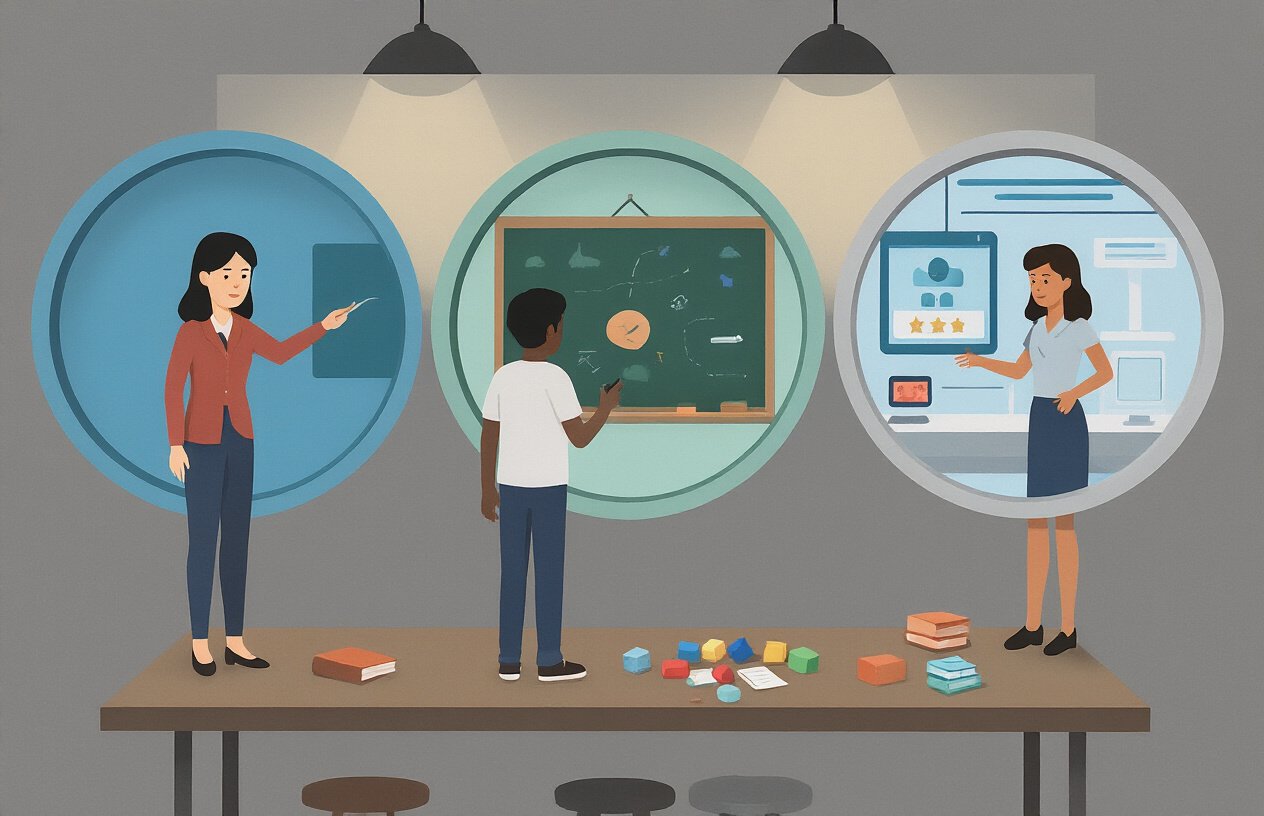
Think of supervised learning like teaching a child to recognize animals using flashcards. You show them a picture of a dog and say “this is a dog,” then show them a cat and say “this is a cat.” After seeing hundreds of examples with the correct answers, the child learns to identify new animals on their own.
Supervised learning works exactly the same way. You feed the computer thousands of examples with the correct answers already provided. Want to teach it to recognize spam emails? Give it 10,000 emails already labeled as “spam” or “not spam.” The algorithm studies these examples, finds patterns, and learns to make predictions on new, unlabeled data.
Common examples include:
- Email spam detection
- Medical diagnosis from symptoms
- Credit card fraud detection
- Voice recognition systems
- Recommendation engines on Netflix or Amazon
The beauty of supervised learning is its reliability. Since you’re training with known correct answers, you can measure how accurate your system becomes before putting it to work in the real world.
Unsupervised Learning: Finding Hidden Patterns on Its Own
Imagine dumping a box of mixed LEGO pieces on a table and asking someone to organize them without giving any instructions. They might group them by color, size, or shape – finding their own way to make sense of the chaos. That’s unsupervised learning in action.
Unlike supervised learning, there are no “correct answers” provided upfront. The algorithm looks at raw data and tries to find hidden patterns, relationships, or structures that humans might miss or take forever to discover.
Real-world applications include:
- Customer segmentation for marketing (grouping shoppers by behavior)
- Gene sequencing and medical research
- Market basket analysis (what products people buy together)
- Social network analysis
- Anomaly detection in cybersecurity
Companies love unsupervised learning because it reveals insights they never knew existed. A grocery store might discover that people who buy organic vegetables also tend to purchase premium pet food – a connection no human analyst would have thought to look for.
Reinforcement Learning: Learning Through Trial and Error
Remember learning to ride a bike? You didn’t read a manual or watch someone else do it perfectly. You got on, fell down, adjusted your approach, tried again, and gradually got better through pure trial and error. Reinforcement learning mimics this natural learning process.
The algorithm receives rewards for good decisions and penalties for bad ones, just like getting a treat for good behavior or a time-out for misbehaving. Over millions of attempts, it figures out which actions lead to the best outcomes.
Famous examples include:
- Game-playing AI (chess, Go, video games)
- Self-driving cars learning traffic rules
- Trading algorithms in financial markets
- Chatbots improving conversation skills
- Robotics and automation systems
The most impressive part? These systems often discover strategies that human experts never considered. AlphaGo, the AI that beat world Go champions, made moves that professional players initially thought were mistakes – until they realized the AI had found entirely new ways to win.
Each type serves different purposes, but together they form the foundation of modern AI systems that are quietly revolutionizing how we work, shop, communicate, and live.
Why Machine Learning Matters for Your Future

Jobs and industries being transformed right now
Machine learning is reshaping entire industries faster than most people realize. Healthcare professionals now use AI to spot diseases in medical scans that human eyes might miss. Radiologists work alongside algorithms that can detect early-stage cancers, while doctors use predictive models to identify patients at risk of complications before symptoms appear.
The financial sector has completely embraced machine learning for fraud detection, risk assessment, and algorithmic trading. Banks use AI to approve loans in minutes instead of days, analyzing thousands of data points to make accurate lending decisions. Even customer service has changed dramatically – those chatbots that actually understand your questions? That’s machine learning at work.
Manufacturing companies rely on predictive maintenance systems that know when machines need repairs before they break down. This saves millions in downtime costs and prevents dangerous accidents. Transportation is another massive area of change, with ride-sharing apps optimizing routes in real-time and logistics companies using AI to manage supply chains more efficiently.
Marketing professionals now depend on machine learning to target the right customers with personalized content. E-commerce platforms use recommendation engines to suggest products you’re likely to buy, while streaming services curate content based on your viewing habits. Even traditional fields like agriculture use drones and sensors powered by AI to monitor crop health and optimize irrigation.
How it will make your life easier and more convenient
Your daily routine already benefits from machine learning in ways you probably don’t notice. Your smartphone’s camera automatically adjusts settings and enhances photos using AI algorithms. Navigation apps like Google Maps and Waze analyze real-time traffic data to find the fastest routes, saving you time and fuel.
Smart home devices learn your preferences and adjust accordingly. Your thermostat figures out when you’re typically home and automatically adjusts the temperature. Streaming services know what shows you’ll enjoy based on your watching history, eliminating the endless scrolling through options.
Online shopping becomes effortless with personalized recommendations and price comparisons. AI-powered assistants help you find products, track deliveries, and even predict when you’ll need to reorder household essentials. Voice assistants understand natural language better each day, making it easier to control your smart home, set reminders, or get quick answers to questions.
Machine learning also makes technology more accessible. Real-time language translation breaks down communication barriers, while accessibility features help people with disabilities interact with devices more easily. Photo organization happens automatically, with AI sorting your pictures by people, places, and events without any manual effort from you.
The skills you need to stay relevant in an AI-powered world
Don’t panic – you don’t need to become a computer scientist to thrive in an AI-driven world. The most valuable skills are actually human skills that complement machine learning capabilities. Critical thinking tops the list because someone needs to interpret AI results and make decisions based on them.
Communication skills become even more important as you’ll need to explain complex AI insights to colleagues, clients, or customers who might not understand the technology. Problem-solving abilities help you figure out how to apply AI tools to real business challenges.
Data literacy is increasingly valuable – not the ability to code, but understanding how to read charts, interpret trends, and ask the right questions about data. You should know the difference between correlation and causation, understand basic statistics, and recognize when data might be biased or incomplete.
Adaptability and continuous learning mindset matter most. Technology changes rapidly, so staying curious and willing to learn new tools gives you a competitive edge. Emotional intelligence remains uniquely human – machines can’t replicate empathy, creativity, or the ability to build genuine relationships with people.
| Essential Skills | Why They Matter |
|---|---|
| Critical Thinking | Interpret AI results and make informed decisions |
| Communication | Explain AI insights to non-technical people |
| Data Literacy | Understand and question data without coding |
| Adaptability | Keep up with rapidly changing technology |
| Emotional Intelligence | Provide human connection machines can’t replicate |
Simple ways to start learning without becoming a programmer
You can start exploring machine learning today without writing a single line of code. Online platforms like Coursera, edX, and Khan Academy offer beginner-friendly courses that explain concepts using plain English and visual examples. Look for courses with titles like “AI for Everyone” or “Machine Learning for Non-Programmers.”
YouTube channels dedicated to explaining AI concepts in simple terms provide free education. Channels like 3Blue1Brown, Crash Course, and Two Minute Papers break down complex topics into digestible videos you can watch during lunch breaks.
Experiment with no-code AI tools that let you build simple machine learning projects through drag-and-drop interfaces. Platforms like Teachable Machine by Google let you train models to recognize images, sounds, or poses using just your webcam. Zapier and Microsoft Power Platform offer automation tools that use AI without requiring programming knowledge.
Read books written for general audiences rather than technical manuals. “The Hundred-Page Machine Learning Book” by Andriy Burkov and “AI for People in a Hurry” by Neil Reddy explain concepts clearly without overwhelming technical details.
Join online communities like Reddit’s r/MachineLearning or LinkedIn groups focused on AI in your industry. These spaces let you ask questions, share articles, and learn from others at different stages of their AI journey. Many professionals share real-world examples and practical applications that make abstract concepts easier to understand.
Machine learning isn’t the mysterious, intimidating technology that tech companies want you to think it is. It’s already woven into your daily routine through Netflix recommendations, email spam filters, and even your phone’s camera that automatically focuses on faces. At its core, machine learning is just computers getting better at tasks by learning from examples, much like how you learned to ride a bike through practice and repetition.
The three main types – supervised, unsupervised, and reinforcement learning – each tackle different problems, but they all share the same goal: making computers smarter without having to program every single possibility. As this technology continues to shape everything from healthcare to transportation, understanding the basics puts you ahead of the curve. You don’t need to become a data scientist, but knowing what machine learning actually does helps you make better decisions about the apps you use, the privacy settings you choose, and the career moves you make in an increasingly digital world.