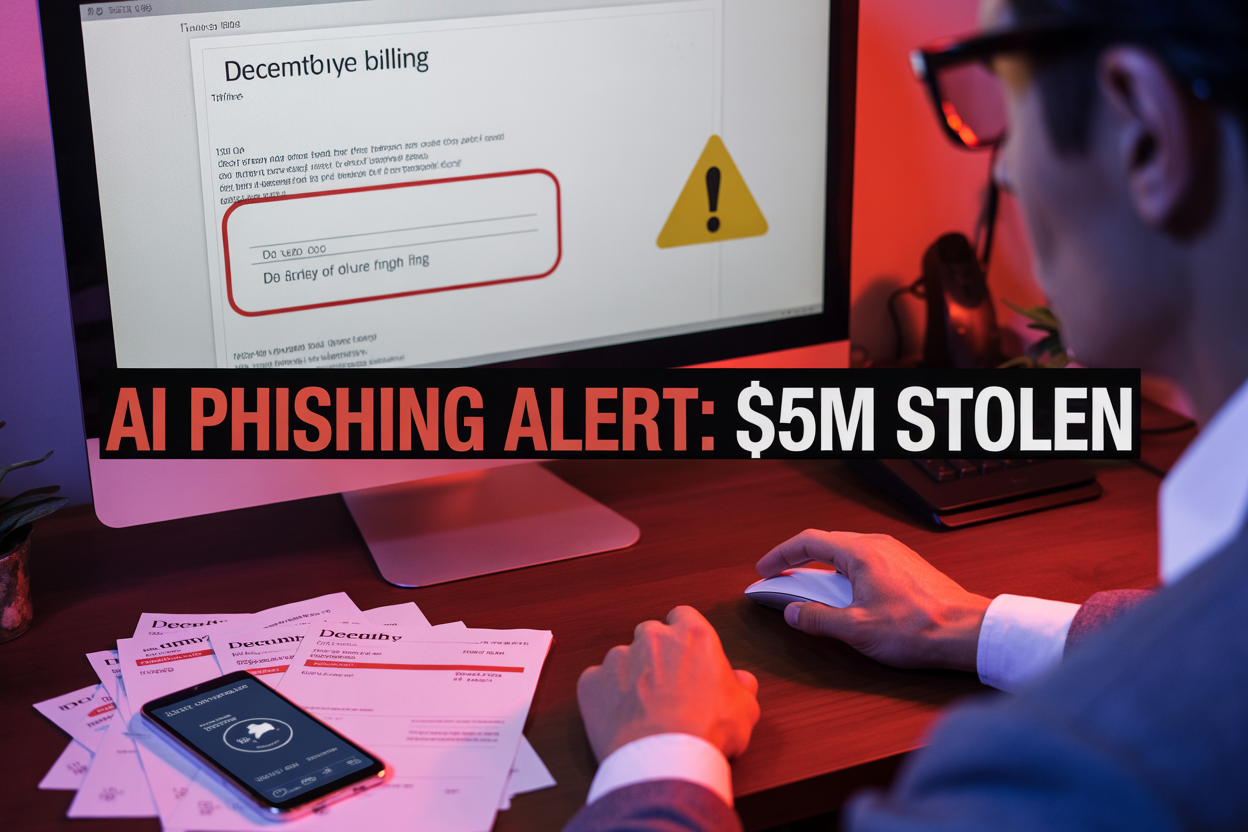
Last week, cybercriminals used advanced AI phishing tricks to steal $5 million from unsuspecting homeowners paying their December bills. This attack targeted anyone who pays utilities, mortgage, or credit card bills online – especially during the busy holiday season when people rush through their payments.
This guide is for homeowners, renters, and anyone who pays bills online who wants to protect their bank accounts from these sophisticated new scams.
We’ll break down exactly how these AI-powered attacks work differently from the obvious spam emails you’re used to spotting. You’ll learn the specific warning signs that can help you catch these fake bills before you hand over your payment information. We’ll also walk through simple steps to verify your bills are real and share practical security measures that take just minutes to set up but can save you thousands of dollars.
The scammers are getting smarter, but you can stay one step ahead with the right knowledge.
The $5 Million AI Phishing Attack That Shocked December Bill Payers
How criminals used deepfake voice technology to mimic trusted companies
Cybercriminals have reached a new level of sophistication by deploying AI-powered deepfake voice technology to impersonate customer service representatives from major utility companies, banks, and subscription services. These attacks begin with seemingly innocent phone calls where victims hear a familiar voice from their trusted service provider, complete with the correct company background sounds and hold music.
The criminals gathered voice samples from companies’ public-facing content—YouTube videos, webinars, and customer service recordings—then fed this data into AI voice synthesis tools. Within hours, they could generate convincing audio that mimicked specific representatives down to regional accents and speech patterns.
During these calls, the fake representatives informed customers about “billing system updates” requiring immediate verification of payment methods. The AI voices delivered scripted conversations with natural pauses, appropriate emotional inflections, and company-specific terminology that made the calls virtually indistinguishable from legitimate customer service interactions.
What made these attacks particularly devastating was the criminals’ ability to reference genuine account information obtained through previous data breaches, lending credibility to their impersonation attempts.
The sophisticated email templates that fooled even tech-savvy victims
The email component of this scheme represented a masterclass in social engineering, featuring pixel-perfect replicas of legitimate billing statements from recognizable brands. These weren’t crude phishing attempts with obvious spelling errors—they were professionally crafted communications that passed even careful scrutiny.
Each email contained:
- Authentic company logos and branding sourced directly from official websites
- Personalized account details including partial account numbers and billing history
- Dynamic content that adjusted based on the recipient’s location and past interaction patterns
- Legitimate-looking sender addresses using compromised company email servers or convincing spoofed domains
The criminals employed machine learning algorithms to analyze thousands of genuine billing emails, identifying common phrases, formatting patterns, and seasonal messaging strategies. This analysis enabled them to create templates that incorporated subtle psychological triggers specific to December billing cycles.
Security-conscious recipients who typically verified sender addresses found emails arriving from domains like “billing-updates-december[company].com” or seemingly internal addresses that had been compromised through sophisticated network intrusions.
Why December billing cycles became the perfect storm for this attack
December created ideal conditions for this AI-powered assault due to several converging factors that criminals exploited with calculated precision. The month brings heightened financial anxiety as people juggle holiday expenses, year-end bills, and budget planning for the new year.
Many companies issue annual statements, membership renewals, and holiday billing adjustments during December, creating a legitimate flood of financial communications that provided perfect camouflage for fraudulent messages. Recipients expected to receive more bills and payment notifications than usual, reducing their natural skepticism.
The psychological pressure of holiday spending made victims more likely to quickly process payment requests without thorough verification. People rushing to clear December bills before year-end often prioritized speed over security, exactly what the criminals counted on.
Key December vulnerabilities that criminals exploited:
- Increased volume of legitimate billing communications
- Holiday-related financial stress and time pressure
- Year-end payment deadlines creating urgency
- Reduced staffing at customer service centers, making verification calls difficult
- Higher likelihood of people being distracted while managing multiple financial obligations
The attackers also timed their campaigns to coincide with major shopping events like Black Friday and Cyber Monday, when people were already conditioned to receive numerous promotional and billing-related emails from various companies.
How AI-Powered Phishing Differs from Traditional Email Scams
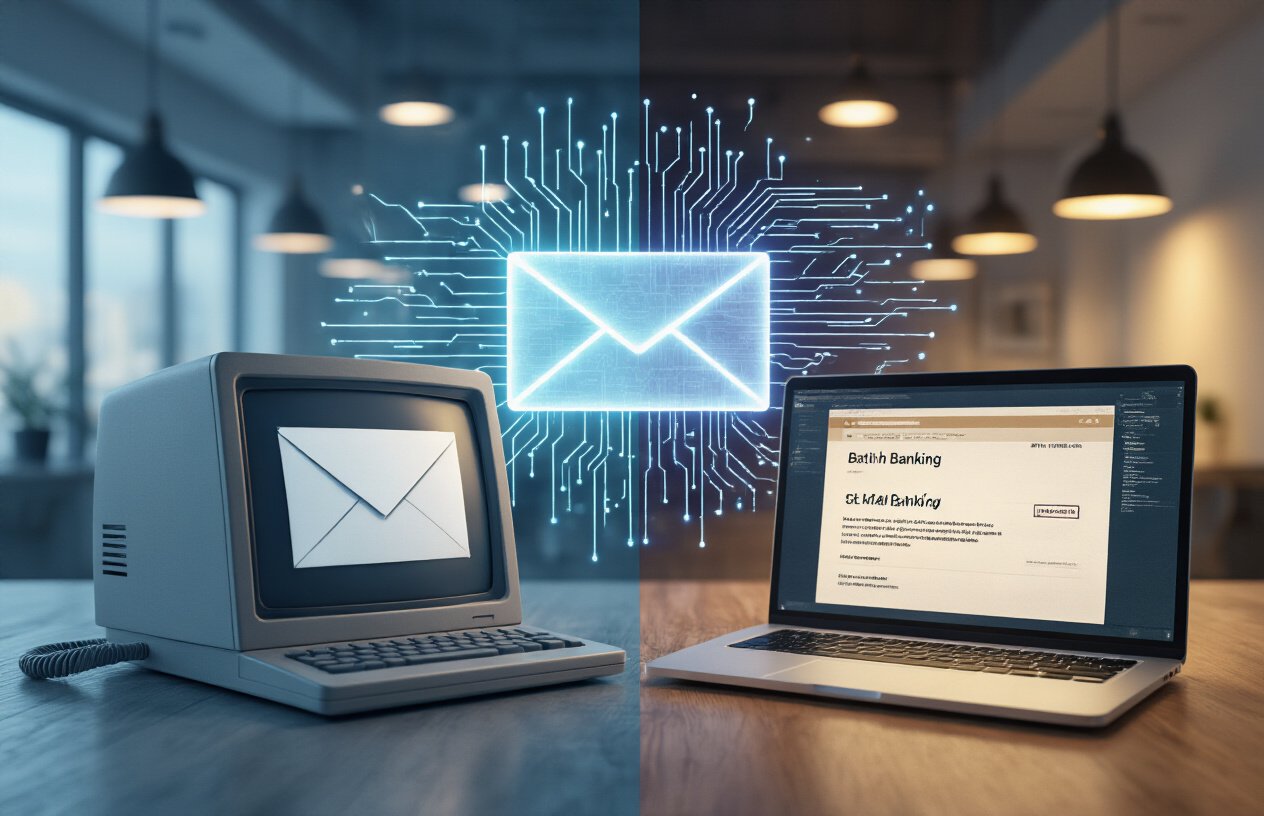
Machine learning algorithms that personalize attacks based on your data
Cybercriminals have weaponized machine learning to create phishing attacks that feel unnervingly personal. These algorithms scan through data breaches, social media profiles, and public records to build detailed profiles of potential victims. When you receive that fake utility bill, it doesn’t just use your name – it references your actual energy provider, knows your typical billing cycle, and might even mention recent service outages in your neighborhood.
Traditional phishing emails relied on generic templates sent to thousands of people. Now, AI creates unique messages for each target. If you recently moved homes (information scraped from public records), the fake email might reference “updating your service address.” If you’ve complained about high bills on social media, the scam message could offer a “billing adjustment” or “energy efficiency rebate.”
The scariest part? These systems learn from your reactions. Click on a link, and the algorithm notes what type of message caught your attention. Delete an email without opening it? The system adjusts its approach for next time. This continuous learning makes each subsequent attack more sophisticated and harder to detect.
Real-time voice cloning that mimics customer service representatives
Voice cloning technology has reached the point where scammers can recreate anyone’s voice using just a few seconds of audio – often pulled from social media videos, company websites, or voicemails. When you call the number on that suspicious bill, you might hear what sounds exactly like your utility company’s customer service representative, complete with the right accent, speech patterns, and even background noise that mimics a real call center.
These AI-generated voices don’t just sound human; they’re programmed with specific knowledge about your account. The fake representative might reference your payment history, mention recent service calls to your address, or discuss local utility issues affecting your area. This level of detail makes the conversation feel authentic and trustworthy.
What makes this particularly dangerous is the real-time aspect. Unlike pre-recorded messages, these AI voices can respond to your questions and concerns naturally. Ask about a specific charge, and the system generates a plausible explanation on the spot. Express confusion about the bill, and the voice adapts its tone to sound more helpful and understanding.
Dynamic content generation that adapts to your responses
Modern phishing attacks don’t just send static emails and hope for the best. They create interactive experiences that evolve based on your behavior. Click on a link in a fake bill notification, and you’re taken to a website that looks identical to your utility company’s portal. But here’s where AI takes over – the site adapts its content in real-time based on how you interact with it.
Hesitate before entering your login credentials? The site might display a “security notice” about recent account breaches to create urgency. Spend time reading the terms of service? The page could highlight “limited-time offer” language to pressure quick action. Start to navigate away? A pop-up appears with a “customer service chat” offering immediate assistance.
This dynamic approach extends to email conversations too. Reply to a phishing email with questions, and AI generates responses that address your specific concerns while steering you toward the desired action. The system analyzes your writing style, emotional state, and level of tech-savviness to craft replies that feel authentic and persuasive.
Behavioral analysis that predicts your most vulnerable moments
AI doesn’t just create convincing fake bills – it knows exactly when to send them for maximum impact. These systems analyze patterns in your digital behavior to identify moments when you’re most likely to fall for a scam. Just paid your mortgage? You might receive a fake property tax notice the next day. Recently searched for better insurance rates? Expect a “billing discrepancy” email from your current provider.
The timing goes beyond just financial patterns. AI tracks when you typically check email, how quickly you respond to urgent messages, and even correlates your social media activity with your stress levels. Posting about work deadlines or family emergencies? That’s when the fake “account suspension” notice arrives, knowing you’re distracted and more likely to act without thinking.
These systems also identify behavioral vulnerabilities unique to each target. Some people are more susceptible to authority-based appeals, while others respond to fear-based messaging. The AI tailors both the content and timing of attacks to exploit these individual psychological triggers, making each phishing attempt significantly more effective than traditional spray-and-pray approaches.
The Warning Signs Every Bill Payer Must Know

Urgent Payment Requests with Shortened Deadlines
AI-powered phishing attacks prey on your natural anxiety about overdue bills and late fees. These sophisticated scams create artificial urgency by claiming your service will be disconnected within 24-48 hours unless you pay immediately. Legitimate utility companies, credit card issuers, and service providers typically give customers 30 days or more before taking drastic action.
Watch for phrases like “immediate action required,” “final notice – pay within 24 hours,” or “avoid service interruption – click here now.” Real companies understand that customers need reasonable time to verify charges and arrange payment. They also provide multiple contact methods and won’t pressure you into making split-second financial decisions.
The psychological pressure these messages create is intentional. Scammers know that when people panic about losing essential services like electricity or internet, they’re more likely to bypass their usual verification steps. Always step back and ask yourself: when did I last receive a warning about this bill? Have I been ignoring previous notices? Most legitimate final notices come after several earlier communications.
Slight Variations in Company Domain Names and Email Addresses
Modern AI can generate email addresses that look almost identical to legitimate company domains. Instead of “support@verizon.com,” you might receive an email from “support@verizon-billing.com” or “alerts@verizonwireless.net.” These subtle changes are easy to miss when you’re quickly scanning your inbox.
Look closely at the sender’s email address before clicking anything. Legitimate companies use consistent domain names that match their official websites exactly. Here’s what to check:
- Domain endings: Real companies stick to .com, .net, or their country-specific domains like .co.uk
- Extra words or hyphens: “billing-amazon.com” or “paypal-secure.com” are red flags
- Misspellings: “amazom.com” or “paypaI.com” (using capital I instead of lowercase l)
- Subdomains: Be suspicious of addresses like “billing.secure-amazon.payments.com”
Create a habit of hovering over sender names without clicking. Most email clients show the full address when you hover. If you’re unsure, manually type the company’s official website into your browser and log into your account directly rather than clicking email links.
Requests for Payment Through Unusual Methods or Platforms
Legitimate companies rarely change their established payment methods without advance notice and multiple communications. Red flags include sudden requests to pay through gift cards, cryptocurrency, wire transfers, or unfamiliar payment apps like Zelle, CashApp, or PayPal for companies that normally accept credit cards or bank transfers.
Be especially wary of these payment method changes:
| Suspicious Request | Why It’s Dangerous | Legitimate Alternative |
|---|---|---|
| iTunes gift cards for utility bills | Untraceable, irreversible | Credit card, bank transfer |
| Bitcoin for insurance premiums | Anonymous, no recourse | Check, automatic bank draft |
| Wire transfer for subscription services | Hard to reverse, expensive | Credit card, PayPal |
| Prepaid debit cards for medical bills | No fraud protection | Insurance claim, payment plan |
Real companies invest heavily in secure payment systems and won’t suddenly ask you to use methods that offer no buyer protection. They also won’t ask you to purchase gift cards and read the codes over the phone or via email. This payment method is exclusively used by scammers because it’s virtually impossible to trace or recover.
If a company claims they’re “updating their payment system” and need you to use a new method immediately, call them directly using the phone number on your most recent legitimate bill or their official website. Don’t use contact information provided in the suspicious email.
How to Verify Legitimate Bills Before Making Any Payment
Direct Contact Protocols Using Official Company Phone Numbers
When you receive a suspicious bill, your first move should be picking up the phone and calling the company directly. But here’s the catch – never use the phone number printed on the suspicious bill itself. AI scammers are smart enough to include fake customer service numbers that connect you straight to their operation.
Instead, grab your previous legitimate statements or search for the official company website to find their customer service number. Write down the number you find independently, then call to verify the bill’s authenticity. When you speak with a representative, ask them to pull up your account and confirm the exact billing details, including amounts, due dates, and any recent account changes.
Keep a record of who you spoke with, including their name and employee ID if available. Legitimate companies will happily provide this information and can always transfer you to a supervisor if needed. If the person on the phone gets pushy about immediate payment or refuses to provide their credentials, that’s a massive red flag.
Login Verification Through Official Websites Only
Your online account portal is your best friend for bill verification, but only if you access it the right way. Never click links in emails or texts claiming to be from your utility company, bank, or service provider. These links often lead to convincing fake websites designed to steal your login credentials.
Type the company’s web address directly into your browser or use a bookmark you’ve saved from previous legitimate visits. Once you’re logged into your genuine account, navigate to the billing section and compare what you see there with the bill you received. The amounts, dates, and account details should match perfectly.
Pay special attention to your payment history and account activity. If the suspicious bill claims you missed payments, but your online account shows everything current, you’re definitely dealing with a scam. Real companies sync their systems, so discrepancies between your online account and received bills are immediate warning signs.
Cross-Referencing Bill Details With Previous Statements
Your filing cabinet or email folder full of old bills is actually a powerful security tool. Pull out your last three to six months of statements from the same company and lay them side by side with the questionable bill. Look for consistent formatting, logos, fonts, and layout styles that legitimate companies rarely change.
Check the progression of your account numbers, service addresses, and billing cycles. Scammers often get basic details wrong, like using outdated account numbers or incorrect service periods. Real bills follow predictable patterns – your electricity usage might fluctuate seasonally, but it won’t suddenly triple without explanation.
Create a simple comparison chart noting payment amounts, due dates, and any fees from previous months. If the current bill shows dramatic changes without corresponding notifications about rate increases or service modifications, contact the company for clarification before paying anything.
Payment Method Validation Techniques That Protect Your Accounts
Smart payment practices can save you from financial disaster even if you encounter a sophisticated scam. Never pay bills through unfamiliar payment portals, money transfer services, or gift card requests – legitimate companies don’t operate this way.
Stick to payment methods that offer protection and can be reversed if needed. Credit cards provide the strongest fraud protection, while direct bank transfers and debit cards offer less recourse if something goes wrong. If you typically pay through your bank’s bill pay service, continue using that familiar system rather than trying new payment links.
Set up automatic payments only through official company websites or your bank’s bill pay system. This eliminates the risk of responding to fake payment requests while ensuring your legitimate bills get paid on time. Many companies also offer payment confirmation emails or texts – verify these come from addresses you recognize and save them for your records.
When paying online, always look for security indicators like “https://” in the web address and padlock icons in your browser. If a payment page looks different from what you’ve used before or asks for unusual information like your Social Security number for a utility payment, stop immediately and verify through official channels.
Essential Security Measures to Shield Your Financial Accounts
Multi-factor authentication setup for all banking and utility accounts
Banking and utility companies now offer robust multi-factor authentication (MFA) options that create multiple barriers between cybercriminals and your accounts. Start by enabling MFA on every financial account you own, including checking, savings, credit cards, and utility services like electricity, gas, and water bills.
The most secure MFA method uses authenticator apps like Google Authenticator, Microsoft Authenticator, or Authy rather than SMS text messages. Text messages can be intercepted through SIM swapping attacks, where criminals take control of your phone number. Authenticator apps generate time-based codes that refresh every 30 seconds, making them nearly impossible for attackers to use even if they somehow obtain one.
Hardware security keys offer the highest level of protection. These small USB or wireless devices provide physical proof of your identity that can’t be replicated remotely. Major banks increasingly support FIDO2 security keys, which work seamlessly with both desktop and mobile banking apps.
When setting up MFA, create backup codes and store them securely offline. Many people get locked out of their accounts when they lose or replace their phone without transferring their authenticator app first. Print these backup codes and keep them in a safe place away from your computer.
Email filtering rules that block sophisticated phishing attempts
Modern email clients and security services offer advanced filtering capabilities that can catch AI-generated phishing emails before they reach your inbox. Set up custom rules that automatically quarantine emails containing urgent payment requests, especially those claiming account suspension or service termination within 24-48 hours.
Configure your email to flag messages from senders who aren’t in your contact list but use familiar company names in their display name. Phishers often use tactics like “Chase Bank Customer Service noreply@fakesite.com” to fool recipients at first glance. Your email client can highlight when the sender’s domain doesn’t match the claimed organization.
Enable advanced threat protection features available through Gmail, Outlook, or Yahoo Mail’s premium services. These systems use machine learning to analyze email content, sender reputation, and link destinations in real-time. They can detect subtle variations in language patterns that indicate AI-generated content designed to mimic legitimate business communications.
Create a separate email address specifically for financial accounts and bill payments. This reduces the attack surface by limiting which address receives legitimate financial communications. Use your primary email for general correspondence and shopping, keeping your financial email private and sharing it only with verified service providers.
Set up automatic forwarding rules that send copies of emails from financial institutions to a secondary account. This creates an audit trail that helps you quickly identify unauthorized communications claiming to be from your bank or utility companies.
Regular monitoring of account statements and credit reports
Check your bank and credit card statements weekly rather than waiting for monthly cycles. Many financial institutions offer real-time transaction alerts via email or text message. Enable these notifications for all transactions above $1, not just large purchases. Small unauthorized charges often indicate that criminals are testing stolen payment information before making larger purchases.
Download and review your complete bank statements monthly, looking specifically for recurring charges you don’t recognize. Cybercriminals often sign victims up for small subscription services that appear legitimate but drain accounts slowly over time. These charges frequently show up with generic names that don’t immediately reveal their true nature.
Access your free annual credit reports from all three major bureaus: Experian, Equifax, and TransUnion. You’re entitled to one free report from each bureau every 12 months through AnnualCreditReport.com. Stagger these requests throughout the year so you can monitor your credit every four months without paying fees.
Look for new accounts, credit inquiries, or address changes you didn’t authorize. Identity thieves often open new credit lines or change account addresses to intercept statements and hide their activities. Pay special attention to utility accounts, which criminals frequently target because they require less stringent identity verification than traditional credit cards.
Consider signing up for credit monitoring services that provide real-time alerts about changes to your credit profile. Many banks offer these services free to customers, and they can notify you within hours of suspicious activity rather than weeks or months later when you manually check your reports.
Set up account alerts that notify you immediately of password changes, new device logins, or unusual account access patterns. Most financial institutions can text or email you when someone logs into your account from an unrecognized device or location, giving you a chance to secure your account before significant damage occurs.
AI-powered phishing attacks have reached a dangerous new level, as demonstrated by the recent $5 million theft from unsuspecting homeowners. These sophisticated scams go far beyond traditional email tricks, using advanced technology to create convincing fake bills that even careful consumers struggle to identify. The warning signs are subtle but crucial – always double-check sender addresses, verify amounts against your records, and be suspicious of urgent payment requests or unusual payment methods.
Your best defense starts with simple verification steps before paying any bill. Contact companies directly using official phone numbers from their websites, never from the email itself. Set up account alerts, use secure payment portals, and regularly monitor your financial statements. Taking these precautions might feel like extra work, but it’s nothing compared to the headache of recovering stolen funds and repairing damaged credit. Stay vigilant this December – your financial security depends on it.