
Planning a holiday trip used to mean sacrificing entire weekends to research flights, compare hotels, and coordinate bookings across multiple websites. Now AI agents like Layla and Google can handle your complete travel planning in under 20 minutes.
This guide is for busy professionals, families, and anyone tired of spending hours on travel research instead of actually enjoying their free time. You’ll discover how AI agents transform the exhausting trip planning process into a quick, stress-free experience.
We’ll walk through the exact 20-minute process I used to book a complete holiday trip, compare traditional planning methods with AI-powered solutions, and share proven strategies to get the best results from your AI travel planning team.
The Weekend Planning Problem That Costs You Time and Stress

Hours spent researching destinations and comparing options
Picture this: Sunday evening arrives, and you’re staring at seventeen browser tabs comparing hotel prices, flight schedules, and restaurant reviews. What started as a quick “let me just check a few options” has turned into a three-hour rabbit hole of TripAdvisor reviews and booking site comparisons. You’ve read conflicting opinions about whether Hotel A’s “charming historic character” actually means “tiny rooms with creaky floors,” and you’re no closer to making a decision than when you started.
Most travelers spend between 8-12 hours researching a single vacation, jumping between multiple platforms to cross-reference prices, availability, and reviews. You check Expedia for flights, Booking.com for hotels, Yelp for restaurants, and Google Maps for transportation options. Each platform shows different information, different prices, and different availability windows, creating a confusing maze of data that’s impossible to process efficiently.
Decision fatigue from overwhelming choices
The modern travel industry bombards you with endless options. A simple search for “hotels in Barcelona” returns thousands of results, each with hundreds of reviews, multiple room types, and varying cancellation policies. Your brain wasn’t designed to process this volume of choices, and research shows that too many options actually paralyze decision-making rather than improve it.
Decision fatigue kicks in after evaluating just a handful of options. By the time you’ve compared your tenth hotel, your ability to make rational choices has diminished significantly. You start second-guessing earlier options that seemed perfect, wondering if there’s something even better just one more search away. This mental exhaustion often leads to either hasty last-minute decisions or complete abandonment of travel plans altogether.
Missed opportunities due to delayed booking
While you’re stuck in analysis paralysis, the best deals disappear. That perfect beachfront room at 40% off? Gone. The direct flight with your preferred departure time? Sold out. The highly-rated restaurant you wanted to try? Fully booked for your travel dates.
Travel pricing operates on dynamic algorithms that reward quick decision-makers and penalize those who hesitate. Airlines adjust prices multiple times per day, hotels offer flash sales that last mere hours, and popular experiences sell out weeks in advance. Every day spent researching instead of booking increases your chances of missing out on the exact experience you wanted at the price you could afford.
The hidden cost of procrastination on weekend relaxation
Your weekends were supposed to be for recharging, but instead they’ve become extended work sessions focused on travel planning. Saturday mornings that should involve leisurely coffee and relaxation turn into stressful comparison shopping marathons. Sunday evenings arrive with that familiar knot in your stomach because you’ve spent your entire break working instead of resting.
This planning stress doesn’t stay contained to your weekend hours. It follows you into the work week, creating a nagging background anxiety about unfinished travel arrangements. You find yourself sneaking quick hotel searches during lunch breaks and staying up late reading reviews, stealing time from sleep and personal relationships. The vacation that’s supposed to reduce your stress levels actually increases them before you even pack your suitcase.
Meet Your New Travel Planning Team: AI Agents Layla and Google
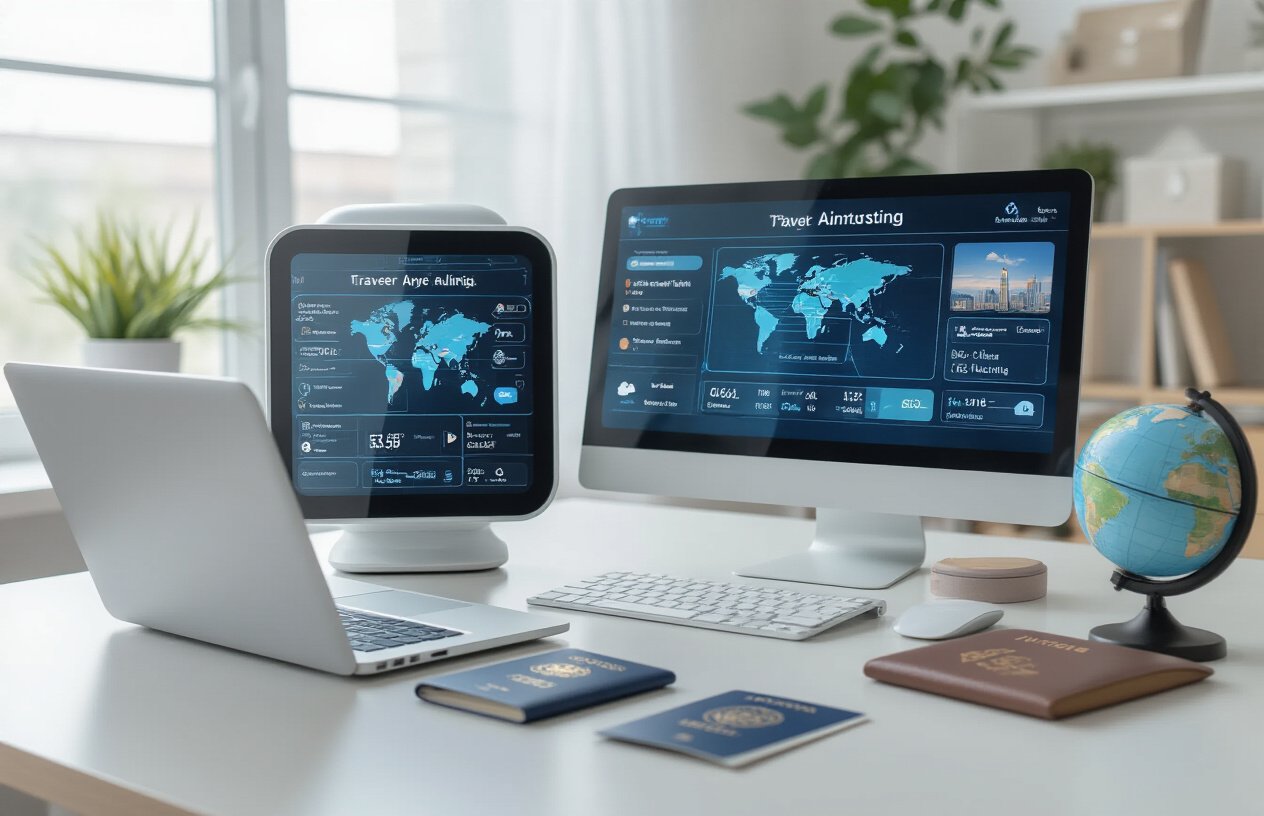
What AI travel agents can do that traditional methods cannot
Gone are the days when travel planning meant juggling dozens of browser tabs, comparing prices across multiple websites, and spending hours cross-referencing flight times with hotel availability. AI travel agents represent a complete shift in how we approach trip planning. Unlike traditional booking sites that require you to input every preference and manually filter through thousands of options, these intelligent systems understand context, learn from your choices, and make connections you might miss.
The biggest advantage lies in their ability to process massive amounts of data instantly. While you might check five airlines and ten hotels, AI agents scan hundreds of options across multiple platforms simultaneously, comparing not just prices but also reviews, amenities, location scores, and weather patterns. They can spot deals that human eyes would never catch, like a hotel offering a flash promotion or an airline with a pricing error in your favor.
AI agents also excel at understanding relationships between different travel components. They know that booking a flight departure at 6 AM means you’ll need a hotel near the airport the night before, or that choosing a resort in a specific area might conflict with your planned activities. This contextual awareness prevents the common mistakes that cost travelers time and money.
Layla’s specialized travel booking capabilities
Layla stands out as a dedicated travel-focused AI agent that treats trip planning like a personal concierge service. Her strength lies in understanding natural language preferences and translating them into actionable booking decisions. You can tell Layla “I want somewhere warm with great food and not too touristy” and she’ll interpret those preferences across multiple categories – climate data, restaurant ratings, crowd density metrics, and local culture indicators.
Her booking capabilities extend beyond simple reservations. Layla can secure complex itineraries that include flights with specific layover requirements, hotels with particular amenities, and ground transportation that aligns with your arrival times. She maintains awareness of cancellation policies, travel insurance options, and visa requirements, presenting you with complete packages rather than isolated bookings.
What makes Layla particularly valuable is her ability to negotiate and find upgrades. She can identify when hotels have availability in higher-tier rooms at marginal cost increases, or when airlines offer seat upgrades at check-in time. Her real-time monitoring capabilities mean she can rebook you on better flights if prices drop or availability opens up, even after your initial booking.
Google’s comprehensive search and recommendation power
Google brings an entirely different set of strengths to AI travel planning through its vast ecosystem of data sources and search capabilities. The platform leverages information from Google Maps, Google Reviews, YouTube travel videos, Google Flights, and millions of indexed web pages to create comprehensive destination profiles that no human planner could match.
Google’s recommendation engine analyzes patterns from millions of travelers to suggest experiences tailored to your specific interests. It can identify that people who enjoy the restaurants you typically rate highly also tend to love certain neighborhoods in your destination city. This collaborative filtering approach reveals hidden gems that traditional guidebooks miss.
The search capabilities extend to real-time information that can make or break a trip. Google knows which museums are temporarily closed, which restaurants have changed their hours, which areas are experiencing construction delays, and which events are happening during your visit. This dynamic information layer ensures your plans remain viable from booking through execution.
Google’s integration with local services also provides seamless transitions from planning to experiencing. Restaurant reservations, activity bookings, and local transportation can all be arranged through connected services, creating a unified travel experience.
How these agents work together seamlessly
The magic happens when Layla and Google collaborate, creating a planning powerhouse that combines specialized booking expertise with comprehensive information access. Layla handles the transactional heavy lifting – finding flights, securing accommodations, and managing reservations – while Google provides the contextual intelligence that makes those bookings smart choices.
Their collaboration follows a natural workflow where Google identifies and validates opportunities while Layla executes the bookings. For example, Google might identify that a particular neighborhood offers the best combination of restaurants, nightlife, and cultural attractions for your preferences. Layla then searches for accommodations in that specific area, cross-referencing availability with your travel dates and budget constraints.
The agents share information bidirectionally, creating feedback loops that improve recommendations. When Layla encounters pricing or availability constraints, she communicates those limitations back to Google, which then adjusts its suggestions accordingly. This dynamic interaction prevents the common scenario where you fall in love with a destination recommendation only to discover it’s completely booked or prohibitively expensive.
Real-time coordination allows these agents to adapt your plans as conditions change. If weather forecasts shift or local events impact your original itinerary, both agents work together to identify alternatives and implement changes without requiring your constant oversight. This collaborative approach transforms travel planning from a static, front-loaded process into a dynamic, responsive system that continues optimizing your experience throughout your trip.
The 20-Minute Holiday Booking Challenge: Step-by-Step Breakdown

Setting clear travel preferences and budget parameters
First things first – garbage in, garbage out. Your AI agents need crystal clear direction to work their magic. I started by feeding Layla my non-negotiables: travel dates (December 15-22), budget cap ($2,500 for two people), departure city (Chicago), and my must-haves versus nice-to-haves.
The key here is being specific without being rigid. Instead of saying “somewhere warm and cheap,” I told the AI: “Beach destination, 75°F minimum, direct flights preferred, 4-star accommodation, cultural activities available.” This precision lets the AI eliminate thousands of irrelevant options immediately.
Google’s AI assistant helped refine these parameters by asking smart follow-up questions I hadn’t considered: “Do you prefer all-inclusive resorts or exploring local restaurants?” and “Are you flexible with exact departure dates for better pricing?” These clarifications saved me from booking something that looked perfect on paper but wouldn’t match my actual preferences.
Real-time destination research and flight comparison
Watch this part – it’s where AI truly shines. While I sipped my morning coffee, Layla simultaneously scanned flight prices across 15 potential destinations, cross-referenced weather patterns, checked visa requirements, and pulled up recent traveler reviews. This parallel processing would have taken me hours of tab-juggling and note-taking.
The AI presented three destination options with complete flight breakdowns:
- Cancun: $680/person, 4.5-hour direct flight, 82°F average
- Costa Rica: $750/person, one stop, 78°F average, eco-adventures
- Bahamas: $590/person, direct flight, 79°F average, closer to home
Each option came with real-time price tracking and alternative date suggestions. Google’s AI even flagged that shifting my departure by one day would save $180 total – something I never would have thought to check manually.
Instant hotel recommendations and availability checks
Here’s where traditional planning gets messy – endless hotel comparison sites, fake reviews, and that nagging worry you’re missing something better. The AI agents cut through this noise by analyzing my stated preferences against thousands of properties simultaneously.
Layla filtered hotels based on my criteria: beachfront location, pool, good WiFi for some light work, and breakfast included. Within seconds, I had five properties ranked by value, each with verified recent reviews, actual room availability for my dates, and total cost breakdowns including taxes and fees.
The AI went deeper than basic booking sites by checking things like:
- Recent renovation dates
- Staff language capabilities
- Distance to activities I’d expressed interest in
- Cancellation policies that matched my risk tolerance
Google’s assistant cross-referenced these recommendations with local insights, flagging that one highly-rated resort was currently undergoing pool renovations – information buried in fine print that would have ruined my vacation.
Activity planning and local experience suggestions
This section impressed me most. Instead of generic “top 10 things to do” lists, the AI curated activities based on my actual interests and energy levels. I’d mentioned loving food tours and being moderately active, so it suggested a cooking class with a local family, snorkeling at less crowded spots, and a guided market tour.
The AI agents coordinated timing perfectly – morning activities when I’m most energetic, afternoon beach time during peak heat, and dinner reservations at restaurants that matched my budget and dietary preferences. They even checked operating hours and seasonal availability, eliminating the disappointment of showing up to closed attractions.
Each suggestion came with honest pros and cons, booking requirements, and backup options if weather didn’t cooperate. The level of personalization felt like having a local friend plan my entire trip.
Final booking confirmation and itinerary compilation
The final five minutes involved rapid-fire confirmations. Both AI agents had kept all my preferred options on hold while I reviewed everything. With my approval, they executed the bookings in sequence: flights first (to lock in dates), then accommodation, followed by the cooking class that had limited availability.
The AI generated a comprehensive itinerary document with confirmation numbers, contact information, check-in times, and even suggested packing lists based on my destination’s weather forecast. Emergency contacts, local customs tips, and currency exchange information rounded out the package.
Most impressive was the AI’s proactive planning – it had already identified potential flight delays based on historical data and suggested earlier departures for any activities that required advance arrival. This foresight saved me from potential vacation stress before it even started.
Comparing Traditional vs AI-Powered Trip Planning Methods

Time investment: Hours versus minutes
Planning a holiday the old-fashioned way feels like a part-time job. You’ll spend entire evenings browsing flight comparison sites, opening dozens of tabs for different hotels, cross-referencing dates and prices, and diving deep into TripAdvisor reviews until your eyes water. Most people dedicate 8-15 hours spread across multiple days just to book a week-long vacation.
| Traditional Planning | AI-Powered Planning |
|---|---|
| 8-15 hours over several days | 15-30 minutes in one session |
| Manual research across multiple sites | Automated cross-platform searching |
| Constant switching between tabs | Single conversation interface |
| Decision fatigue from endless options | Curated recommendations |
AI agents like Layla and Google’s travel tools flip this script completely. They process thousands of options simultaneously, filtering through availability, pricing, and preferences in seconds rather than hours. While you sip your morning coffee, these agents can evaluate flight routes, hotel amenities, restaurant options, and local activities that would take you half a weekend to research manually.
The speed advantage isn’t just about convenience – it’s about capturing better deals. Flight prices and hotel availability change constantly. By the time you finish your traditional research marathon, those great deals you bookmarked on day one might be gone.
Cost efficiency and deal-finding capabilities
Here’s where AI agents really shine: they never get tired of hunting for bargains. Traditional trip planning means you’re competing against algorithms with your human attention span and limited time. You might check a few booking sites, maybe set up a price alert, and call it good enough.
AI agents work differently. They continuously monitor pricing patterns, seasonal trends, and flash sales across hundreds of platforms simultaneously. Layla, for example, can spot when airlines typically drop prices for specific routes and recommend optimal booking windows. Google’s travel AI learns from millions of booking patterns to predict when you should book versus wait for better prices.
Traditional deal-hunting limitations:
- Limited to 3-5 booking sites you know
- Miss flash sales happening outside your research hours
- Can’t process complex multi-city routing options
- Prone to booking panic when prices seem to fluctuate
AI advantages:
- Access to real-time data from 100+ booking platforms
- Pattern recognition for seasonal pricing trends
- Instant bundling calculations for flights + hotels
- Dynamic rebooking suggestions when better deals appear
The money-saving potential is substantial. AI agents regularly find combination deals and routing options that human planners miss. They might discover that flying into a nearby city and taking ground transport saves $200, or that extending your trip by one day unlocks significantly cheaper rates.
Personalization accuracy and preference matching
Traditional planning relies on your ability to remember and articulate all your preferences while manually filtering options. You might forget to check if your hotel has a gym, or spend time looking at restaurants that don’t match your dietary restrictions. The process becomes a game of “hope I didn’t miss anything important.”
AI agents build detailed preference profiles that improve with each interaction. They remember that you always book aisle seats, prefer hotels within walking distance of city centers, avoid early morning flights, and need vegetarian restaurant options. This memory works across multiple trips, creating a personalized travel assistant that knows your style better than most travel agents.
Personal preference tracking:
- Budget ranges for different trip types
- Accommodation preferences (amenities, location, style)
- Transportation preferences (airlines, seat types, connection limits)
- Activity interests and physical limitations
- Dietary restrictions and cuisine preferences
- Past booking patterns and satisfaction ratings
The accuracy improves dramatically over time. While traditional planning means starting from scratch each trip, AI agents learn from your choices and feedback. They notice you consistently choose boutique hotels over chains, or that you prefer afternoon flights for international travel. This learning eliminates the repetitive research that makes trip planning feel like groundhog day.
Smart AI systems also cross-reference your preferences with real-time data like weather patterns, local events, and seasonal considerations you might not think to check.
Maximizing Your AI Travel Planning Success
Essential information to prepare before starting
Your AI agents work best when you feed them the right details upfront. Start by gathering your travel dates, budget range, and preferred departure/arrival airports. Know your travel party size and any special requirements like dietary restrictions, accessibility needs, or age considerations for children or elderly travelers.
Create a wish list of experiences you want – beach relaxation, cultural sites, adventure activities, or food tours. This helps AI agents understand your travel personality and suggest relevant options. Also prepare your passport expiration dates, visa requirements for your destination, and any travel insurance preferences.
Don’t forget practical details like your preferred flight times (morning vs. evening departures), accommodation style (hotel chains vs. boutique properties), and transportation preferences (rental cars vs. public transit). The more specific you are about deal-breakers – like “no red-eye flights” or “must have hotel gym” – the better your results will be.
How to communicate effectively with AI agents
Speak to AI agents like you would to a knowledgeable travel advisor friend. Use natural language and be conversational, but include specific details. Instead of saying “find me a nice hotel,” try “I need a 4-star hotel in downtown Barcelona with a rooftop pool, under $200 per night, walking distance to Las Ramblas.”
Ask follow-up questions to refine results. If the first suggestions don’t match your vision, explain what’s missing: “These options are too expensive” or “I prefer something more modern” or “Can you find alternatives closer to the beach?” AI agents learn from your feedback and adjust their recommendations accordingly.
Use comparative language to guide preferences: “I liked Hotel A’s location but prefer Hotel B’s amenities – find something that combines both.” Share context about your trip purpose – romantic getaway, family vacation, business travel – since this dramatically changes what constitutes ideal recommendations.
Break complex requests into smaller chunks. Instead of asking for an entire itinerary at once, start with flights, then accommodations, then activities. This prevents information overload and lets you course-correct early if the AI misunderstands your preferences.
Quality control checks for AI-generated recommendations
Never book without verifying key details independently. Cross-check flight times, dates, and prices on airline websites or travel comparison sites like Kayak or Google Flights. AI agents sometimes pull outdated pricing or miss important flight details like layover durations or terminal changes.
For accommodations, read recent reviews on TripAdvisor, Booking.com, or Google Reviews. Look specifically for mentions of construction, renovation, or seasonal closures that might affect your stay. Check the hotel’s official website for current amenities and policies – AI agents might reference old information about pools, restaurants, or pet policies.
Verify activity availability and operating hours, especially for seasonal attractions or tours. Many tourist activities have different schedules during peak vs. off-season, or might be closed for maintenance during your travel dates. Double-check cancellation policies for all bookings since AI agents don’t always highlight the fine print.
Review your complete itinerary for logical flow and realistic timing. Make sure you have reasonable travel time between activities, and that your schedule isn’t packed too tightly. AI agents sometimes optimize for fitting maximum experiences without considering fatigue or unexpected delays.
Backup planning strategies for peace of mind
Create a Plan B for your most important bookings. Research alternative flights with similar departure times and prices in case your original booking gets canceled. Identify backup hotels in the same area and price range, ideally with flexible cancellation policies.
Download offline maps and key contact information before traveling. Save confirmation numbers, hotel addresses, and emergency contacts in your phone’s notes app. Screenshot important details like boarding passes and hotel confirmations in case you lose internet access.
Keep a list of must-do activities versus nice-to-have experiences. If weather or unexpected closures disrupt your plans, you’ll know which items are worth rescheduling versus skipping. Research indoor alternatives for outdoor activities in case of bad weather.
Consider travel insurance for expensive trips, especially international travel or during peak seasons when rebooking costs are highest. Set up account alerts for flight changes, and familiarize yourself with airline rebooking policies before you need them.
Build buffer time into your schedule for unexpected discoveries or delays. The best travel experiences often come from spontaneous detours that rigid itineraries don’t allow. Leave room for serendipity while maintaining your core travel objectives.

AI travel planning just changed everything about how we book trips. Those hours spent comparing flights, reading hotel reviews, and mapping out itineraries are now a thing of the past. With Layla and Google’s AI agents working together, what used to take entire weekends can happen during your lunch break.
The results speak for themselves – a complete holiday booked in 20 minutes with better deals and smarter recommendations than most people find after days of research. Your weekends are too valuable to spend wrestling with booking sites and drowning in endless options. Give AI agents a try for your next trip and reclaim that time for what really matters: actually enjoying your vacation instead of just planning it.