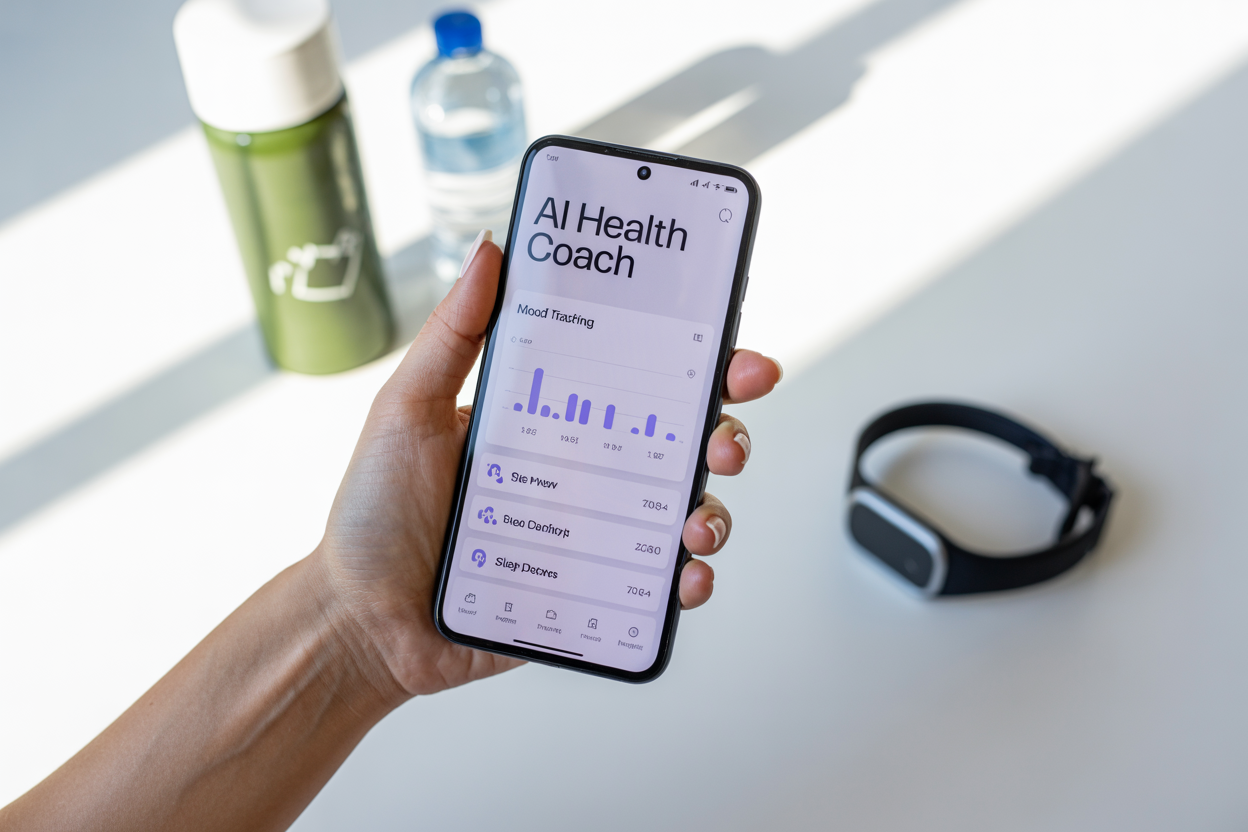
Struggling with sleep problems, inconsistent workouts, and feeling stuck in unhealthy patterns? Your new AI health coach might be the game-changer you’ve been waiting for. This simple app learns your mood patterns to automatically adjust your sleep and fitness habits, creating a personalized wellness routine that actually sticks.
This guide is for busy professionals, parents, and anyone who’s tried traditional health apps but found them too rigid or generic. You’ll discover how mood tracking features can finally give you insights that work, plus learn the exact setup process to get your AI health coach working at its best from day one.
We’ll walk through how intelligent mood analysis transforms your sleep quality and explore fitness routines that adapt when you’re stressed, tired, or energized. By the end, you’ll know how to measure real progress and build lasting health improvements that fit your actual life.
How AI Health Coaching Transforms Your Daily Wellness Routine
Understanding mood-based health tracking technology
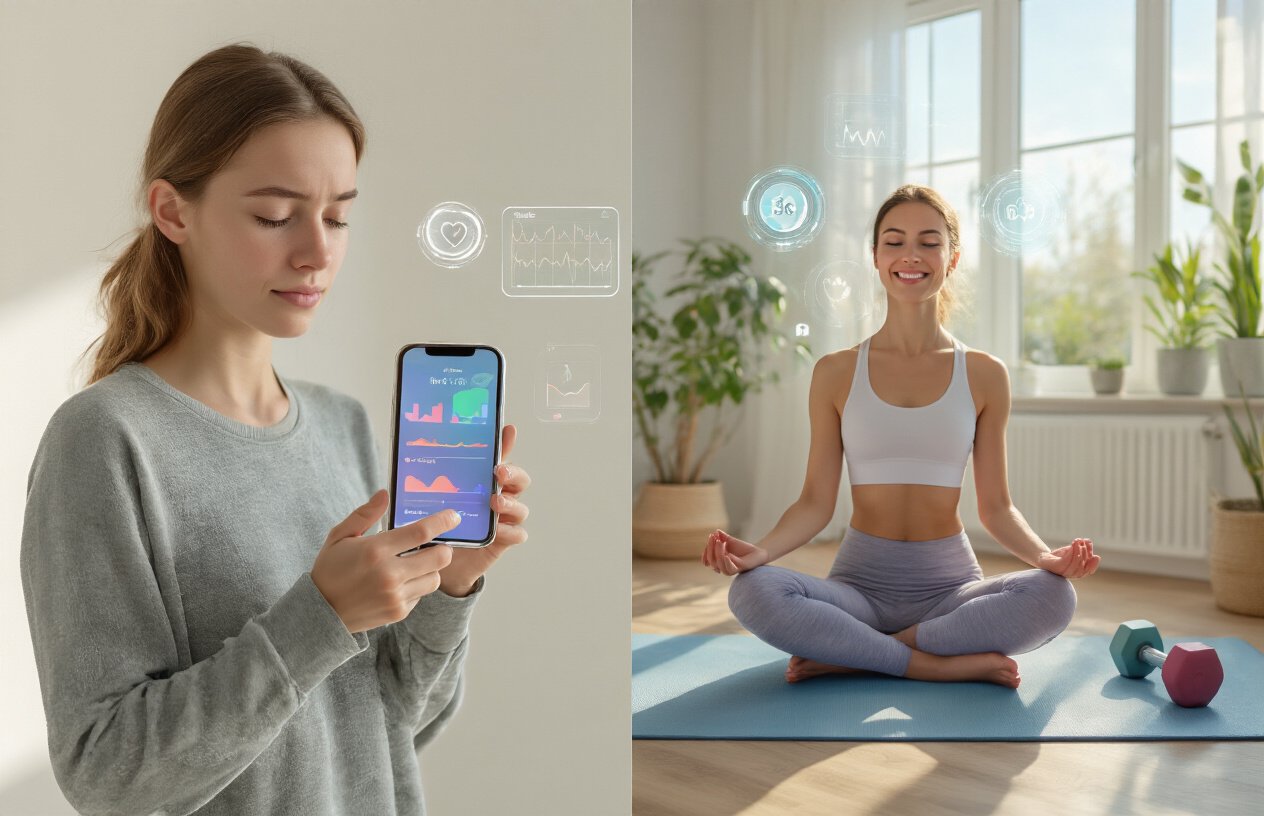
Modern AI health apps go way beyond counting steps or tracking calories. They’re designed to recognize patterns between your emotional state and physical behaviors, creating a complete picture of your wellness. These systems monitor subtle changes in how you interact with your phone—typing patterns, voice tone when using voice commands, and even how long you spend on different activities.
The technology works by collecting data points from multiple sources. Your phone’s sensors track movement patterns, sleep quality gets measured through accelerometer data, and mood inputs come from quick daily check-ins. Advanced algorithms then analyze this information to spot connections you might never notice yourself.
What makes this approach powerful is how it captures the full spectrum of health factors. Traditional fitness trackers focus on physical metrics, but mood-based systems understand that your mental state drives everything else. When you’re stressed, you might skip workouts or stay up late scrolling social media. When you’re energized and happy, you naturally make better choices.
These apps learn your unique patterns over time. They discover whether you exercise better in the morning when you’re optimistic or if your sleep quality improves when you’ve had a particularly good day. The technology adapts to your lifestyle instead of forcing you into generic health recommendations.
The science behind personalized AI recommendations
Artificial intelligence in health coaching relies on machine learning algorithms that analyze thousands of data points to create recommendations tailored specifically to your patterns. The system studies correlations between your mood fluctuations and health behaviors, identifying which factors most strongly predict your wellness outcomes.
Research in behavioral psychology shows that mood significantly impacts motivation, decision-making, and habit formation. AI health coaches leverage this knowledge by timing their suggestions based on your emotional readiness. When the system detects you’re feeling motivated, it might suggest a challenging workout. During low-energy periods, it recommends gentler activities or focuses on recovery.
The personalization goes deeper than simple if-then rules. Machine learning models consider dozens of variables simultaneously:
- Circadian rhythm patterns and how they align with your mood cycles
- Environmental factors like weather, season, and location
- Social context including work stress and relationship dynamics
- Physical indicators such as heart rate variability and sleep stages
- Historical success rates of different interventions based on your past responses
These algorithms continuously refine their understanding of what works for you. They learn which types of encouragement resonate, what time of day you respond best to fitness suggestions, and how to adjust goals during particularly challenging periods.
Real-time adaptation to your lifestyle changes
Your AI health coach doesn’t just set static goals—it constantly adjusts to reflect what’s actually happening in your life. When you’re dealing with a busy work period, traveling, or going through personal challenges, the system automatically recalibrates its expectations and suggestions.
This adaptive capability shows up in practical ways throughout your day. If you log feeling overwhelmed in the morning, your coach might shift from recommending an intense workout to suggesting a short walk or breathing exercise. When you report feeling energetic after a good night’s sleep, it could propose tackling that fitness goal you’ve been putting off.
The system tracks lifestyle changes across different timeframes:
| Timeframe | Adaptation Examples |
|---|---|
| Daily | Adjusting workout intensity based on mood and energy levels |
| Weekly | Recognizing patterns like “Sunday blues” and preemptively offering support |
| Monthly | Identifying seasonal mood shifts and modifying sleep recommendations |
| Quarterly | Updating long-term goals based on major life changes or progress |
Real-time adaptation also means your health coach evolves as you do. Maybe you start as someone who hates morning workouts, but over time, the system notices you’re becoming more of an early bird. It gradually shifts its recommendations to match your changing preferences, ensuring the advice stays relevant and achievable.
The technology excels at recognizing when life throws curveballs. During illness, stress, or major transitions, it automatically scales back expectations while maintaining momentum toward your bigger health goals.
Mood Tracking Features That Actually Work
Smart emotion detection through daily check-ins
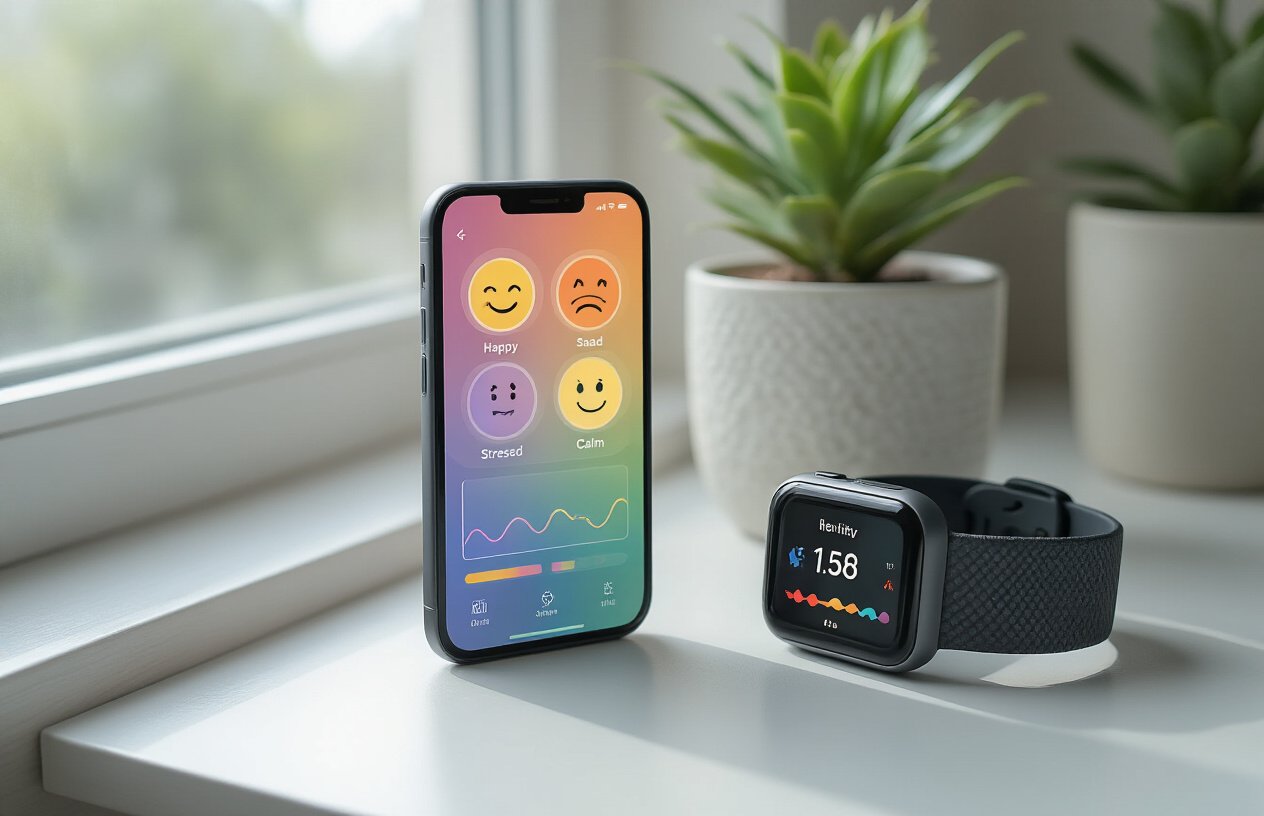
Modern AI health apps have moved beyond basic mood sliders to sophisticated emotion detection systems that actually understand the complexity of human feelings. The best platforms use multi-layered check-ins that capture not just what you’re feeling, but the intensity and context behind those emotions.
These smart systems present you with intuitive visual scales, emoji-based selections, and contextual prompts that adapt based on your previous responses. Instead of forcing you into rigid categories like “happy” or “sad,” they recognize emotional nuances like feeling energetically anxious versus calmly focused. The AI learns your unique emotional vocabulary over time, making each check-in more accurate and personalized.
What makes these systems particularly effective is their timing intelligence. Rather than bombarding you with random notifications, they learn when you’re most receptive to sharing emotional data – perhaps during your morning coffee routine or evening wind-down period.
Pattern recognition across sleep, stress, and energy levels
The real magic happens when your AI health coach starts connecting the dots between your emotional states and physical well-being. Advanced pattern recognition algorithms analyze weeks and months of data to uncover relationships you might never notice on your own.
Your app might discover that your energy crashes every Tuesday afternoon correlate with poor sleep quality on Monday nights, which often follow stressful Sunday evenings. Or it could identify that your motivation for exercise peaks on days when you report feeling grateful during morning check-ins.
These insights go beyond simple correlations. Machine learning models identify complex, multi-variable relationships that account for external factors like weather, work schedules, and social interactions. The system builds a comprehensive picture of how your emotional landscape influences and responds to your physical health patterns.
| Pattern Type | Example Discovery | Actionable Insight |
|---|---|---|
| Sleep-Mood | Anxiety spikes after <6 hours sleep | Earlier bedtime on high-stress days |
| Energy-Exercise | Low motivation follows social conflicts | Schedule solo workouts after difficult conversations |
| Stress-Recovery | Weekend mood dips predict Monday fatigue | Implement Sunday evening relaxation rituals |
Automatic correlation between mood and physical symptoms
Your AI health coach excels at spotting connections between emotional states and physical symptoms that traditional health tracking misses. The system automatically analyzes correlations between your mood reports and physical indicators like heart rate variability, step count, and sleep quality metrics.
When you report feeling irritable, the app checks if this coincides with elevated resting heart rate or disrupted sleep patterns from your wearable device. It might notice that headaches you log consistently appear on days when you report high stress combined with low water intake.
The AI becomes particularly valuable in identifying early warning signs. It might detect that your reported anxiety levels typically spike two days before you experience digestive issues, giving you a heads-up to implement preventive measures. This predictive capability transforms reactive health management into proactive wellness planning.
The system also recognizes positive correlations, highlighting when certain emotional states coincide with physical improvements. You might discover that days when you feel creatively inspired often align with better sleep recovery scores and increased daily movement.
Privacy-first data collection methods
Top-tier AI health coaches prioritize data protection through advanced privacy technologies that keep your sensitive health information secure while still providing personalized insights. These apps use local processing whenever possible, meaning your emotional data gets analyzed on your device rather than transmitted to external servers.
Edge computing allows the AI to learn your patterns without exposing raw data to third parties. When cloud processing is necessary for complex analysis, the best apps employ federated learning techniques that contribute to model improvements without sharing individual user data.
Data encryption isn’t just a checkbox feature – it’s built into every layer of the system. Your mood entries, correlation data, and personal insights get encrypted both in transit and at rest. Many leading apps also offer data portability options, letting you export your information if you decide to switch platforms.
Transparent consent processes ensure you understand exactly what data gets collected and how it’s used. You maintain granular control over sharing preferences, with options to participate in anonymized research or keep your data completely private. Regular security audits and compliance with healthcare privacy regulations like HIPAA provide additional protection layers for your sensitive wellness information.
Sleep Optimization Through Intelligent Mood Analysis
Identifying emotional triggers that disrupt sleep quality
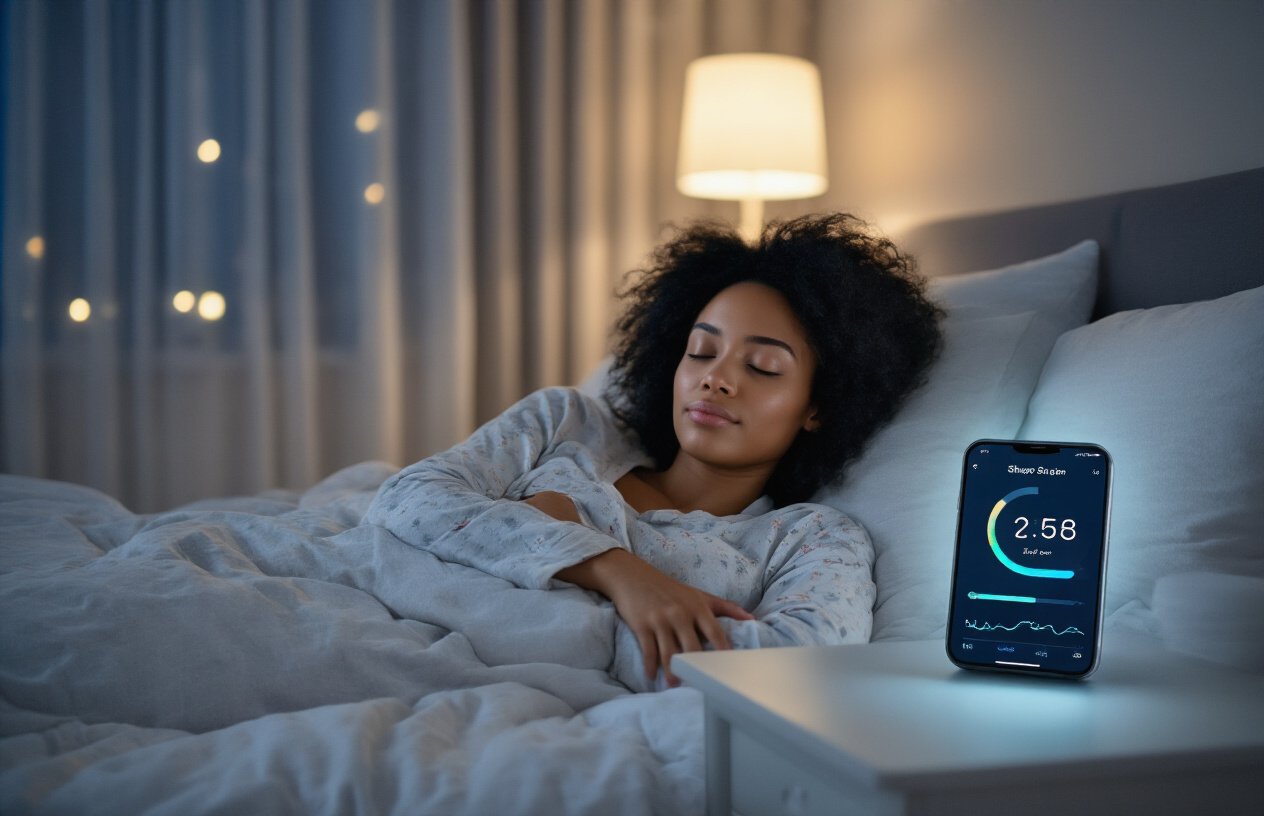
Your AI health coach acts like a detective, connecting the dots between your daytime emotions and nighttime sleep struggles. The app tracks patterns in your mood data to spot emotional triggers that mess with your sleep. Maybe you notice that days filled with work anxiety lead to tossing and turning, or perhaps social stress from family gatherings keeps your mind racing at bedtime.
The system analyzes your mood entries alongside sleep quality metrics to create a personalized trigger map. You might discover that frustration peaks around 3 PM consistently correlate with poor sleep that night, or that feelings of overwhelm on Sundays predict restless Monday mornings. This emotional awareness gives you the power to address issues before they hijack your sleep.
Personalized bedtime routines based on daily stress patterns
Your AI coach creates custom bedtime routines that adapt to your specific stress signature. On high-anxiety days, it might recommend a longer wind-down period with guided meditation or breathing exercises. After emotionally draining days, the app could suggest gentle stretching or journaling to process your feelings.
The system learns which calming activities work best for different emotional states. If anger tends to keep you awake, your coach might prioritize progressive muscle relaxation. For sadness-heavy days, it could recommend gratitude practices or soothing music. These aren’t generic suggestions – they’re based on what actually helped you sleep better in similar emotional circumstances.
Smart wake-up timing aligned with your mood cycles
Your AI health coach discovers your natural mood rhythms and optimizes wake-up times accordingly. The app identifies when you typically feel most positive and alert, then suggests sleep schedules that protect these peak mood windows. If you’re naturally happiest between 10 AM and 2 PM, it works backward to find the ideal bedtime and wake-up time.
The system also recognizes mood dips that signal sleep debt or circadian misalignment. When your mood data shows consistent afternoon crashes or morning irritability, the coach adjusts your sleep timing to restore balance. This creates a positive feedback loop where better-timed sleep improves your mood, which then supports even better sleep quality.
Environmental adjustments recommended by AI analysis
Based on your mood patterns and sleep data, your AI coach suggests specific environmental changes. If your mood tracking reveals that bright mornings improve your emotional state, it might recommend sunrise alarm clocks or automatic blinds. For people whose stress levels correlate with temperature sensitivity, the app suggests optimal bedroom temperatures.
The coach considers your emotional triggers when making environmental recommendations. If noise sensitivity spikes during stressful periods, it prioritizes white noise machines or earplugs. When your mood data shows light sensitivity during anxious phases, the app recommends blackout curtains or eye masks. These suggestions aren’t random – they’re tailored responses to your unique emotional-environmental connections.
Fitness Habits That Adapt to Your Mental State
Workout Intensity Matching Your Energy and Motivation Levels
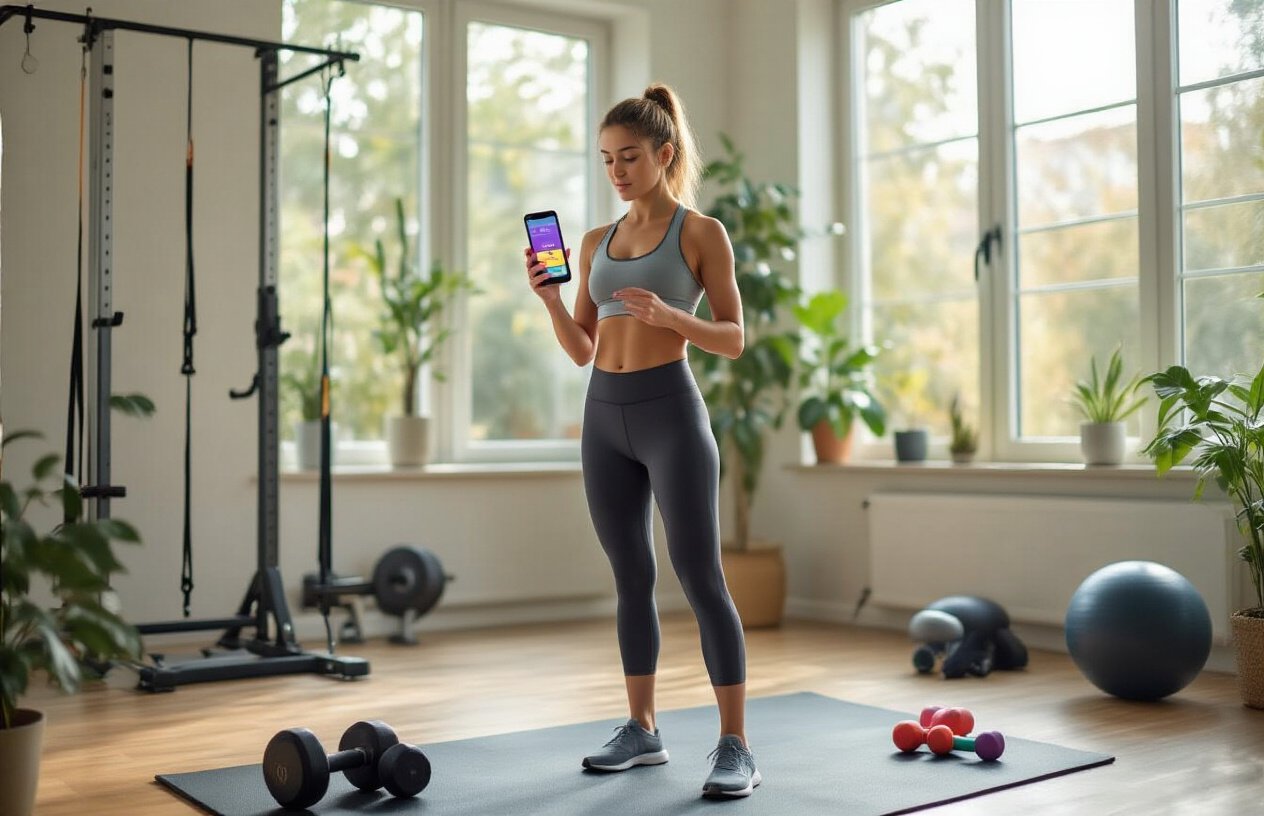
Your AI health coach analyzes your daily mood patterns to determine the perfect workout intensity that matches your mental and physical state. When you’re feeling energized and motivated, the app suggests high-intensity interval training or challenging strength sessions. On days when stress levels are high or you’re feeling emotionally drained, it automatically scales down to gentle yoga flows or light cardio sessions.
The system tracks your heart rate variability, sleep quality, and mood check-ins to create a dynamic fitness plan. If you logged low energy that morning but your biometrics show improved stress markers, the AI might recommend a moderate workout with optional intensity boosts. This prevents burnout while keeping you moving consistently.
Smart intensity matching means no more forcing yourself through brutal workouts when you’re mentally exhausted, or settling for easy sessions when you’re ready to crush your goals. The app learns your personal patterns – maybe you’re always pumped on Monday mornings but need gentler movement on Friday afternoons.
Exercise Type Recommendations Based on Current Mood
Different emotional states call for different types of movement, and your AI coach understands this connection perfectly. When you’re anxious or overwhelmed, it suggests grounding exercises like tai chi, swimming, or nature walks that calm your nervous system. Feeling frustrated or angry? The app recommends boxing workouts, sprinting, or heavy lifting to channel that energy productively.
For sadness or low mood days, the AI typically suggests endorphin-boosting activities like dancing, group fitness classes, or outdoor runs. When you’re feeling creative and energetic, it might propose new workout styles or challenging routines you haven’t tried before.
| Mood State | Recommended Exercise Types | Duration |
|---|---|---|
| Stressed/Anxious | Yoga, walking, swimming | 30-45 min |
| Low Energy | Gentle stretching, restorative yoga | 15-30 min |
| Angry/Frustrated | HIIT, boxing, strength training | 20-40 min |
| Happy/Energetic | Dance, sports, challenging workouts | 45-60 min |
| Sad/Down | Light cardio, group classes | 30-45 min |
The recommendations evolve as the AI learns what works best for your unique emotional patterns and preferences.
Recovery Scheduling Aligned with Emotional Wellness Needs
Recovery isn’t just about physical rest – your emotional state plays a huge role in how well your body repairs itself. The AI coach schedules recovery days based on both your physical workout load and your mental stress levels. After emotionally challenging periods, even if your muscles feel fine, the app might recommend extra recovery time.
Active recovery suggestions change based on your mood too. When you’re feeling social and upbeat, it might suggest a gentle group walk or partner stretching. During introspective periods, the focus shifts to solo activities like meditation, foam rolling, or quiet nature walks.
The app also recognizes when emotional stress is impacting sleep quality and automatically adjusts your training schedule. Poor sleep from anxiety or work stress triggers modified recovery protocols with emphasis on stress-reducing activities rather than physical restoration alone. This holistic approach ensures you’re recovering mentally and physically, leading to better long-term fitness results and improved overall wellbeing.
Setting Up Your AI Health Coach for Maximum Results

Initial Onboarding and Mood Baseline Establishment
Your AI health coach needs to understand your unique emotional patterns before it can provide meaningful insights. The onboarding process typically takes 5-7 days and involves consistent mood logging at different times throughout the day. During this period, record your mood immediately after waking up, during midday, and before bedtime using the app’s simple emotion scale.
The baseline establishment goes beyond basic happy-sad ratings. Most effective AI coaches use a multi-dimensional approach that captures energy levels, stress intensity, sleep quality, and physical discomfort. This creates a comprehensive emotional fingerprint that becomes the foundation for all future recommendations.
Pay attention to external factors during your first week. Note whether you exercised that day, what you ate, work stress levels, and any significant life events. This contextual data helps the AI understand what influences your mood patterns most significantly.
Customizing Notification Preferences and Check-In Frequency
Smart notification timing can make or break your experience with an AI health coach. Start with gentle reminders every 4-6 hours and adjust based on your natural rhythm. Many users find that morning check-ins work best around 30 minutes after waking, when cortisol levels have stabilized but before the day’s stress accumulates.
Avoid notification fatigue by customizing the tone and frequency. If you’re naturally forgetful, opt for more frequent but shorter check-ins. Goal-oriented personalities often prefer detailed evening reviews combined with brief morning intention-setting prompts.
Consider your phone usage patterns when setting preferences. If you’re constantly checking your device, subtle badge notifications work well. For people who maintain strict phone boundaries, scheduled push notifications at specific times prove more effective.
Integrating with Existing Health Apps and Wearable Devices
Seamless data integration multiplies your AI coach’s effectiveness exponentially. Connect your fitness tracker, sleep monitor, and nutrition apps during the initial setup to create a complete health picture. Most platforms support Apple Health, Google Fit, Fitbit, and popular apps like MyFitnessPal.
Sleep data proves particularly valuable for mood correlation analysis. When your AI coach can see that you had restless sleep with multiple wake-ups, it can adjust expectations for your mood and energy recommendations accordingly. Heart rate variability data adds another layer of insight into your stress responses and recovery patterns.
Nutrition integration helps identify food-mood connections you might never notice on your own. That afternoon energy crash might correlate with your lunch choices, something an AI can spot across weeks of data while you’re focused on daily activities.
Fine-Tuning AI Recommendations Through User Feedback
Your AI coach learns best through honest, specific feedback about recommendation effectiveness. When the app suggests a 10-minute meditation and you feel significantly better afterward, rate it highly and add notes about why it worked. If a recommended bedtime feels too early or too late, adjust it gradually and communicate the results.
The feedback loop works both ways. Rate unsuccessful recommendations just as thoroughly as successful ones. If a suggested workout felt too intense for your current mood, specify whether it was the duration, intensity, or timing that felt off. This granular feedback trains the AI to recognize subtle patterns in your preferences.
Track recommendation patterns over time. You might notice that breathing exercises work better for work-related stress while physical movement helps with relationship anxiety. Share these observations with your AI coach through the feedback system to accelerate its learning curve about your unique stress response patterns.
Measuring Progress and Long-term Health Improvements
Tracking mood stability over weeks and months
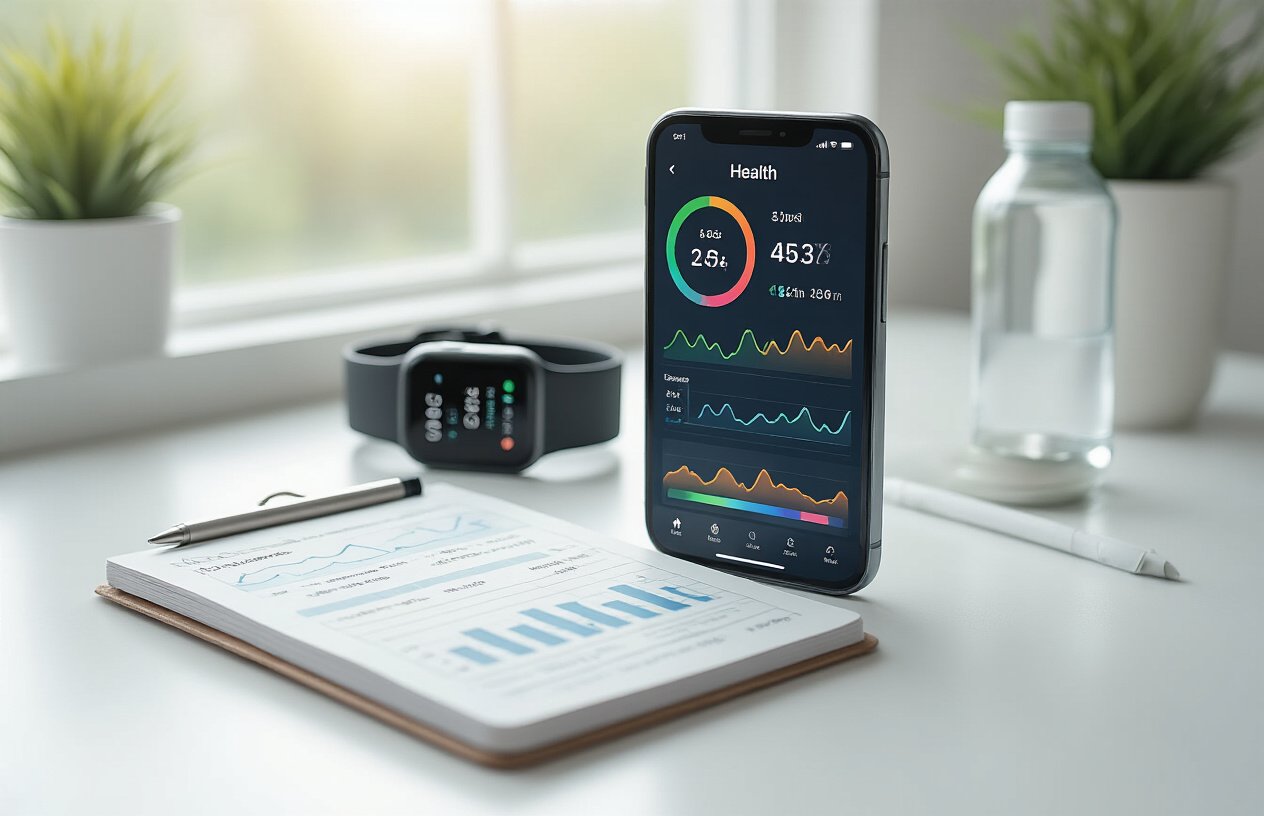
Your AI health coach creates detailed mood patterns by analyzing daily check-ins, sleep data, and activity levels. After just two weeks, you’ll start seeing clear trends emerge. The app identifies your personal mood baselines and flags unusual patterns that might signal stress, hormonal changes, or environmental factors affecting your mental state.
The weekly mood reports show your emotional highs and lows plotted against external factors like weather, work schedules, and social activities. Monthly summaries reveal deeper patterns – maybe you consistently feel more anxious during the first week of each month, or your energy dips every Tuesday. These insights help you prepare for predictable mood changes and adjust your routine accordingly.
The app’s intelligent algorithms distinguish between normal mood fluctuations and concerning trends. If your anxiety levels spike for three consecutive weeks or your motivation scores drop significantly, the system sends gentle alerts suggesting specific interventions or recommending professional support when needed.
Quantifying sleep quality improvements through data trends
Sleep metrics go beyond simple duration tracking. Your AI coach analyzes sleep efficiency, REM cycles, and wake-up frequency to create comprehensive sleep quality scores. The magic happens when these numbers connect with your mood data – revealing how emotional state directly impacts rest quality.
| Metric | Week 1 Average | Month 3 Average | Improvement |
|---|---|---|---|
| Sleep Efficiency | 72% | 87% | +15% |
| Deep Sleep Duration | 45 minutes | 78 minutes | +73% |
| Morning Mood Score | 6.2/10 | 8.1/10 | +31% |
The app tracks sleep debt accumulation and shows how mood-based bedtime adjustments affect recovery. When you’re stressed, it might recommend earlier bedtimes or specific relaxation techniques. Over time, you’ll see how these personalized interventions improve your overall sleep architecture.
Sleep trend analysis reveals your optimal sleep windows. Maybe you sleep best when going to bed between 9:45-10:15 PM on days when your afternoon mood dips below a certain threshold. These granular insights create a feedback loop where better sleep supports stable moods, which in turn promotes healthier sleep patterns.
Monitoring fitness consistency and motivation levels
Traditional fitness apps count steps and calories, but your AI health coach measures something more valuable – your intrinsic motivation patterns. It tracks workout completion rates against mood states, identifying when you’re most likely to skip exercise and why.
The system creates personalized motivation profiles based on your emotional triggers. Some people exercise best when feeling energetic and optimistic, while others use workouts to boost low moods. Your coach learns these patterns and adjusts workout suggestions accordingly.
Weekly consistency reports show not just how often you exercised, but how your motivation levels influenced workout quality. A stressed-out 20-minute walk might earn more “motivation points” than an easy 45-minute gym session on a high-energy day. This nuanced scoring system celebrates effort over raw performance.
The app identifies your motivation cycles – those predictable periods when you feel naturally driven to exercise versus times when you need extra support. Armed with this knowledge, you can schedule challenging workouts during peak motivation periods and plan gentler activities during low points, creating a sustainable fitness routine that works with your natural rhythms rather than against them.
The beauty of AI health coaching lies in how it brings together everything that matters for your wellbeing – your mood, sleep, and fitness – into one simple system that actually gets you. Unlike other apps that throw generic advice at you, this technology pays attention to how you’re feeling and adjusts your health plan accordingly. When your AI coach notices you’re stressed, it might suggest a lighter workout or focus on better sleep habits instead of pushing you through an intense routine that won’t help.
Getting the most out of your AI health coach comes down to being honest about how you’re feeling and trusting the process. The more you share your mood and track your progress, the smarter your coach becomes at helping you build habits that stick. Start small, be patient with yourself, and remember that real health improvements happen when your mental and physical wellness work together, not against each other.