Spending hours every week scrambling to reschedule meetings, missing deadlines, and feeling constantly behind on tasks used to be my reality. Now, I use one simple AI tool during my Sunday routine to clear my entire calendar for the week ahead – and it’s completely transformed how I manage my time.
This system is perfect for busy professionals, entrepreneurs, and anyone who juggles multiple projects and feels overwhelmed by weekly planning. If you’re tired of reactive scheduling and want to take control of your time, this approach will change how you think about calendar management.
I’ll walk you through the specific AI tool that revolutionized my weekly planning and show you my exact step-by-step Sunday routine that takes just 30 minutes but saves me hours throughout the week. You’ll also see the real results I’ve achieved after three months of using this system, plus the common mistakes that can derail your progress when you’re getting started.
Why Sunday Calendar Planning Changes Everything

Transform overwhelming weeks into manageable success stories
Sunday planning shifts your entire week from reactive chaos to proactive control. When you map out your week ahead of time, you stop playing defense against your calendar and start playing offense with your time. The difference is night and day – instead of waking up Monday morning wondering what fires need putting out, you wake up knowing exactly where your energy goes.
The magic happens when you stop treating each day as a separate battle. Sunday planning connects all seven days into one cohesive strategy. Your Tuesday meeting preparation happens on Monday evening because you planned it Sunday. That important client call gets the perfect time slot because you saw the big picture before the week started.
Most people stumble through their weeks making micro-decisions constantly. Should I check email now? When should I prep for tomorrow’s presentation? What’s the best time for grocery shopping? Sunday planning eliminates hundreds of these tiny choices that drain your mental resources without you even realizing it.
Reclaim 5-10 hours weekly through strategic preparation
The time math is simple but powerful. Spending 90 minutes on Sunday saves you 5-10 hours during the week. Here’s how the numbers break down:
Time Savings Breakdown:
- Email management: 2-3 hours saved through batched processing
- Task switching: 1-2 hours recovered by grouping similar activities
- Decision making: 1-2 hours freed up through pre-planned choices
- Preparation time: 2-3 hours saved through advance setup
When you plan your week ahead, you spot opportunities to batch similar tasks together. All your calls happen in one block. Email gets checked at designated times instead of constantly throughout the day. Errands get grouped by location, not scattered across random moments when you remember them.
The AI tool I use takes this efficiency to another level by automatically identifying these batching opportunities. It sees patterns in your schedule that your brain might miss and suggests optimizations that compound your time savings.
Reduce decision fatigue and mental clutter dramatically
Your brain makes roughly 35,000 decisions per day, and most of them happen without your conscious awareness. Every small choice – what to wear, what to eat, which task to tackle next – chips away at your mental energy reserves. Sunday planning eliminates thousands of these micro-decisions before they ever reach your conscious mind.
Decision fatigue explains why successful people often wear similar outfits daily or eat the same breakfast every morning. They’re not lacking creativity; they’re preserving mental energy for decisions that actually matter. Sunday calendar planning applies this same principle to your entire week.
When your calendar is pre-planned, you don’t waste mental bandwidth wondering what comes next. Your brain can focus completely on executing tasks instead of constantly switching between planning and doing modes. This mental clarity creates a ripple effect – better focus leads to higher quality work, which leads to faster completion times, which creates more free time for what matters most.
The psychological benefits extend beyond just productivity. Knowing your week is handled reduces background anxiety that most people don’t even realize they’re carrying. That nagging feeling of “I’m forgetting something important” disappears when everything is captured and scheduled in advance.
The AI Tool That Revolutionized My Weekly Planning
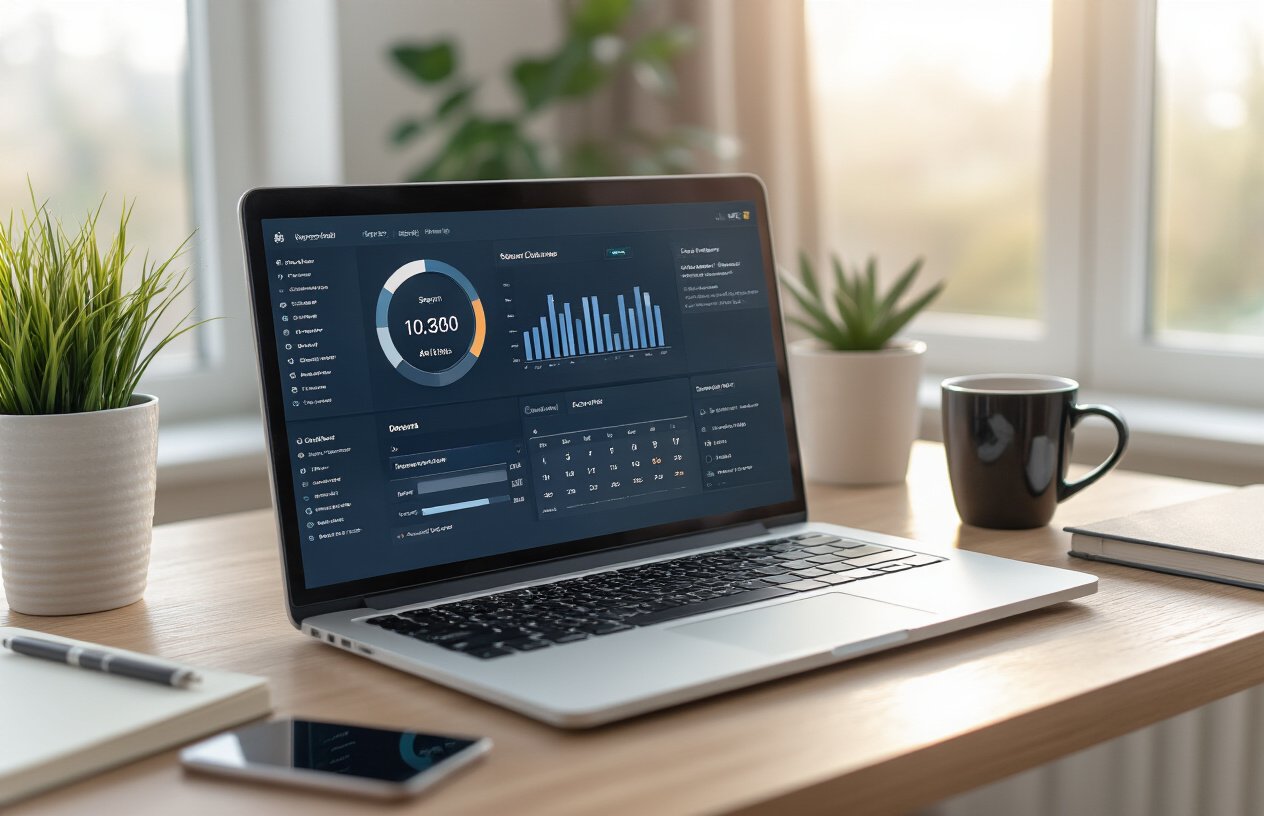
Simple interface that requires zero technical expertise
The beauty of this AI tool lies in its simplicity. When I first discovered it, I was honestly skeptical because most productivity apps feel like they’re built by engineers for engineers. You know the ones – packed with features you’ll never use and requiring a PhD in computer science just to set up properly.
This tool breaks that mold completely. The interface welcomes you with clean, intuitive design that makes sense from day one. No confusing menus, no buried settings, and definitely no need to watch tutorial videos or read lengthy user manuals. You connect your calendar, tell it about your priorities, and you’re ready to roll.
What impressed me most was how the setup process took less than five minutes. The tool asks straightforward questions about your work style and goals, then automatically configures itself to match your preferences. Even my tech-challenged colleagues picked it up instantly when I showed them the demo.
Lightning-fast calendar analysis and optimization features
Speed was a game-changer for me. Before this tool, manually reviewing and reorganizing my weekly calendar took hours. I’d spend Sunday mornings shuffling meetings, trying to create focused work blocks, and often missing important scheduling conflicts.
Now the AI scans my entire calendar in seconds, identifying patterns and inefficiencies I never noticed. It spots double-bookings before they become problems, finds hidden pockets of time for deep work, and suggests optimal meeting clusters that minimize context switching.
The optimization suggestions are remarkably smart. The tool recognizes that I’m most productive in the morning and automatically recommends moving creative tasks to those time slots. It also identifies when I have too many meetings packed into one day and suggests spreading them out for better mental clarity.
Smart priority detection based on your goals
This feature completely transformed how I approach weekly planning. The AI learns from your behavior patterns and goal inputs to automatically rank tasks and meetings by importance. Instead of treating every calendar item equally, it creates a hierarchy that aligns with what actually matters to you.
The priority detection gets smarter over time. After a few weeks of use, it started recognizing that client calls needed protection from scheduling conflicts, while internal team meetings could be more flexible. It also learned that I perform better when creative work isn’t sandwiched between back-to-back meetings.
The goal alignment feature asks you to set 3-5 key objectives for the week, then color-codes your calendar based on how each activity contributes to those goals. This visual system made it crystal clear where I was wasting time on low-impact activities.
Seamless integration with existing calendar apps
One of my biggest concerns was disrupting my existing workflow. I’ve been using Google Calendar for years, and the thought of migrating everything to a new platform felt overwhelming. Thankfully, this tool doesn’t require any migration at all.
The integration works like magic with all major calendar platforms – Google Calendar, Outlook, Apple Calendar, and even specialized business tools like Calendly. Changes sync instantly in both directions, so when the AI suggests moving a meeting, it updates across all your connected apps automatically.
The tool respects your existing calendar structure while adding its intelligence layer on top. Your color-coding systems, recurring meetings, and shared calendars all remain intact. It’s like having a super-smart assistant who works behind the scenes without changing anything about how you actually interact with your calendar day-to-day.
My Step-by-Step Sunday Routine for Maximum Efficiency

Download and review the entire upcoming week in 60 seconds
The magic starts with a quick brain dump. I open my AI planning tool and ask it to pull together everything on my calendar for the next seven days. While traditional calendar apps show you one day at a time or give you that overwhelming monthly view, this approach gives me the perfect bird’s-eye perspective.
I copy and paste all my meetings, deadlines, and commitments into the AI tool. The beauty here is that it instantly organizes everything chronologically and shows patterns I’d never notice scrolling through my phone. Within seconds, I can see that Wednesday is completely packed while Thursday has weird gaps that make no sense.
The AI highlights potential scheduling conflicts, overlapping commitments, and even flags meetings that seem too close together without proper transition time. This 60-second overview saves me hours of back-and-forth emails later in the week when I realize I’ve double-booked myself or scheduled a client call right after a dentist appointment across town.
Identify time-wasters and low-value commitments instantly
Here’s where the AI really shines. I ask it to categorize my commitments by importance and energy level. The results are eye-opening every single time. That “quick check-in” meeting that somehow expanded to an hour? The AI flags it as a potential time-waster. The standing meeting where nothing ever gets decided? Red flag.
The tool analyzes patterns from my previous weeks and learns what actually moves the needle for me versus what just fills up calendar space. It’s like having a productivity coach who never gets tired of calling out my bad habits.
I specifically look for:
- Meetings with no clear agenda or outcome
- Recurring commitments that have outlived their purpose
- Back-to-back scheduling that leaves no thinking time
- Travel time that’s unrealistic or poorly planned
Once I spot these calendar vampires, I can either reschedule them strategically or eliminate them entirely.
Reorganize meetings for optimal energy and focus
Energy management beats time management every day of the week. The AI helps me map my natural energy patterns against my meeting types. Deep work sessions get scheduled during my peak hours (usually 9-11 AM), while routine check-ins happen during my natural afternoon dips.
I batch similar types of meetings together. All my client calls happen on Tuesday and Thursday mornings when I’m sharp and focused. Administrative stuff gets pushed to Friday afternoons when my brain is already winding down for the weekend.
The AI also considers commute times and buffer periods. No more racing from downtown meetings to home calls with zero transition time. Everything flows logically, and I show up to each commitment actually prepared and present.
Block protected time for high-priority projects
This step transforms good intentions into actual results. I identify my three biggest priorities for the week and ask the AI to find the best time blocks to tackle them. These aren’t wishful thinking sessions – they’re non-negotiable appointments with my most important work.
The AI suggests optimal block sizes based on the type of work. Creative projects get longer, uninterrupted stretches. Admin tasks get grouped into focused sprints. Each protected block goes on my calendar as a real meeting, complete with preparation notes and clear objectives.
I treat these time blocks like client meetings – they don’t get moved or canceled without serious consideration. This simple shift has doubled my progress on long-term projects.
Set automated reminders for preparation tasks
The final piece makes everything run smoothly. The AI creates a preparation checklist for each major meeting or project block. These reminders pop up at just the right time – not so early that I forget, not so late that I’m scrambling.
For client presentations, I get reminders to review their file, prepare materials, and test my tech setup. For creative work blocks, reminders help me gather resources and clear distractions beforehand. The system runs itself, leaving my brain free to focus on the actual work instead of remembering what needs to happen next.
Real Results After 3 Months of Implementation

Eliminated 40% of Unnecessary Meetings and Commitments
The numbers don’t lie. Before implementing this Sunday planning routine, my calendar was a nightmare of back-to-back meetings, most of which felt like complete wastes of time. Now, the AI tool helps me spot patterns I never noticed before.
The biggest revelation was discovering how many “urgent” meetings were actually just poor planning on someone else’s part. When I started reviewing my week every Sunday, I could see which recurring meetings hadn’t produced actionable outcomes in months. Some were just status updates that could be handled with a simple email.
The AI tool’s pattern recognition showed me that 60% of my meeting invites came from the same five people, and most were scheduling conflicts that could be resolved asynchronously. By identifying these patterns upfront, I started declining or suggesting alternatives before my week got derailed.
Here’s what got cut from my schedule:
- Weekly check-ins that had no agenda
- “Quick sync” calls that always ran long
- Meetings where I was just an FYI attendee
- Double-booked commitments that created stress
- Social obligations that didn’t align with my energy levels
Doubled Deep Work Time Through Strategic Scheduling
The transformation in my productive work time has been incredible. Before Sunday planning, I was lucky to get 90 minutes of uninterrupted focus time per day. Now I’m consistently hitting 3-4 hours of deep work daily.
The secret is the AI tool’s ability to analyze my energy patterns and meeting density. It learned that I’m most creative between 9-11 AM and again from 2-4 PM. Instead of leaving this to chance, I now block these times religiously every Sunday for the entire week.
The tool also flags potential interruption zones. If I have meetings at 11 AM and 1 PM, it warns me that the 90-minute gap isn’t enough for meaningful deep work. I either move one meeting or accept that this will be an admin day.
My deep work blocks now include:
- Morning Creative Sessions: 9:00-11:30 AM (writing, strategy, problem-solving)
- Afternoon Focus Time: 2:00-4:30 PM (analysis, planning, complex tasks)
- Friday Deep Dives: 3-hour blocks for quarterly planning and reflection
The consistency has been game-changing. My brain now expects these focus periods and naturally shifts into high-performance mode.
Improved Work-Life Balance with Clear Boundaries
This might be the most valuable outcome. The AI tool doesn’t just optimize work time – it protects personal time with the same intensity. Sunday planning sessions now include my life outside of work, creating boundaries that actually stick.
The tool learned my patterns and started suggesting “buffer zones” between work and personal commitments. If I have a late meeting on Tuesday, it blocks Wednesday morning for recovery time. If my weekend has social events, it keeps Monday lighter.
What surprised me most was how the tool identified energy drains I hadn’t noticed. Thursday evening calls with difficult clients were bleeding into my family time, creating tension at home. Now those conversations happen Wednesday afternoons when I’m mentally fresh, and my evenings stay protected.
My new boundaries include:
| Boundary Type | Previous State | Current State |
|---|---|---|
| Evening calls | 3-4 per week | 1 max, ends by 6 PM |
| Weekend work | 5-6 hours | 2 hours max, Sunday only |
| Lunch breaks | Often skipped | Protected daily 12-1 PM |
| Family time | Interrupted constantly | 6-9 PM completely offline |
The ripple effects have been profound. My family notices I’m more present during dinner. Friends comment that I seem less stressed. Even my sleep has improved because I’m not mentally processing work conflicts right before bed.
The boundary-setting also improved my work performance. When I know my personal time is protected, I’m more focused during work hours. There’s no guilt about taking breaks because everything has its designated space.
Common Mistakes to Avoid When Starting This System

Over-scheduling your newly freed time blocks
The biggest trap most people fall into is treating their newly optimized calendar like an empty canvas that needs to be completely filled. When AI helps you reclaim 8-10 hours per week, your first instinct might be to pack those hours with more meetings, projects, or commitments. This completely defeats the purpose.
Think of those freed-up time blocks as breathing room, not vacant real estate. I learned this the hard way during my first month. After using AI to streamline my calendar, I immediately started booking client calls in every available slot. Within two weeks, I was more overwhelmed than before because I had eliminated all buffer time between activities.
The sweet spot is filling only 70% of your newly available time. Leave the remaining 30% as flex space for unexpected urgent tasks, creative thinking, or simply decompressing between intensive work sessions. This buffer prevents your optimized schedule from becoming a rigid prison.
Ignoring energy patterns when reorganizing tasks
AI tools excel at finding efficient time slots, but they can’t read your natural energy rhythms. Just because the algorithm suggests scheduling your most demanding work at 2 PM doesn’t mean that’s when you’re mentally sharp.
Your reorganized calendar needs to align with your biological prime time. I track my energy levels using a simple 1-10 scale every hour for two weeks to identify patterns. Most people discover they have 2-3 peak performance windows during the day, usually lasting 90-120 minutes each.
When the AI suggests moving a strategic planning session to late afternoon but you know your brain turns to mush after 3 PM, override the recommendation. Place high-cognitive tasks during your peak hours and save routine administrative work for energy valleys. The AI provides the framework, but you need to customize it based on your unique rhythms.
Failing to communicate changes to team members
Your newly optimized schedule affects everyone who works with you, yet most people forget to loop in their colleagues. When you suddenly start declining certain meeting times or requesting different collaboration windows, team members might interpret this as being difficult or unavailable.
Send a brief email to your core collaborators explaining your new scheduling approach. Frame it as a productivity improvement that will make you more present and effective during shared work time. Share your new preferred meeting windows and explain when you’re in deep focus mode.
Create shared visibility into your optimized blocks using calendar colors or status indicators. Green might signal “available for collaboration,” yellow for “focused work – interrupt only if urgent,” and red for “deep work – no interruptions.” This transparency helps teammates understand your availability without feeling shut out.
Skipping the Sunday routine during busy periods
The irony is that you’ll want to skip your Sunday planning routine exactly when you need it most – during crunch periods, travel weeks, or when personal life gets chaotic. This is like stopping your workout routine when you’re stressed, which is precisely when exercise would help most.
Busy weeks demand more structure, not less. Even if you can only spare 15 minutes instead of your usual hour, maintaining the habit keeps your system functional. During overwhelming periods, your AI tool becomes even more valuable because it can quickly identify which commitments are truly essential versus those you’re keeping out of habit.
Build contingency mini-routines for different scenarios. Create a 15-minute emergency version for travel days and a 30-minute condensed version for moderately busy weekends. The key is never going completely dark on the planning process, even if you have to modify the depth and duration.
Taking an hour on Sunday to plan your entire week with this AI tool completely changed how I approach my schedule. The clarity and peace of mind that comes from having everything mapped out ahead of time is honestly life-changing. You stop scrambling through chaotic Monday mornings and start each week with intention and purpose.
After three months of sticking to this routine, my productivity has skyrocketed while my stress levels dropped significantly. The AI handles all the heavy lifting of scheduling optimization, while you get to focus on what actually matters. Give this Sunday planning system a try for just one month – your future self will thank you for taking control of your calendar instead of letting it control you.