Your smart scale promises AI-powered insights and precise body composition data, but it’s likely misleading you about your actual weight loss progress. This reality check is for anyone who’s invested in high-tech bathroom scales, wondering why the numbers don’t match their efforts, or considering buying into the latest AI fitness gadgets.
Smart scales use basic electrical impedance, not true artificial intelligence, to estimate body fat and muscle mass. These measurements can fluctuate wildly based on hydration, meal timing, and even room temperature. Meanwhile, fitness companies market these devices with buzzwords like “AI-powered” and “precision tracking” to justify premium prices, when the technology inside is decades old.
We’ll break down how smart scales actually measure body composition and why their readings are often inaccurate. You’ll discover the marketing tactics that make basic sensors sound revolutionary, plus learn about hidden factors like water retention and hormonal changes that throw off your measurements. Most importantly, we’ll explore better methods for tracking real weight loss success that don’t rely on misleading technology.
How Smart Scales Actually Measure Body Composition
The electrical impedance technology behind the numbers
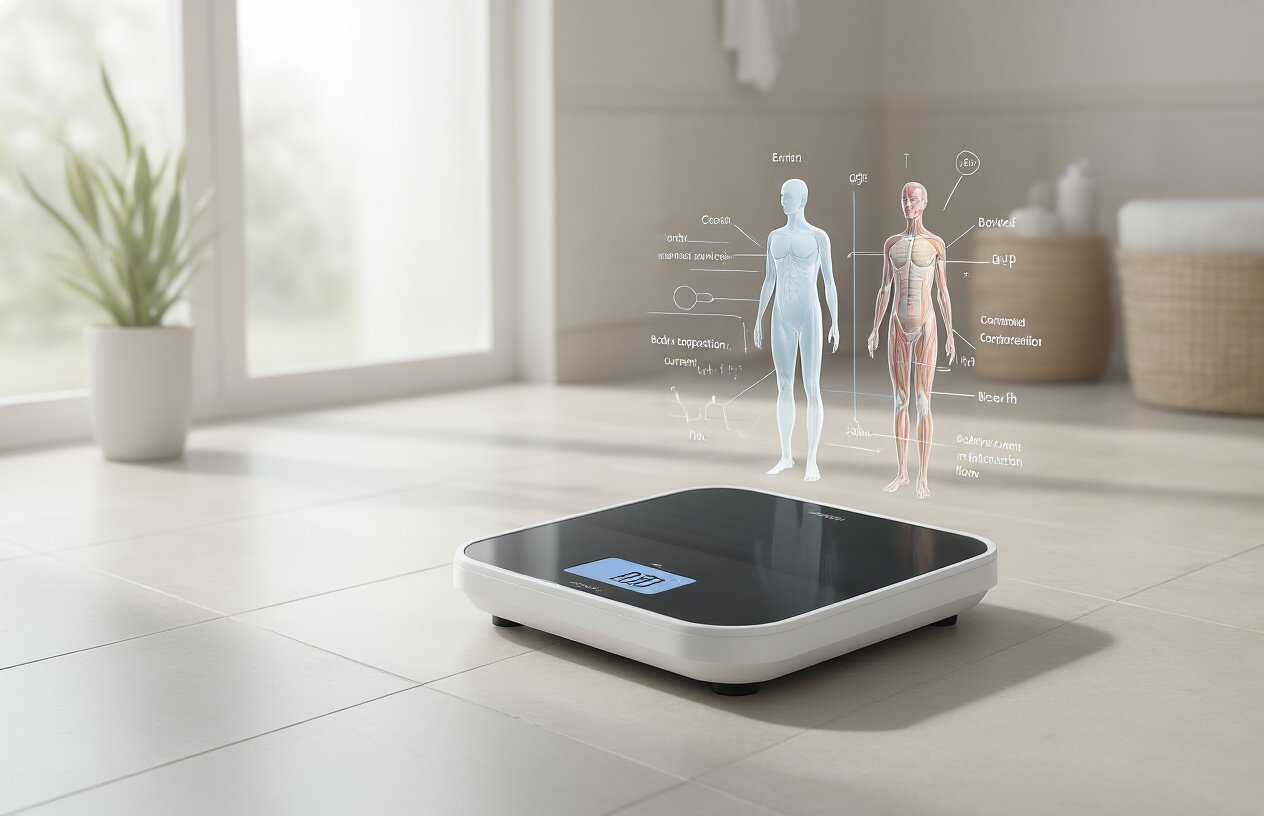
Smart scales send a weak electrical current through your body and measure how quickly it travels from one foot to the other. This process, called bioelectrical impedance analysis (BIA), works because different tissues conduct electricity at different rates. Muscle tissue, which contains more water, conducts electricity faster than fat tissue, which has less water content.
The scale’s computer takes this resistance measurement and plugs it into an algorithm along with your height, weight, age, and gender. Based on these inputs, it estimates your body fat percentage, muscle mass, and other metrics. The entire process happens in seconds, which seems impressive until you realize what’s actually happening behind the scenes.
Most consumer scales use a simple two-electrode system – one under each foot. Professional-grade devices use four or eight electrodes placed on hands and feet for more accurate readings. Your bathroom scale is essentially making educated guesses about your entire body composition based on how electricity travels through your lower legs and pelvis.
Why hydration levels drastically affect your readings
Your hydration status can swing your body fat readings by 3-5% in a single day. Drink a large glass of water, and your scale might suddenly report that you’ve gained muscle mass. Skip your morning coffee routine, and you could appear to have lost water weight while gaining fat.
This happens because water is an excellent conductor of electricity. When you’re well-hydrated, the electrical current zips through your body faster, making the scale think you have more muscle tissue. When you’re dehydrated, the current meets more resistance, leading the algorithm to conclude you have higher body fat.
Several factors affect your hydration throughout the day:
- Time of day: Most people are naturally dehydrated in the morning
- Exercise: Sweating can drop your body water by several pounds
- Meal timing: Food intake affects fluid distribution
- Room temperature: Hot environments increase fluid loss
- Alcohol consumption: Acts as a diuretic, reducing body water
- Medications: Many prescriptions affect fluid retention
The margin of error most manufacturers don’t advertise
While smart scale companies proudly display their sleek designs and AI-powered features, they’re notably quiet about accuracy specifications. Most consumer BIA devices have an error margin of 3-8% for body fat measurements – and that’s under ideal conditions.
Professional DEXA scans, considered the gold standard for body composition, typically have error rates under 2%. Compare this to your bathroom scale’s potential 8% swing, and you realize why your readings seem to change dramatically from day to day.
| Measurement Method | Typical Error Range | Cost | Convenience |
|---|---|---|---|
| Smart Scale BIA | 3-8% | $50-300 | High |
| DEXA Scan | 1-2% | $100-200 | Low |
| Hydrostatic Weighing | 2-3% | $75-150 | Very Low |
| Bod Pod | 2-4% | $50-100 | Medium |
The problem gets worse when manufacturers apply “proprietary algorithms” to improve accuracy. These black-box calculations often introduce additional variables and assumptions that can amplify errors rather than reduce them.
What your scale can’t measure that matters most
Smart scales miss several critical components of health and fitness progress that actually matter for long-term success. They can’t detect changes in bone density, which increases as you get stronger. They miss improvements in cardiovascular fitness, flexibility, and functional movement patterns.
Your scale also can’t measure visceral fat – the dangerous fat around your organs that’s linked to serious health risks. Two people with identical body fat percentages can have vastly different health profiles based on where that fat is stored.
Perhaps most importantly, these devices completely ignore strength gains, endurance improvements, and energy levels. You might maintain the exact same weight and body fat percentage while dramatically improving your ability to climb stairs, carry groceries, or play with your kids. Your smart scale would register this as “no progress” despite meaningful improvements in your quality of life.
The psychological impact matters too. People often become obsessed with daily fluctuations in body fat readings that are largely meaningless noise rather than signal. This data addiction can derail progress by creating anxiety around normal biological variations that have nothing to do with actual fat loss or muscle gain.
The Marketing Machine Behind AI Fitness Technology
How companies exploit your desire for instant gratification
Smart scale manufacturers know exactly what you want: immediate results and quick answers. They’ve built their entire marketing strategy around feeding this craving for instant feedback. Your new $200 scale promises to reveal your muscle mass, bone density, and metabolic age within seconds of stepping on it. The colorful app displays charts that seem incredibly sophisticated, making you feel like you’re getting professional-grade analysis right in your bathroom.
These companies deliberately create products that give you something to measure every single day. Traditional weight loss methods might show progress over weeks or months, but smart scales offer daily data points that feel meaningful. You wake up, step on the scale, and get a dopamine hit from seeing numbers change – even when those changes are largely meaningless fluctuations in water weight or measurement errors.
The instant gratification extends to the social features too. Many scales automatically sync to fitness apps where you can share achievements, compete with friends, and get virtual badges. This gamification keeps you engaged with the product ecosystem while creating a false sense of accomplishment from hitting arbitrary metrics rather than genuine health improvements.
The psychological tricks that keep you buying upgrades
Fitness technology companies use a playbook of psychological manipulation that would make casino designers proud. They start with the “foot in the door” technique – getting you to buy a basic smart scale, then gradually introducing premium features that seem essential for “serious” fitness tracking.
The subscription model is particularly insidious. Your scale works fine initially, but then certain features get locked behind a monthly paywall. Want to see your trends over time? That’ll be $9.99 per month. Need to export your data? Premium feature. The company has already gotten you invested in their ecosystem, making it painful to abandon all that “valuable” data you’ve been collecting.
They also exploit the sunk cost fallacy brilliantly. Once you’ve spent months tracking data on their platform, switching to a competitor means losing your historical information. This digital lock-in effect keeps customers paying for services they don’t really need.
Fear-based marketing plays a huge role too. Companies constantly introduce new metrics to track, each one supposedly revealing hidden health risks you never knew existed. Your visceral fat rating, protein levels, and body age all become sources of anxiety that only their advanced algorithms can properly interpret and address.
Why testimonials and before-after photos mislead consumers
The before-and-after photos plastered across smart scale marketing materials tell carefully crafted stories, but they rarely tell the whole truth. These testimonials typically focus on dramatic weight changes while conveniently ignoring the role of diet, exercise, and lifestyle modifications that actually drove the results.
What you don’t see are the hundreds of customers who bought the same scale and saw no meaningful changes. Companies cherry-pick the most impressive transformations, often from people who were already following comprehensive fitness programs. The scale becomes a minor accessory in their journey, but the marketing presents it as the driving force behind their success.
Many testimonials also conflate correlation with causation. Someone might lose 30 pounds while using a smart scale, but that doesn’t mean the scale caused the weight loss. The real factors – consistent caloric deficit, regular exercise, better sleep habits – get downplayed in favor of highlighting the proprietary “AI insights” that supposedly made the difference.
The timing of photos matters too. Companies know that lighting, posture, clothing, and even the time of day can dramatically affect how someone looks in pictures. Professional photographers and careful staging create transformations that look more dramatic than the actual physical changes achieved.
Real vs. Artificial Intelligence in Weight Loss Tracking
What genuine AI analysis looks like in medical settings
Healthcare facilities use sophisticated AI systems that analyze thousands of data points simultaneously. These medical-grade systems combine body composition measurements with blood work, hormonal profiles, metabolic rate testing, and comprehensive medical histories. The algorithms undergo rigorous clinical testing and validation across diverse populations before deployment.
Professional medical AI can identify patterns between inflammation markers, sleep quality metrics, stress hormone levels, and weight fluctuations. These systems require specialized training datasets containing millions of patient records, supervised by medical professionals who understand the complex relationships between various health indicators.
The processing power behind medical AI dwarfs consumer devices. Hospital systems often use cloud-based supercomputers that can analyze genetic predispositions, medication interactions, and environmental factors that affect metabolism. Your bathroom scale simply doesn’t have access to this depth of information.
How your smart scale’s algorithms actually work
Smart scales rely on bioelectrical impedance analysis (BIA), which sends a weak electrical current through your body. The device measures resistance and uses pre-programmed formulas to estimate body fat percentage. These calculations depend on basic demographic inputs like age, height, and gender.
The “AI” in most consumer scales is actually a collection of statistical averages derived from population studies. When your scale claims to use machine learning, it’s typically just comparing your readings against established databases of body composition norms for people with similar characteristics.
Most smart scales store your historical data and apply smoothing algorithms to reduce daily fluctuations. This creates the illusion of sophisticated analysis, but the underlying math remains relatively simple regression models. The device isn’t learning about your unique physiology—it’s applying generalized formulas to your specific measurements.
The difference between correlation and causation in data patterns
Your smart scale might notice that your body fat percentage drops when your weight decreases, then present this as meaningful insight. This correlation appears logical, but it doesn’t account for the numerous variables that actually drive body composition changes.
Real causation involves understanding why changes occur. Did you lose fat, muscle, or water weight? Was the change due to exercise, diet modifications, stress levels, medication adjustments, or hormonal fluctuations? Consumer devices can’t determine these causal relationships because they lack comprehensive data inputs.
Many users fall into the trap of believing their scale’s pattern recognition represents genuine intelligence. The device might show graphs suggesting optimal weigh-in times or predict future weight loss, but these projections are based on statistical correlations rather than understanding of your individual metabolism and lifestyle factors.
Why machine learning needs more than just weight data
Effective machine learning for weight management requires diverse, high-quality datasets. Body weight alone provides insufficient information for meaningful predictions about fat loss, muscle gain, or metabolic health improvements.
Genuine AI systems need continuous monitoring of:
- Sleep patterns and quality metrics
- Daily activity levels and exercise intensity
- Nutritional intake and meal timing
- Stress indicators and recovery measurements
- Hydration status and electrolyte balance
- Environmental factors like temperature and altitude
Without this comprehensive data collection, algorithms can’t distinguish between meaningful trends and random noise. Your smart scale’s “predictions” are educated guesses based on limited information, not true artificial intelligence capabilities.
The limitations of consumer-grade sensors
Home scales use basic strain gauges and simple electrical impedance sensors that pale in comparison to medical equipment. These sensors are sensitive to external conditions like room temperature, floor surface, and even your skin moisture levels.
BIA measurements can vary by 10-15% based on hydration status alone. If you weigh yourself after a shower versus first thing in the morning, the electrical resistance changes dramatically, leading to completely different body composition readings. Professional equipment compensates for these variables through multiple frequency measurements and environmental controls.
The metallic contact points on consumer scales often corrode or accumulate residue, affecting electrical conductivity. Medical devices undergo regular calibration and maintenance procedures that simply aren’t feasible for home users. Your scale’s accuracy degrades over time, but the device continues displaying precise-looking numbers that create false confidence in the data quality.
Hidden Factors That Sabotage Your Progress Measurements
How Time of Day Creates Dramatic Weight Fluctuations
Your smart scale reads 152 pounds at 6 AM, then suddenly jumps to 156 pounds by evening. The AI cheerfully declares you’ve gained four pounds in twelve hours. Panic sets in, but here’s what really happened: your body naturally fluctuates throughout the day due to hydration levels, food intake, and metabolic processes.
Morning measurements typically show the lowest numbers because you’ve been fasting for 8-12 hours and your body has processed most of the previous day’s food and fluids. By evening, you’ve consumed meals, snacks, and beverages that add temporary weight. Even a large glass of water weighs one pound.
Your digestive system also plays a major role. Food moves through your stomach and intestines over several hours, creating weight variations that have nothing to do with fat gain or loss. Smart scales can’t distinguish between a hearty dinner sitting in your stomach and actual body composition changes.
The solution isn’t avoiding evening weigh-ins altogether, but understanding these patterns. Consistent timing matters more than the specific time you choose. Pick either morning or evening and stick with it for accurate trend tracking.
The Impact of Sodium Intake on Water Retention
Sodium acts like a sponge in your body, pulling water into your tissues and bloodstream. A single high-sodium meal can cause you to retain 2-4 pounds of water within hours, completely throwing off your smart scale readings.
Restaurant meals, processed foods, and even seemingly healthy options like canned soup contain shocking amounts of sodium. The American Heart Association recommends no more than 2,300 milligrams daily, but most people consume 3,400 milligrams or more. Your body responds by holding onto extra water to maintain proper sodium concentration in your blood.
This water retention doesn’t reflect fat gain, but your smart scale’s bioelectrical impedance can’t tell the difference. The extra fluid changes how electrical signals travel through your body, potentially skewing body fat percentage readings by several points.
Women often experience this more dramatically due to hormonal fluctuations that amplify sodium sensitivity. The week before menstruation, many women retain an additional 3-5 pounds of water, which compounds the sodium effect.
Smart scales interpret this temporary water weight as genuine body composition changes, leading to frustrating and inaccurate progress reports. Understanding your sodium intake patterns helps explain seemingly random weight spikes that have nothing to do with your actual fat loss efforts.
Why Muscle Gain Can Mask Fat Loss on the Scale
Building muscle while losing fat represents the holy grail of body composition changes, but it creates a frustrating paradox on traditional scales. Muscle tissue weighs significantly more than fat tissue by volume, so you can actually gain weight while becoming leaner and healthier.
A pound of muscle takes up roughly 20% less space than a pound of fat. This means you might drop clothing sizes and notice a tighter, more defined physique while the scale stays stuck or even climbs higher. Your smart scale’s AI might interpret this as failed progress, when you’re actually succeeding beyond typical weight loss goals.
Strength training, protein intake, and progressive overload all contribute to muscle development. Beginners especially can build muscle rapidly during their first few months of consistent training. This “newbie gains” phenomenon can completely mask fat loss on scales, creating false impressions of stalled progress.
Smart scales attempt to measure muscle mass through bioelectrical impedance, but these readings fluctuate wildly based on hydration, recent exercise, and skin temperature. The technology simply isn’t precise enough to capture the subtle day-to-day changes in muscle development that affect overall weight.
Professional bodybuilders and fitness competitors often gain weight during successful cutting phases because they’re simultaneously building lean tissue while reducing body fat. Your scale can’t celebrate these victories – only measurements, photos, and how your clothes fit reveal the real story.
How Hormonal Changes Affect Body Composition Readings
Hormones orchestrate nearly every aspect of weight regulation, water retention, and metabolism, yet smart scales remain completely oblivious to these powerful influences. Cortisol, insulin, thyroid hormones, and sex hormones all impact how your body stores and releases water, making scale readings unreliable indicators of actual progress.
Stress elevates cortisol levels, which promotes water retention and can increase scale weight by several pounds overnight. Poor sleep quality also disrupts hormone production, affecting leptin and ghrelin – the hormones that control hunger and satiety. Your smart scale can’t account for the fact that you retained water due to a stressful work presentation, not dietary choices.
Women face additional complexity with monthly hormonal cycles. Estrogen and progesterone fluctuations throughout the menstrual cycle cause predictable water retention patterns. Many women gain 3-7 pounds of water weight during the luteal phase, regardless of their eating habits or exercise routine.
Thyroid function directly impacts metabolism and water balance. Hypothyroidism can cause significant water retention and slower fat burning, while hyperthyroidism creates the opposite effect. These medical conditions make scale-based progress tracking nearly meaningless without proper context.
Smart scales measure electrical impedance, but hormones change how your body conducts electricity through altered hydration and cellular function. A surge in growth hormone after intense exercise or insulin spikes from meals both affect bioelectrical readings in ways that have nothing to do with body fat changes.
Better Methods for Tracking Real Weight Loss Success

Professional Body Composition Analysis Options
DEXA scans represent the gold standard for body composition analysis. These machines use dual-energy X-ray absorptiometry to measure bone density, lean mass, and fat distribution with remarkable precision. You’ll get detailed reports showing exactly where fat accumulates and how muscle mass changes over time. Most major cities have facilities offering DEXA scans for $50-150 per session.
Hydrostatic weighing, though less common, provides another highly accurate method. This underwater weighing technique calculates body density by measuring displacement. The process takes about 30 minutes and costs around $75-100 per session. Many universities with exercise science programs offer these services to the public.
BOD POD air displacement plethysmography offers similar accuracy to hydrostatic weighing without getting wet. The egg-shaped chamber measures air displacement to determine body composition. Sessions typically cost $40-80 and take just 10 minutes.
For more accessible options, consider scheduling quarterly appointments with registered dietitians who use multi-frequency bioelectrical impedance analysis. These professional-grade devices cost thousands of dollars and provide far more accurate readings than consumer scales.
Progress Photos and Measurement Techniques That Work
Take progress photos under identical conditions every two weeks. Use the same lighting, camera angle, clothing, and time of day. Natural light works best – position yourself near a window during mid-morning hours. Wear form-fitting clothing or swimwear that reveals your body’s contours.
Create a simple photo protocol: front view with arms at sides, side profile, and back view. Take photos before eating breakfast and after using the bathroom for consistency. Store images in a dedicated folder with clear date labels.
Body measurements tell stories that scales cannot. Track these key measurements monthly using a flexible measuring tape:
- Waist circumference at the narrowest point
- Hip measurement at the widest part
- Chest/bust at the fullest point
- Upper arm circumference flexed and unflexed
- Thigh circumference at the largest point
Record measurements at the same time each month, preferably in the morning. Pull the tape snug but don’t compress the skin. Take three measurements of each area and use the average for accuracy.
Energy Levels and Performance Indicators to Monitor
Your body’s performance metrics reveal more about health improvements than any scale reading. Track these daily indicators using a simple 1-10 rating system:
Energy and Vitality Markers:
- Morning energy upon waking (without caffeine)
- Sustained energy throughout the day
- Exercise recovery time between sessions
- Sleep quality and duration
- Mental clarity and focus
Physical Performance Indicators:
- Strength improvements in key exercises
- Cardiovascular endurance during activities
- Flexibility and mobility assessments
- Balance and coordination tests
- Workout intensity tolerance
Keep a simple daily log rating each factor. Look for trends over 2-4 week periods rather than day-to-day fluctuations. Many people discover their energy skyrockets and workout performance improves even when weight loss plateaus.
Pay attention to non-scale victories: climbing stairs without breathlessness, better sleep patterns, improved mood stability, and increased confidence levels. These indicators often improve weeks before significant weight changes occur.
The Role of Blood Work in Understanding Your Health
Comprehensive blood panels reveal internal changes that external measurements miss entirely. Schedule laboratory work every 3-6 months to track these critical markers:
Essential Metabolic Indicators:
- Fasting glucose and HbA1c levels
- Insulin sensitivity markers
- Thyroid function (TSH, T3, T4)
- Lipid profile including triglycerides
- Inflammatory markers like C-reactive protein
Nutritional Status Markers:
- Vitamin D, B12, and folate levels
- Iron stores and complete blood count
- Protein markers including albumin
- Electrolyte balance assessment
Work with healthcare providers to interpret results within the context of your weight loss journey. Many people see dramatic improvements in blood markers before achieving their goal weight. Reduced inflammation, better glucose control, and improved cholesterol ratios indicate genuine health progress regardless of scale numbers.
Consider adding specialized tests like omega-3 fatty acid profiles or comprehensive hormone panels if you’re experiencing persistent plateaus or unusual symptoms. These deeper insights help identify hidden obstacles to progress that no scale or fitness tracker can detect.
Regular blood work also helps catch potential issues early, ensuring your weight loss approach supports long-term health rather than creating new problems.
Smart scales promise the world with their fancy AI features and detailed body composition readings, but the reality is far less impressive. These devices rely on basic bioelectrical impedance that can be thrown off by everything from your hydration levels to the time of day you step on them. The “artificial intelligence” is mostly marketing fluff designed to make you feel like you’re getting cutting-edge technology when you’re really just getting inconsistent readings dressed up in a sleek app.
Your real progress isn’t hiding in fluctuating body fat percentages or muscle mass estimates that change based on whether you had an extra glass of water. Focus on how your clothes fit, your energy levels, and your strength improvements instead of obsessing over numbers that change more from external factors than actual body changes. Take progress photos, measure your waist with a simple tape measure, and pay attention to how you feel. These old-school methods might not have fancy algorithms, but they’ll give you a much clearer picture of your actual progress than any smart scale ever will.