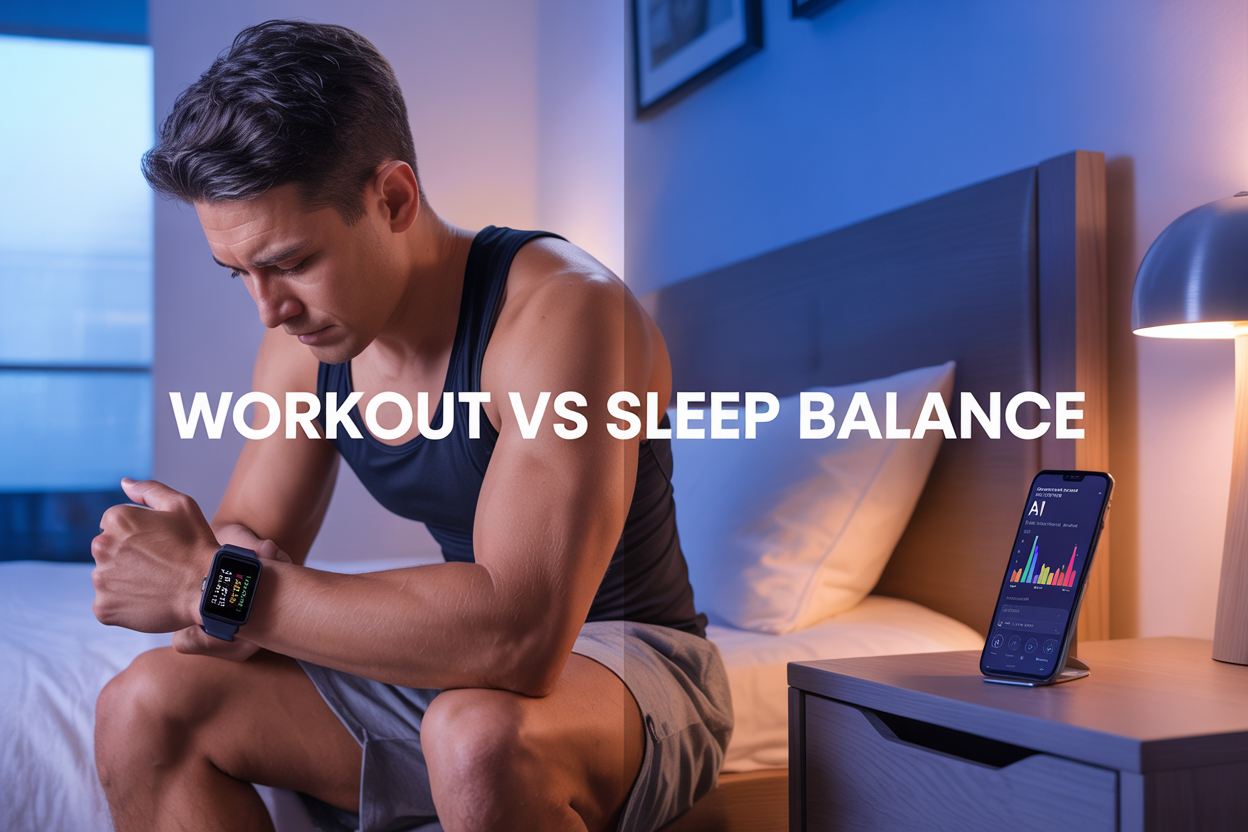
For months, I couldn’t figure out why my evening workouts left me staring at the ceiling until 2 AM. I thought I was doing everything right – regular exercise, healthy diet, consistent bedtime – but my sleep quality was terrible. That changed when I started using an AI sleep tracker that revealed shocking patterns between my workout routine and sleep disruption.
This guide is for fitness enthusiasts, busy professionals, and anyone struggling with poor sleep despite maintaining an active lifestyle. If you’re getting enough exercise but still feel exhausted, your workout timing and intensity might be sabotaging your rest.
We’ll explore the common workout mistakes that destroy sleep quality and how AI trackers can expose hidden patterns in your fitness routine that you’d never notice otherwise. You’ll also discover the science behind exercise-induced sleep problems and learn practical strategies to optimize your workout schedule for deeper, more restorative sleep.
Common Workout Mistakes That Sabotage Your Sleep Quality
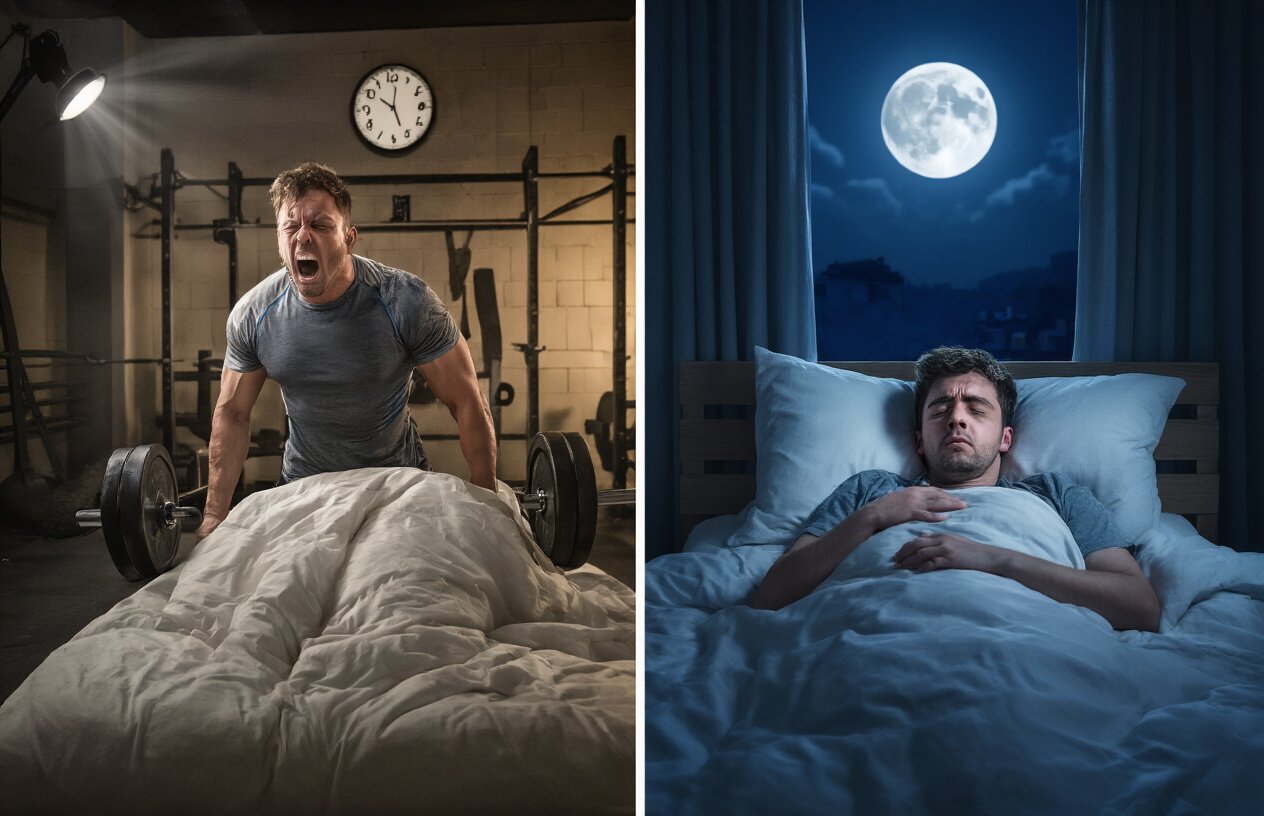
Exercising Too Close to Bedtime Disrupts Your Natural Wind-Down
Your body needs time to shift from workout mode to sleep mode, and cramming exercise into the hours before bed throws this delicate transition into chaos. When you exercise within three hours of bedtime, your core body temperature stays elevated long after you’ve finished your last rep. Your heart rate remains higher than normal, and stress hormones like cortisol continue circulating through your system.
The problem gets worse with intense workouts. That late-night CrossFit session or evening HIIT class might feel productive, but your nervous system interprets it as a signal to stay alert and ready for action. Even if you feel physically tired, your mind races as endorphins flood your brain – the same chemicals that make you feel amazing also keep you wired when you should be winding down.
Your sleep-wake cycle operates on strict biological timing. Evening exercise essentially tells your internal clock that it’s still daytime, pushing back your natural bedtime and making it harder to fall asleep. Even when you do drift off, the quality suffers because your body hasn’t had adequate time to cool down and transition into recovery mode.
High-Intensity Training Overloads Your Nervous System
Pushing yourself through intense workouts every day creates a state of chronic nervous system arousal that bleeds into your sleep hours. High-intensity interval training, heavy weightlifting, and demanding cardio sessions all trigger your sympathetic nervous system – your body’s “fight or flight” response.
While this activation helps you perform during workouts, problems arise when your system can’t shift back to the parasympathetic “rest and digest” mode needed for quality sleep. Your body becomes stuck in a hypervigilant state, constantly scanning for threats that don’t exist.
The symptoms show up in predictable ways: you lie in bed feeling exhausted but unable to quiet your mind, you wake up multiple times during the night, or you feel like you never enter deep sleep despite being in bed for eight hours. Your resting heart rate stays elevated, and you might notice increased anxiety or irritability during the day.
Training intensity needs strategic variation. Back-to-back high-intensity sessions compound this nervous system overload, creating a cycle where poor sleep leads to incomplete recovery, which leads to more stress on your system during the next workout. Breaking this pattern requires understanding that more isn’t always better – your nervous system needs recovery just like your muscles do.
Poor Post-Workout Recovery Habits Keep You Wired
What you do immediately after exercise plays a huge role in how well you sleep that night. Skipping your cool-down and jumping straight into your car or rushing back to work keeps your body locked in an activated state. Your heart rate stays elevated, your breathing remains shallow, and stress hormones continue pumping through your system.
Proper post-workout recovery starts the moment you finish your last set. A gradual cool-down with light movement helps your cardiovascular system return to baseline. Stretching or gentle yoga signals to your nervous system that the intense activity is over and it’s time to begin the recovery process.
Hydration mistakes also sabotage sleep quality. Chugging large amounts of water right after intense exercise can disrupt your electrolyte balance and lead to multiple bathroom trips during the night. Similarly, reaching for stimulating post-workout supplements or protein shakes loaded with caffeine extends the window of nervous system activation.
Temperature regulation becomes critical too. Hot showers immediately after exercise might feel good but can interfere with your body’s natural cooling process. Your core temperature needs to drop for optimal sleep, and keeping it artificially elevated with hot water delays this important physiological shift.
The most overlooked factor is mental stimulation after exercise. Checking work emails, scrolling social media, or jumping into demanding tasks keeps your mind active when it should be transitioning toward rest. Your post-workout routine should gradually decrease stimulation, not ramp it back up.
How AI Sleep Trackers Reveal Hidden Patterns in Your Fitness Routine
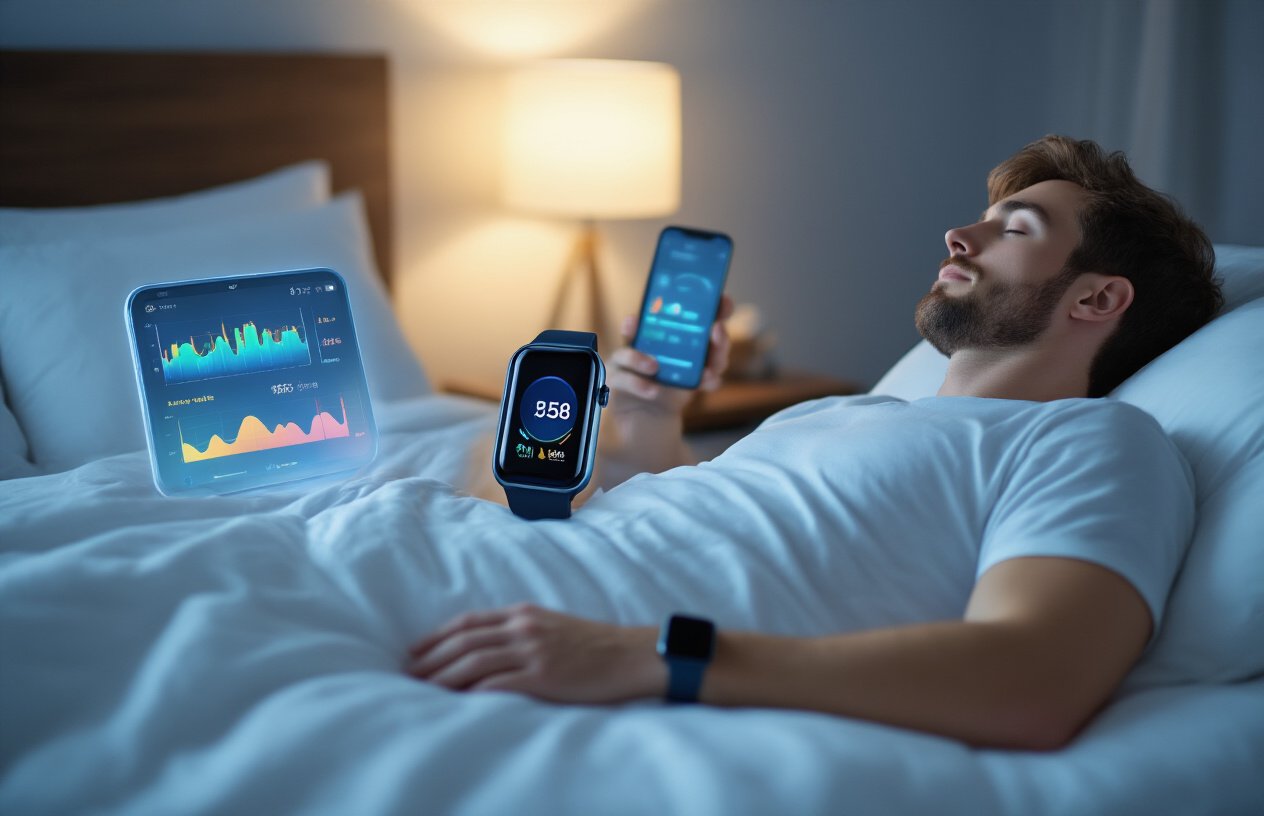
Advanced Sensors Detect Heart Rate Variability During Sleep
Modern AI sleep trackers use sophisticated biometric sensors that go way beyond simple step counting. These devices measure your heart rate variability (HRV) throughout the night, capturing tiny fluctuations in the time between each heartbeat. When you’ve pushed too hard during an evening workout, your HRV patterns reveal the stress your body is experiencing during what should be recovery time.
The sensors track your autonomic nervous system’s response to exercise stress, showing whether your body is stuck in “fight or flight” mode when it should be shifting into “rest and digest.” High-intensity workouts within three hours of bedtime often create HRV patterns that look like jagged mountain ranges instead of gentle rolling hills. This data reveals why you might feel wired despite being physically exhausted.
Temperature sensors add another layer of insight. Your core body temperature naturally drops as bedtime approaches, signaling your brain to release melatonin. Vigorous exercise elevates your temperature for hours afterward, and the sensors show exactly how long it takes to return to baseline. Some people see temperature spikes lasting 4-6 hours after intense cardio sessions.
Machine Learning Algorithms Identify Exercise-Sleep Correlations
AI algorithms excel at spotting patterns humans miss completely. They analyze months of data to find connections between specific workout variables and sleep quality metrics. The algorithms consider workout timing, intensity, duration, and type alongside sleep onset time, deep sleep percentage, and wake frequency.
These systems identify your personal “exercise cliff” – the exact point where beneficial exercise becomes sleep-disruptive. For some people, this happens at 60% max heart rate sustained for more than 45 minutes. Others can handle high-intensity intervals until 8 PM without issues. The AI learns your unique physiology through continuous data collection.
Machine learning models also detect delayed effects that occur days later. A particularly demanding strength training session might not affect the first night’s sleep but could disrupt recovery sleep 48 hours later. Traditional sleep tracking misses these delayed correlations because humans struggle to remember workout details from days past.
Real-Time Data Shows Impact of Different Workout Types
Different exercise modalities create distinct sleep signatures that AI trackers can identify and categorize. Cardiovascular workouts typically show immediate impacts on sleep onset time and REM sleep percentage. Strength training affects deep sleep stages but often improves overall sleep efficiency when timed correctly.
Yoga and stretching sessions create unique patterns characterized by faster sleep onset but sometimes lighter overall sleep quality. High-intensity interval training (HIIT) produces the most dramatic disruption, with elevated heart rate persisting for hours and delayed deep sleep onset.
The trackers reveal surprising insights about recovery workouts too. Light movement sessions that feel gentle might still elevate core temperature enough to delay sleep if performed too close to bedtime. Even seemingly relaxing activities like hot yoga can create sleep disruption lasting several hours.
Personalized Insights Replace Generic Sleep Advice
Generic sleep hygiene advice tells everyone to avoid exercise 3-4 hours before bed, but AI trackers prove this isn’t a one-size-fits-all solution. Some people can complete moderate workouts 90 minutes before bed with no negative effects, while others need a 6-hour buffer after any structured exercise.
The AI creates individualized recommendations based on your specific response patterns. Instead of broad categories like “morning person” or “night owl,” it identifies your optimal workout windows with precision. Some users discover they sleep best after morning strength sessions followed by evening gentle yoga, while others thrive on afternoon cardio with completely exercise-free evenings.
These personalized insights extend beyond timing to include workout intensity zones. The AI might recommend keeping evening heart rate below 70% maximum while allowing higher intensities during morning or afternoon sessions. This level of customization transforms generic fitness advice into actionable, science-backed guidance tailored to your unique physiology.
The Science Behind Exercise-Induced Sleep Disruption
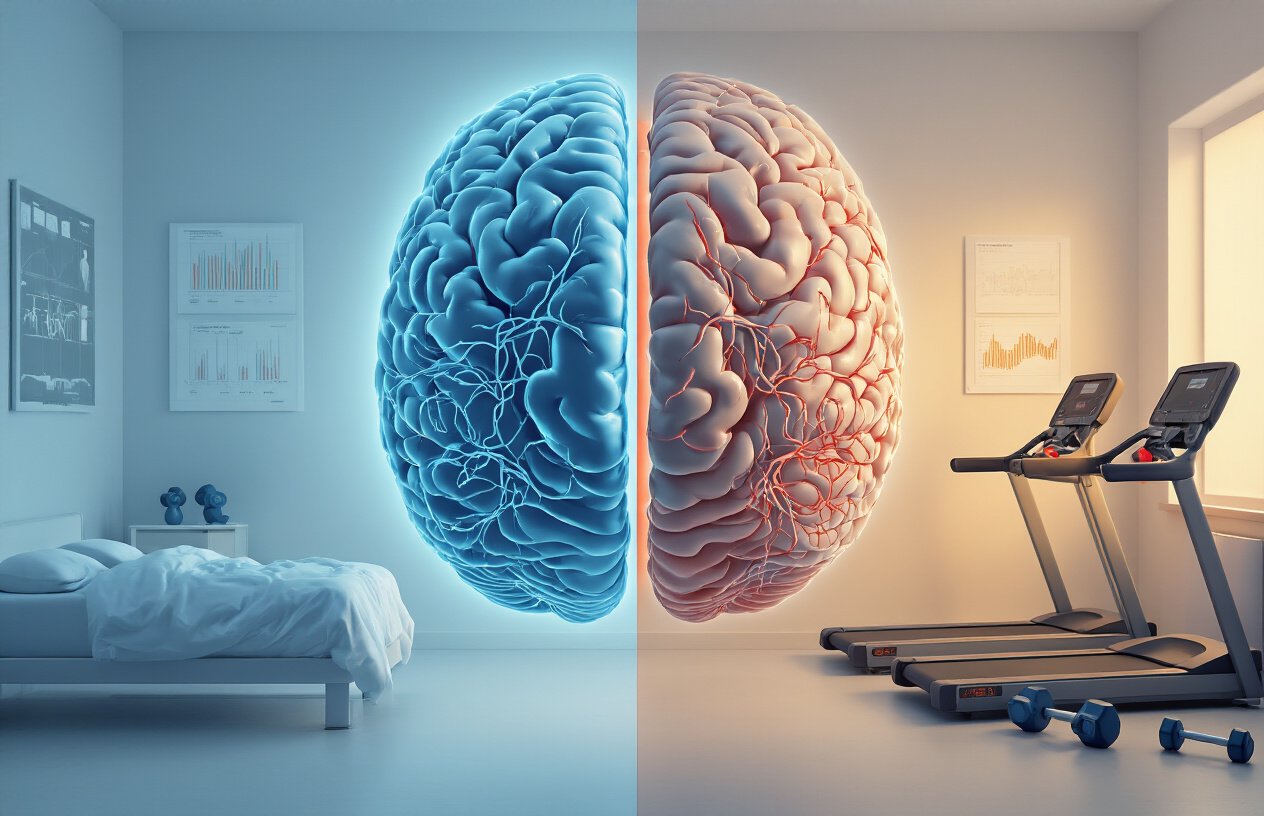
Elevated Core Body Temperature Delays Sleep Onset
Your body temperature naturally drops in the evening as part of your circadian rhythm, signaling to your brain that it’s time for sleep. When you exercise intensely within 3-4 hours of bedtime, you’re essentially fighting against this biological process. High-intensity workouts can raise your core body temperature by 2-3 degrees Fahrenheit, and it takes several hours for your body to cool back down to optimal sleep levels.
This temperature elevation triggers your sympathetic nervous system to stay alert, making it nearly impossible to drift off naturally. Research shows that people who exercise vigorously in the evening take an average of 14 minutes longer to fall asleep compared to those who finish their workouts earlier in the day. The cooling process your body needs to undergo becomes a major roadblock to quality rest.
Stress Hormones Remain High After Intense Training Sessions
Intense exercise floods your system with cortisol and adrenaline – the same stress hormones that keep you alert during a crisis. While these hormones are beneficial during your workout, helping you push harder and recover faster, they become sleep saboteurs when they linger in your bloodstream.
Cortisol levels can remain elevated for 6-8 hours after a high-intensity session. This creates a biochemical conflict in your body: you’re physically tired but hormonally wired. Your mind races, your heart rate stays elevated, and achieving the relaxed state needed for deep sleep becomes nearly impossible.
| Hormone | Normal Evening Decline | After Intense Exercise |
|---|---|---|
| Cortisol | 50-60% decrease | Remains elevated 4-6 hours |
| Adrenaline | 70% decrease | Stays high 2-4 hours |
| Growth Hormone | Increases for recovery | Delayed release |
Muscle Recovery Processes Interfere with Deep Sleep Phases
Your muscles don’t just recover during sleep – they actively work, and this work can disrupt your sleep architecture. During the muscle repair process, your body increases blood flow to damaged tissue, raises local tissue temperature, and releases inflammatory markers. These recovery processes can create physical discomfort and restlessness that prevents you from reaching the deeper stages of sleep.
The protein synthesis required for muscle growth peaks during the first few hours after exercise. If you’re trying to sleep during this peak recovery window, your body is essentially running two demanding programs simultaneously: sleep restoration and muscle repair. This competition for resources often leaves both processes compromised, resulting in fragmented sleep and incomplete recovery.
Optimizing Your Workout Schedule for Better Sleep
Time Your Workouts 3-4 Hours Before Bedtime
Your body needs time to wind down from intense physical activity, and this process takes longer than most people realize. When you exercise vigorously within three hours of bedtime, your core body temperature remains elevated, your heart rate stays high, and stress hormones like cortisol and adrenaline continue circulating through your system. These physiological changes directly conflict with your body’s natural preparation for sleep.
The magic window for evening workouts falls between 4:00 PM and 7:00 PM for most people who sleep around 10:00 PM to 11:00 PM. This timing allows your body temperature to rise during exercise and then gradually decline as bedtime approaches. The cooling effect actually helps trigger sleepiness, working with your circadian rhythm instead of against it.
If you’re stuck with late evening gym sessions due to work schedules, aim to finish by 8:00 PM at the latest. Your body can still recover, but you’ll need to be extra diligent about cool-down routines and creating a calm environment afterward.
Choose Low-Impact Activities for Evening Exercise
High-intensity workouts pump your nervous system into overdrive, making quality sleep nearly impossible when performed too close to bedtime. Instead of abandoning evening exercise entirely, shift toward gentler activities that still provide fitness benefits without the sleep-disrupting side effects.
Yoga flows, particularly restorative sequences, can actually improve sleep quality when done in the evening. The combination of gentle stretching, controlled breathing, and mindfulness helps activate your parasympathetic nervous system – your body’s “rest and digest” mode. Similarly, tai chi and qigong offer slow, flowing movements that reduce stress while maintaining physical activity.
| Evening-Friendly Activities | Sleep Benefits |
|---|---|
| Restorative yoga | Activates relaxation response |
| Walking or light hiking | Gentle endorphin release |
| Swimming (low intensity) | Full-body relaxation |
| Stretching routines | Releases muscle tension |
| Pilates | Controlled movements, mindful breathing |
Light resistance training with longer rest periods can work if you keep the intensity moderate. Focus on controlled movements rather than explosive power exercises. Save your HIIT sessions, heavy lifting, and sprint intervals for morning or afternoon slots.
Implement Proper Cool-Down Routines to Signal Rest Mode
The transition from exercise to sleep doesn’t happen automatically – you need to deliberately guide your body through the process. A structured cool-down routine serves as a bridge between your workout’s high-energy state and the calm needed for quality sleep.
Start with 10-15 minutes of light movement to gradually lower your heart rate. Walking or gentle cycling works perfectly. Follow this with static stretching, holding each position for 30-60 seconds. Focus on major muscle groups you worked during your session, but don’t skip areas like your neck and shoulders that accumulate tension throughout the day.
Progressive muscle relaxation techniques work wonders during cool-down. Tense each muscle group for 5 seconds, then release completely. Start with your toes and work up to your face. This practice teaches your body the difference between tension and relaxation while signaling that it’s time to shift gears.
Create a post-workout ritual that includes dimming lights, playing calming music, and avoiding screens. Take a lukewarm shower rather than a hot one – the slight drop in body temperature afterward mimics your natural sleep preparation process. Keep a consistent routine, and your body will start associating these actions with upcoming sleep time.
Monitor Your Heart Rate Recovery Between Sessions
Heart rate variability and recovery patterns reveal whether your workout schedule supports or undermines your sleep quality. Poor recovery between sessions often shows up as elevated resting heart rate, reduced heart rate variability, and difficulty falling or staying asleep.
Track your resting heart rate each morning before getting out of bed. A consistently elevated rate compared to your baseline suggests your body hasn’t fully recovered from previous workouts. This incomplete recovery state keeps your nervous system in a heightened state that interferes with deep sleep phases.
Recovery heart rate – how quickly your pulse returns to normal after exercise – also provides valuable feedback. If your heart rate stays elevated for more than 10-15 minutes post-workout, you might be pushing too hard or exercising too close to bedtime. Quality sleep trackers can show you patterns over weeks and months, revealing connections between workout intensity, timing, and sleep metrics.
Pay attention to your heart rate variability (HRV) trends. Higher HRV generally indicates better recovery and readiness for the next workout. When HRV drops consistently, your body needs more recovery time. Scheduling easier workouts or complete rest days during low HRV periods often leads to better sleep and improved performance when you return to harder training.
Adjust your workout schedule based on this data rather than sticking to a rigid routine that fights against your body’s recovery needs. Some weeks you’ll handle evening workouts fine, while other periods require earlier exercise times or reduced intensity to maintain healthy sleep patterns.
Lifestyle Changes That Enhanced My Sleep-Fitness Balance
Morning Strength Training Improved Evening Relaxation
Switching my strength training to early mornings completely transformed my sleep quality. When I was lifting weights in the evening, my body temperature stayed elevated for hours, and my mind remained wired from the adrenaline rush. My AI tracker revealed that my heart rate variability stayed low well into the night, indicating my nervous system couldn’t properly downshift into recovery mode.
The morning routine created a natural rhythm where my body had the entire day to process the workout stress. By 6 PM, my cortisol levels had naturally declined, and my body temperature began its evening drop – a crucial signal for melatonin production. The tracker data showed my deep sleep phases increased by 23% within two weeks of making this switch.
Starting workouts between 6-8 AM also exposed me to natural light, which helped regulate my circadian rhythm. This exposure strengthened my body’s internal clock, making me naturally tired by 9-10 PM instead of tossing around until midnight.
Strategic Nutrition Timing Supported Both Performance and Rest
The timing of my meals became just as important as what I ate. My tracker revealed that eating large meals within three hours of bedtime consistently disrupted my sleep architecture, even when I felt tired. Late dinners kept my core body temperature elevated and forced my digestive system to work overtime during crucial recovery hours.
I restructured my eating schedule around my workout timing:
- Pre-workout (5:30 AM): Black coffee and a small banana for quick energy
- Post-workout (8:00 AM): Protein-rich breakfast with complex carbs for sustained recovery
- Lunch (12:00 PM): Balanced meal with lean protein, vegetables, and healthy fats
- Dinner (6:00 PM): Lighter portion with easily digestible proteins and vegetables
- Evening snack (8:00 PM): Small portion of tart cherries or magnesium-rich almonds if needed
This schedule gave my body 3-4 hours to digest dinner before sleep while ensuring adequate post-workout nutrition for muscle recovery. The tracker showed my REM sleep improved significantly when I stopped eating after 8 PM, and my morning energy levels became more consistent.
Stress Management Techniques Accelerated Recovery
High-intensity workouts create physical stress that can compound with daily life pressures. My tracker data revealed elevated stress markers even on rest days, suggesting my recovery protocols weren’t adequate. I needed active stress management, not just passive rest.
Incorporating 10-15 minutes of deep breathing exercises after workouts helped activate my parasympathetic nervous system faster. Box breathing (4 counts in, hold for 4, out for 4, hold for 4) became my go-to technique. The tracker showed my heart rate variability improved within hours of these sessions.
Progressive muscle relaxation before bed taught me to consciously release physical tension accumulated throughout the day. Starting from my toes and working upward, I would tense each muscle group for 5 seconds, then release. This practice helped my body learn the difference between tension and relaxation, making it easier to unwind naturally.
Cold showers after morning workouts initially seemed counterintuitive, but they actually helped manage stress hormones. The brief cold exposure triggered a controlled stress response that improved my body’s overall stress resilience, leading to better sleep quality hours later.
Consistent Sleep Schedule Maximized Training Adaptations
My AI tracker made it clear that irregular sleep timing was undermining both my recovery and performance gains. Even when I got 7-8 hours of sleep, going to bed at different times each night disrupted my body’s natural repair cycles.
Setting a strict 10 PM bedtime and 6 AM wake time, even on weekends, synchronized my circadian rhythm with my training schedule. This consistency meant my body began preparing for sleep naturally as bedtime approached, without relying on melatonin supplements or sleep aids.
The tracker showed that maintaining this schedule increased my deep sleep percentage from 15% to 22% of total sleep time. More importantly, my workout performance became predictable – I knew exactly how much energy I’d have each morning based on consistent sleep quality.
Weekend schedule flexibility came from shifting activities earlier rather than staying up late. Instead of 9 PM dinners, I planned social activities for lunch or early evening, protecting my sleep window while maintaining my social life.
Regular Data Review Enabled Continuous Optimization
Weekly data reviews became my secret weapon for fine-tuning the balance between fitness and sleep. Every Sunday, I analyzed trends in sleep quality, workout intensity, nutrition timing, and stress levels from the previous week.
The tracker’s correlation features revealed patterns I never would have noticed otherwise. For instance, leg day workouts consistently led to better sleep quality than upper body sessions, possibly due to larger muscle groups requiring more recovery resources. This insight helped me schedule intense lower body workouts earlier in the week when I could afford deeper recovery sleep.
Monthly reviews showed longer-term adaptations. After three months of morning training, my baseline heart rate variability improved by 15%, indicating better overall recovery capacity. This data gave me confidence to gradually increase workout intensity without sacrificing sleep quality.
The most valuable insight came from tracking subjective energy ratings alongside objective metrics. Some nights showed perfect sleep scores but I felt tired, usually correlating with high training loads or inadequate nutrition. This taught me to balance data with body awareness, using technology as a guide rather than gospel.
Your workout routine might be the hidden culprit behind those restless nights. AI sleep trackers can reveal surprising patterns between your exercise habits and sleep quality that you’d never notice otherwise. Late-night gym sessions, overtraining, and poor recovery timing can all throw off your body’s natural sleep cycle, even when you think you’re doing everything right.
The good news is that small adjustments to your workout schedule can make a huge difference. Try moving intense workouts earlier in the day, giving your body more time to cool down before bed, and paying attention to how different types of exercise affect your sleep patterns. Your AI tracker can guide these changes by showing you exactly what works and what doesn’t. Start tracking your workouts alongside your sleep data tonight – you might be surprised by what you discover about your own habits.