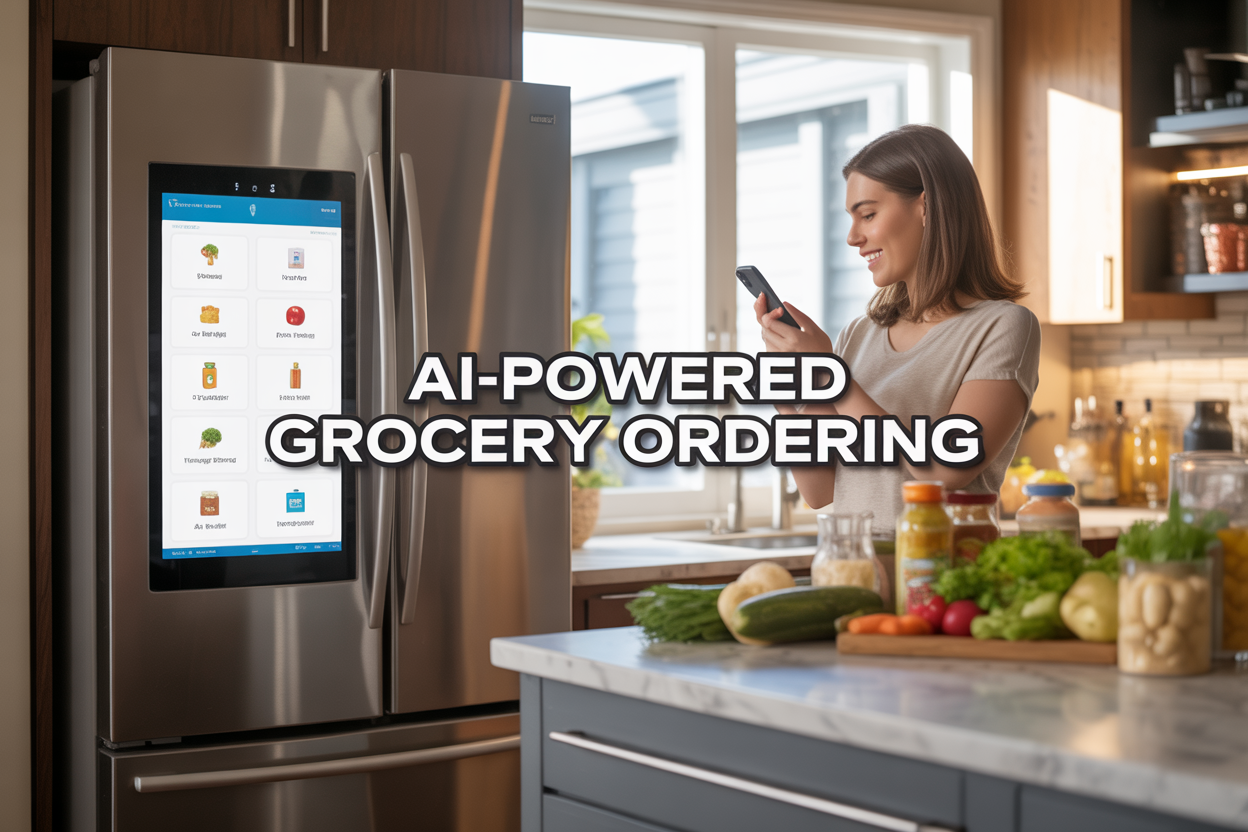
Tired of writing grocery lists that never match what you actually eat? Busy families, tech enthusiasts, and anyone who’s ever thrown away expired food will love this smart fridge AI system that revolutionized my household shopping.
After months of food waste and constant store runs, I trained my smart fridge to order groceries automatically based on our real consumption patterns. No more guessing what we need or buying items that sit untouched for weeks.
I’ll walk you through setting up an intelligent grocery ordering system that learns your family’s habits and predicts when you’ll run out of essentials. You’ll also discover how AI-powered purchasing decisions cut our grocery budget by 30% while reducing food waste to almost zero.
Why Traditional Grocery Lists Fail Modern Families

Food waste costs the average household $1,500 annually
American families throw away roughly 30-40% of their food purchases each year, translating to an eye-watering $1,500 loss for the typical household. This isn’t just about that forgotten bag of spinach turning into green slime in your crisper drawer – though we’ve all been there. The real culprit is buying food based on good intentions rather than actual eating habits.
Traditional grocery lists operate on wishful thinking. You write down “kale” because you want to eat healthier, but your family consistently reaches for iceberg lettuce instead. You stock up on ingredients for elaborate dinner plans that never materialize because Tuesday night soccer practice runs late again. Meanwhile, that expensive organic produce wilts away while you order pizza for the third time this week.
The financial impact extends beyond the purchase price. Factor in the time spent shopping for items you’ll never use, the gas money for extra grocery runs when you realize you’re out of essentials, and the premium prices paid for last-minute convenience store purchases. These hidden costs compound the problem, making grocery shopping one of the least efficient aspects of household management.
Manual tracking misses consumption patterns and preferences
Human memory fails spectacularly when it comes to tracking food consumption patterns. Most families have no idea they go through three gallons of milk per week during school months but barely touch dairy during summer break. They don’t notice that Dad exclusively drinks coffee on weekday mornings but switches to tea on weekends, or that the kids demolish snack foods within 48 hours of grocery shopping.
Paper lists and even smartphone notes can’t capture the nuanced reality of how families actually eat. They miss seasonal preferences, like the fact that soup ingredients disappear faster during cold snaps or that fresh fruit consumption spikes when local varieties come into season. Manual tracking also fails to account for the subtle but important differences between family members’ preferences – Mom prefers Greek yogurt while the kids only eat the strawberry variety.
Without this data, grocery decisions become educated guesses at best. You might buy the same items week after week, not realizing that your household’s needs shifted months ago. The result? Constantly running out of items people actually want while accumulating stockpiles of products that sit untouched.
Static lists cannot adapt to changing schedules and meal plans
Life doesn’t follow a predictable script, but traditional grocery lists pretend it does. Your carefully planned meal prep for the week falls apart when your teenager decides to join the debate team, requiring three additional practice dinners per week. Business trips, social events, and unexpected overtime all disrupt eating patterns, rendering static grocery lists obsolete before you even reach the store.
Seasonal schedule changes create even bigger challenges. Summer vacation completely transforms a family’s eating rhythm – no more rushed breakfast purchases, but suddenly you need three times as many lunch supplies. Holiday seasons bring their own complications with extended family visits, party hosting responsibilities, and travel plans that can leave a fully stocked refrigerator unused for days.
Traditional lists can’t predict these variations or adjust accordingly. They’re snapshots of a single moment in time, not dynamic tools that evolve with your family’s actual lifestyle. This inflexibility leads to constant miscalculations – buying too much when your schedule is packed with dining out, or too little when unexpected guests extend their stay.
Impulse purchases and forgotten items create budget overruns
The gap between planned and actual grocery spending reveals the fundamental weakness of traditional list-based shopping. Even the most disciplined shoppers fall victim to strategic product placement, seasonal promotions, and the simple human tendency to grab items that look appealing in the moment.
Grocery stores deliberately exploit these psychological weaknesses. End-cap displays, checkout lane temptations, and “limited time” offers all target your decision-making when you’re tired from shopping and eager to finish the task. Without a smart system tracking your actual needs and consumption patterns, you have no defense against these tactics except willpower – which studies consistently show is unreliable under stress.
Forgotten essentials compound the problem by forcing additional shopping trips, each creating new opportunities for unplanned purchases. Running back to the store for milk often results in coming home with $30 worth of items you didn’t intend to buy. These mini-shopping sessions add up quickly, turning grocery budgets into moving targets that consistently exceed expectations.
Smart Fridge Technology That Actually Learns Your Habits
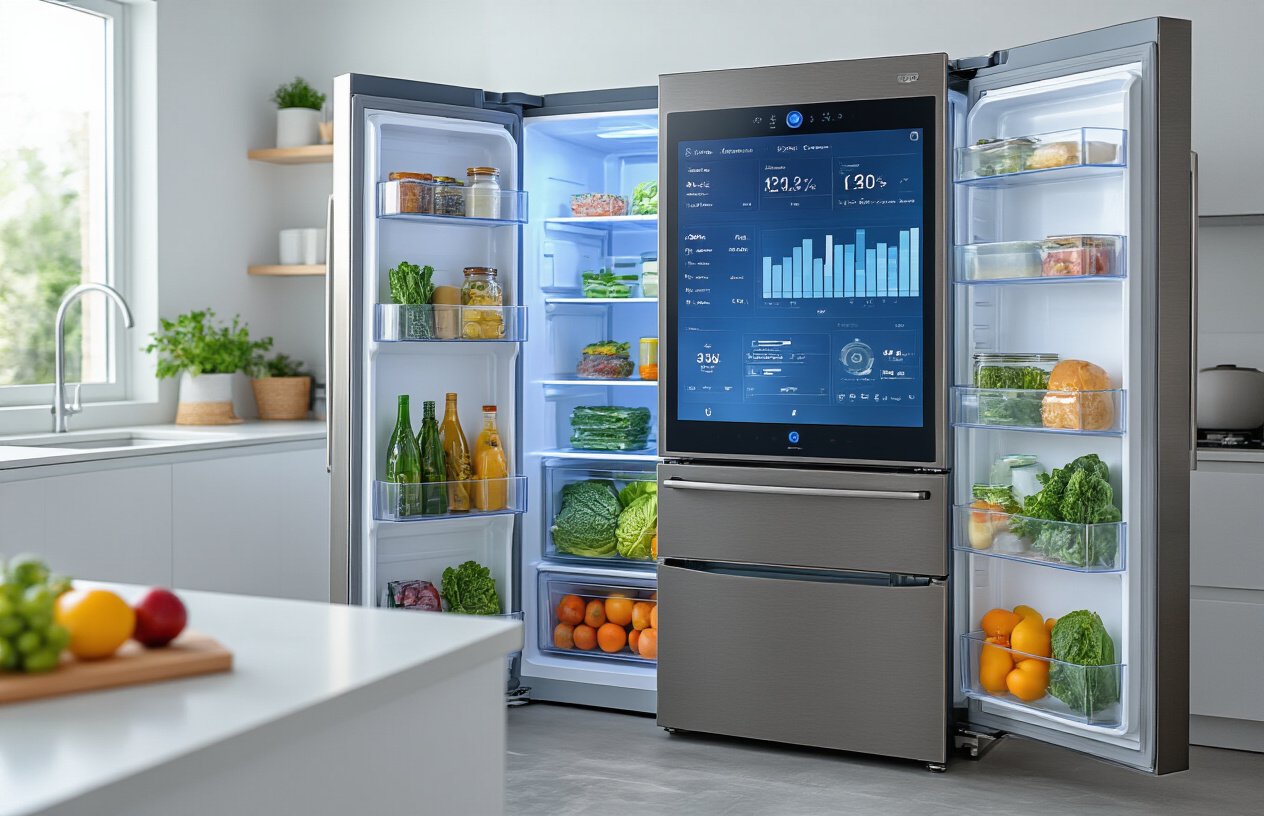
AI-powered cameras identify and track food inventory in real-time
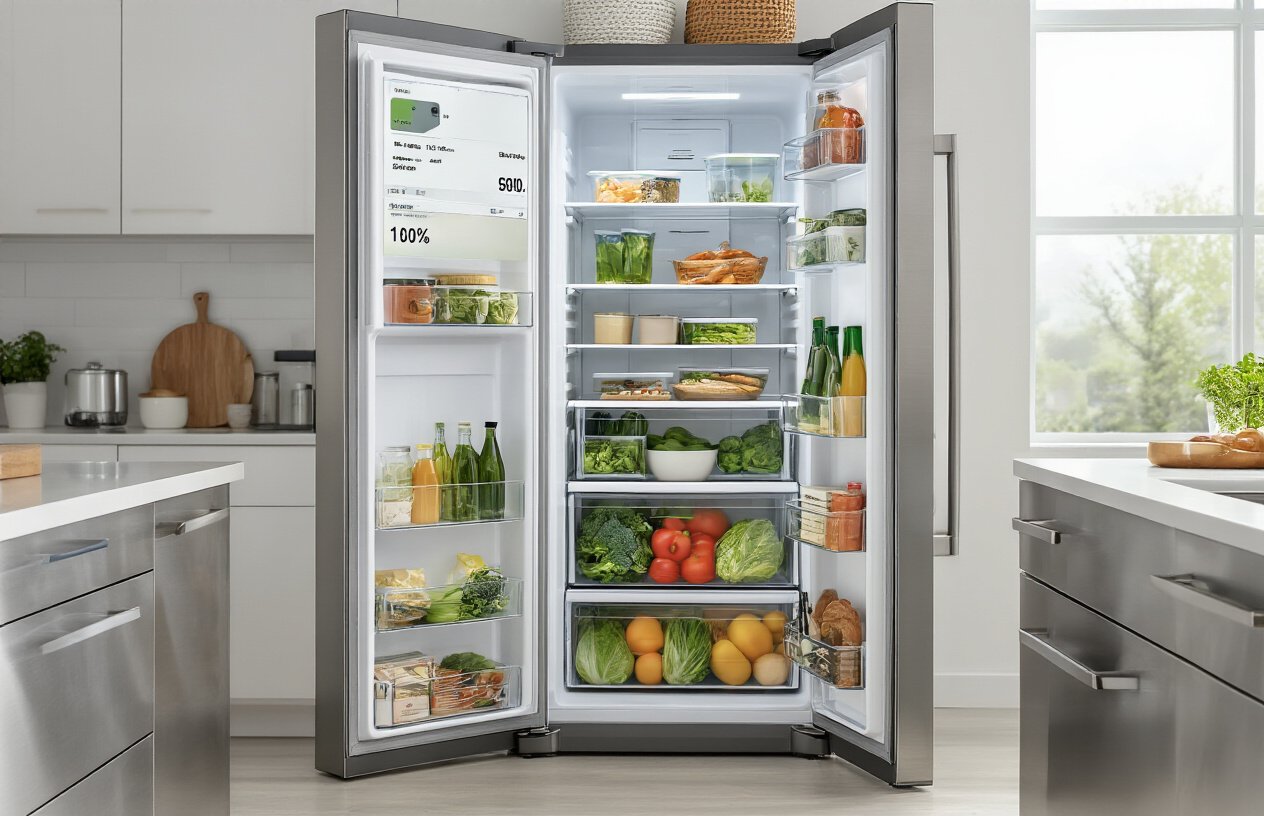
The latest smart fridges come equipped with multiple high-resolution cameras positioned at strategic angles inside the main compartment and door shelves. These cameras capture detailed images every time you open the fridge, creating a comprehensive visual map of your food inventory. The AI doesn’t just see your food—it recognizes specific brands, package sizes, and even estimates freshness levels based on visual cues like browning on produce or expiration dates on packages.
What makes this technology remarkable is its ability to distinguish between similar items. The system can tell the difference between whole milk and 2% milk, organic apples versus conventional ones, and even track partially consumed items like half-empty yogurt containers. The cameras work in conjunction with weight sensors on each shelf, providing dual verification of what’s actually inside your fridge.
The real-time aspect means your fridge maintains an up-to-the-minute inventory list. When you grab that last bottle of ketchup for dinner, the system immediately registers the removal and updates your shopping needs. This instant tracking eliminates the guesswork that leads to buying duplicates or forgetting essentials until you’re already cooking.
Machine learning algorithms analyze consumption patterns over time
Behind the camera technology lies sophisticated machine learning that studies how your family actually eats. The AI tracks not just what disappears from your fridge, but when and how quickly different items get consumed. After just a few weeks, patterns emerge that reveal your family’s unique food rhythm.
The algorithms identify seasonal trends in your eating habits—perhaps you consume more fresh berries in summer or gravitate toward heartier soups during winter months. They also recognize weekly patterns, like how you tend to cook elaborate meals on weekends but rely on quick snacks during busy weekdays. This data helps predict when you’ll need specific ingredients.
The system learns from your shopping history too. If you consistently buy organic produce or prefer certain brands, these preferences become part of your household profile. The AI even adapts to lifestyle changes—when someone in your family starts a new diet or workout routine, the algorithm adjusts its predictions based on shifting consumption patterns.
Most importantly, the machine learning accounts for waste patterns. If you regularly throw out expired lettuce, the system might suggest smaller portions or alternative greens that last longer in your household’s consumption cycle.
Integration with meal planning apps and dietary preference settings
Modern smart fridges seamlessly connect with popular meal planning applications like Mealime, PlateJoy, and Paprika. This integration creates a powerful feedback loop where your planned meals inform your grocery needs, while your actual consumption patterns help refine future meal suggestions. When you plan chicken stir-fry for Tuesday, the system automatically checks your current vegetable inventory and adds missing ingredients to your shopping list.
The dietary preference settings go beyond basic categories like vegetarian or gluten-free. You can specify detailed restrictions such as low-sodium requirements for health conditions, nut allergies for family safety, or preferences for locally-sourced ingredients. The AI uses these settings to filter potential purchases and suggest alternatives that match your family’s needs.
Family member profiles allow for personalized tracking within the same household. Parents can set different parameters for children’s snacks versus their own dietary goals. The system might recognize that teenage family members consume dairy products at twice the rate of adults, automatically adjusting milk and cheese reorder quantities accordingly.
Recipe integration takes this further by analyzing your cooking frequency and favorite dishes. If you make homemade pizza every Friday night, the system ensures you never run out of pizza sauce, mozzarella, or your preferred flour brand. The AI even suggests recipe modifications based on what’s currently available in your fridge, reducing food waste while maintaining your family’s preferred eating style.
Setting Up Your Intelligent Grocery Ordering System
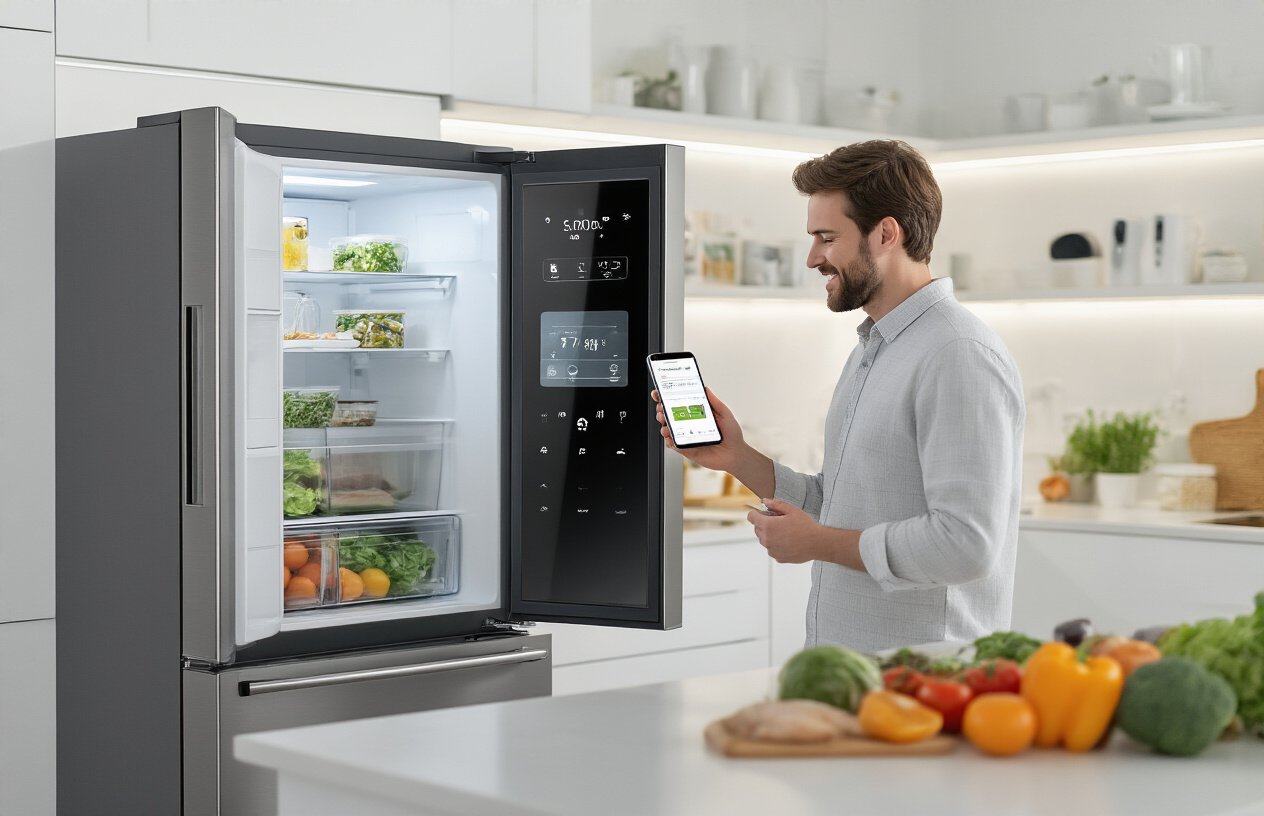
Connect your smart fridge to preferred grocery delivery services
Most smart fridges come with compatibility for major grocery delivery platforms, but the setup process varies significantly between brands. Samsung Family Hub works seamlessly with Amazon Fresh and Whole Foods, while LG ThinQ Connect integrates better with Walmart Grocery and Instacart. Start by downloading your fridge manufacturer’s companion app and navigating to the “Connected Services” or “Smart Shopping” section.
The authentication process requires linking your existing grocery accounts or creating new ones directly through the fridge interface. Amazon Fresh integration typically takes 2-3 minutes, requiring only your Prime credentials. Instacart connections need additional verification since they work with multiple retailers. You’ll select your preferred stores during this step – choose locations you already shop at to maintain familiar pricing and product availability.
Payment method setup is crucial for automated ordering. Link a dedicated grocery credit card or checking account rather than your primary payment method. This creates a natural spending boundary and simplifies expense tracking. Most systems allow you to set weekly or monthly spending limits during the initial connection process.
Test the connection by manually adding a few items to your cart through the fridge display. Successful integration means seeing real-time pricing, delivery windows, and your loyalty program benefits reflected on the screen.
Configure household member profiles and dietary restrictions
Creating individual profiles prevents the AI from ordering items that family members can’t or won’t eat. Start with basic information: age ranges, activity levels, and meal preferences for each person. The system uses this data to adjust portion recommendations and suggest appropriate alternatives.
Dietary restrictions require detailed input for safety and effectiveness. Allergies need complete ingredient lists – not just “nut allergy” but specific nuts like almonds, walnuts, or peanuts. Food sensitivity settings work differently than allergies; they flag items for review rather than completely blocking them. Someone with lactose sensitivity might still want cheese occasionally, but the system will suggest lactose-free milk as the default.
Religious and cultural dietary preferences need careful configuration. Kosher settings affect more than just meat – they impact combinations of dairy and meat products, specific certification requirements, and even kitchen storage recommendations. Halal preferences similarly extend beyond pork restrictions to include alcohol-derived ingredients and specific slaughter requirements.
Weight management goals integrate with portion control and healthy substitution suggestions. The AI learns to recommend Greek yogurt instead of regular yogurt, or suggests smaller package sizes for high-calorie snacks. These settings adapt over time based on actual consumption patterns tracked by the fridge’s internal sensors.
Set budget parameters and preferred brands for automated decisions
Budget controls work on multiple levels to prevent overspending while maintaining meal quality. Weekly budgets provide the most practical control since grocery shopping follows weekly patterns for most families. Set your normal grocery spending as the baseline, then add 10-15% buffer for price fluctuations and seasonal changes.
Category-specific budgets help balance nutrition with cost. Allocate higher percentages to proteins and fresh produce while limiting spending on processed snacks and beverages. A typical breakdown might reserve 35% for proteins, 25% for produce, 20% for pantry staples, and 20% for dairy and convenience items. The AI learns these proportions and suggests alternatives when approaching category limits.
Brand preference settings require strategic thinking beyond just favorites. Create a three-tier system: preferred brands for items where quality matters most (like coffee or olive oil), acceptable alternatives for standard items (canned goods, cleaning supplies), and budget options for bulk purchases (rice, pasta, paper products). The system automatically selects the best available option within your specified price range.
Generic vs. name-brand ratios can significantly impact your grocery budget. Start with 70% store brands and 30% name brands, then adjust based on family acceptance. The AI tracks consumption rates to identify items where brand switching affects usage patterns – sometimes cheaper products get used more wastefully, negating the savings.
Establish emergency override controls for special occasions
Emergency controls prevent the AI from making inappropriate orders during unusual circumstances. Vacation mode temporarily suspends all automatic ordering while allowing manual purchases for immediate needs. The system maintains your regular preferences but requires manual approval for all items, preventing spoilage from automated deliveries while you’re away.
Special occasion settings adjust ordering patterns for holidays, parties, or dietary changes. Holiday mode increases quantities for traditional meal items while reducing routine purchases. Party settings boost beverage and snack orders while temporarily ignoring healthy eating guidelines. Medical restriction modes can quickly implement new dietary requirements without erasing long-term preferences.
Manual override buttons should be easily accessible on both the fridge display and mobile app. Place these prominently since emergency situations require quick access. The override system maintains a 48-hour log of all manual interventions, helping you identify patterns that might require permanent setting adjustments.
Guest mode accommodates temporary household changes when visitors arrive with different dietary needs. This setting temporarily expands shopping lists without affecting baseline preferences. After the guest period ends, the system automatically returns to normal patterns while storing guest preferences for future visits.
How AI Predicts What You Need Before You Run Out
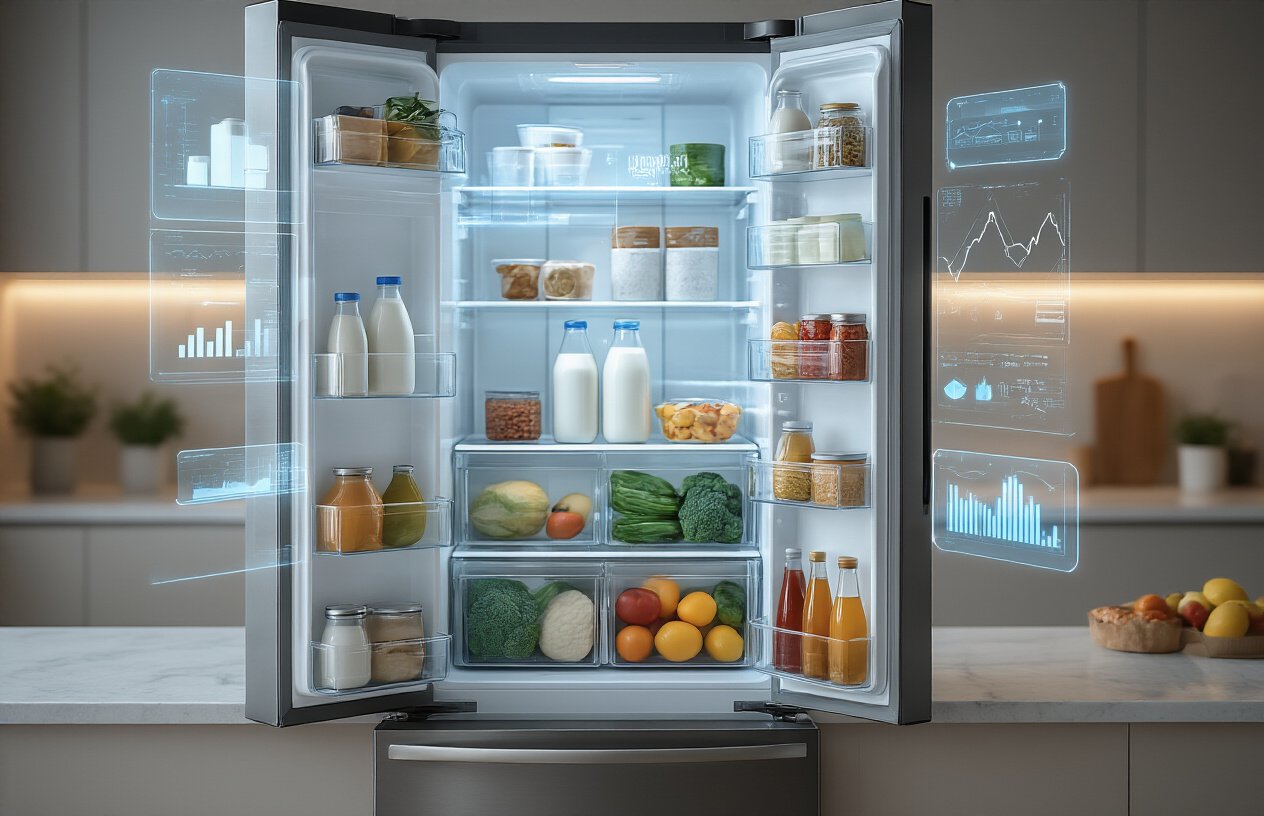
Historical consumption data creates personalized usage forecasts
Your smart fridge becomes a data scientist, tracking every item that enters and leaves your kitchen. Over weeks and months, it builds a detailed picture of your family’s eating patterns. The AI notices that you go through a gallon of milk every five days, finish a loaf of bread in exactly one week, and consume eggs at a rate of six per week during school months but twelve per week during summer vacation.
This historical analysis goes beyond simple averages. The system identifies trends and patterns that even you might not notice. Maybe your coffee consumption spikes every Monday, or your kids eat more yogurt on weekends when they’re home all day. The AI captures these nuances and uses them to predict when you’ll need your next grocery delivery.
The system also adapts to changes in your household. When your teenager starts drinking protein shakes after joining the track team, the AI quickly adjusts its predictions for milk and protein powder consumption. If someone in your family goes on a diet or develops new dietary restrictions, the forecasting model evolves to match these lifestyle changes.
Calendar integration anticipates increased needs for events and guests
Smart fridges tap into your digital calendar to spot upcoming events that will affect your grocery needs. Birthday parties, dinner parties, holiday gatherings, and weekend guests all trigger automatic adjustments to your regular orders.
When your calendar shows “Mom’s 60th Birthday Dinner – 12 people” next Saturday, your AI immediately calculates additional ingredients needed. It considers the extra appetizers, larger main course portions, dessert ingredients, and increased beverage requirements. The system might automatically add items like extra vegetables for a salad, additional proteins for the main course, and party supplies to your next delivery.
The AI learns from past events too. If your last dinner party for eight people required three bottles of wine and extra cheese for appetizers, it remembers this information for future similar gatherings. School events, sports team celebrations, and holiday traditions all get factored into these intelligent predictions.
Your smart fridge even recognizes recurring patterns like weekly family dinners or monthly book club meetings, automatically preparing for these regular events without any manual input from you.
Weather and seasonal adjustments optimize fresh produce ordering
Weather forecasts directly influence your family’s eating habits, and your AI grocery system knows this. Rainy weekends mean more indoor cooking and baking, so the system might automatically add flour, baking supplies, and comfort food ingredients to your order. Hot summer days trigger increased orders for fresh fruits, salad ingredients, and frozen treats.
Seasonal eating patterns get built into the AI’s decision-making process. Spring brings requests for lighter fare and fresh herbs as your family naturally shifts away from heavy winter meals. Fall weather prompts increased orders for soup ingredients and root vegetables. The system tracks these seasonal preferences over multiple years, creating increasingly accurate predictions.
The AI also considers local growing seasons and produce availability. It knows when local strawberries come into season and adjusts your berry orders accordingly. During peak tomato season, it might reduce orders for expensive hothouse varieties and increase purchases of local, in-season options that taste better and cost less.
Storm warnings trigger smart stockpiling. When severe weather is forecast, your system automatically increases orders for non-perishable essentials and shelf-stable items, ensuring your family stays well-fed even if delivery services get disrupted.
Expiration date tracking prevents duplicate purchases and waste
Your smart fridge maintains a real-time inventory of everything inside, including expiration dates and freshness levels. Using computer vision and barcode scanning, it tracks when items arrive, where they’re stored, and how quickly they’re being consumed relative to their shelf life.
The AI calculates optimal purchasing timing to minimize waste. If you have yogurt that expires in three days but your family typically consumes it within five days, the system delays your next yogurt order by a few days. This prevents you from having overlapping inventory that might spoil before you can eat it.
Smart sensors monitor the actual condition of perishables, not just printed expiration dates. The system learns that your bananas typically last seven days in your kitchen’s specific temperature and humidity conditions, even though they might technically stay fresh longer in ideal storage. This real-world data creates more accurate reordering schedules.
When items are nearing expiration, your AI can suggest recipes that use them up or adjust future orders to account for increased consumption of soon-to-expire foods. The system becomes your personal food waste prevention specialist, saving money while reducing environmental impact.
Integration with meal planning features allows the AI to coordinate ingredient purchases with your planned cooking schedule, ensuring everything arrives fresh when you need it for specific recipes.
Maximizing Savings Through Intelligent Purchasing Decisions
AI compares prices across multiple retailers for best deals
Your smart fridge’s AI constantly monitors prices across different grocery chains, online retailers, and warehouse stores. When it spots a significant price drop on your regular items, it automatically adds them to your shopping queue or places orders directly. The system tracks historical pricing data to recognize genuine deals versus fake sales tactics.
The AI learns your brand preferences and creates flexible substitution rules. If your preferred organic pasta goes on sale at Store A while your usual grocery store has a promotion on a comparable alternative, the system weighs factors like quality ratings, nutritional content, and total cost including delivery fees to make the optimal choice.
Price comparison happens in real-time, so you never miss flash sales or limited-time offers. The AI can even coordinate purchases across multiple retailers in a single day to maximize savings, scheduling deliveries to avoid spoilage and minimize your time spent managing orders.
Bulk buying optimization based on storage space and usage rates
Smart inventory management means buying the right quantities at the right times. Your AI tracks consumption patterns for each household member, noting seasonal changes, guest visits, and special events that affect usage. It calculates optimal purchase quantities by analyzing your actual storage capacity – both pantry space and freezer dimensions.
The system prevents over-purchasing perishables that lead to waste while identifying non-perishable items where bulk buying delivers genuine savings. For families with limited storage, the AI might recommend smaller, more frequent orders. Households with ample space get suggestions for warehouse club purchases or multi-month supplies during sales.
The AI also considers expiration dates and your family’s consumption velocity. Fast-moving items like bread or milk get ordered in smaller quantities more frequently, while slow-consuming staples like rice or cleaning supplies trigger bulk purchase recommendations when prices hit optimal thresholds.
Seasonal purchasing strategies for non-perishable staples
Timing purchases around predictable seasonal patterns unlocks substantial savings on household essentials. Your AI maps out annual price cycles for items like paper towels, canned goods, and cleaning supplies, automatically stocking up during traditional sale periods like back-to-school season or post-holiday clearances.
The system builds strategic inventory buffers before predictable price spikes. School supply sales in August become opportunities to stock up on batteries and organizational items you’ll need year-round. Post-Valentine’s Day sales trigger bulk orders for baking ingredients and chocolate items your family regularly consumes.
Weather patterns and seasonal demand fluctuations factor into purchasing decisions. The AI stocks up on soup ingredients before winter price increases and builds summer snack inventories during spring promotions. This forward-thinking approach means you’re always buying at or near annual low prices rather than paying premium rates when you actually need items.
The system also tracks your local area’s specific seasonal patterns, learning when nearby stores typically rotate inventory or offer deep discounts on particular categories.
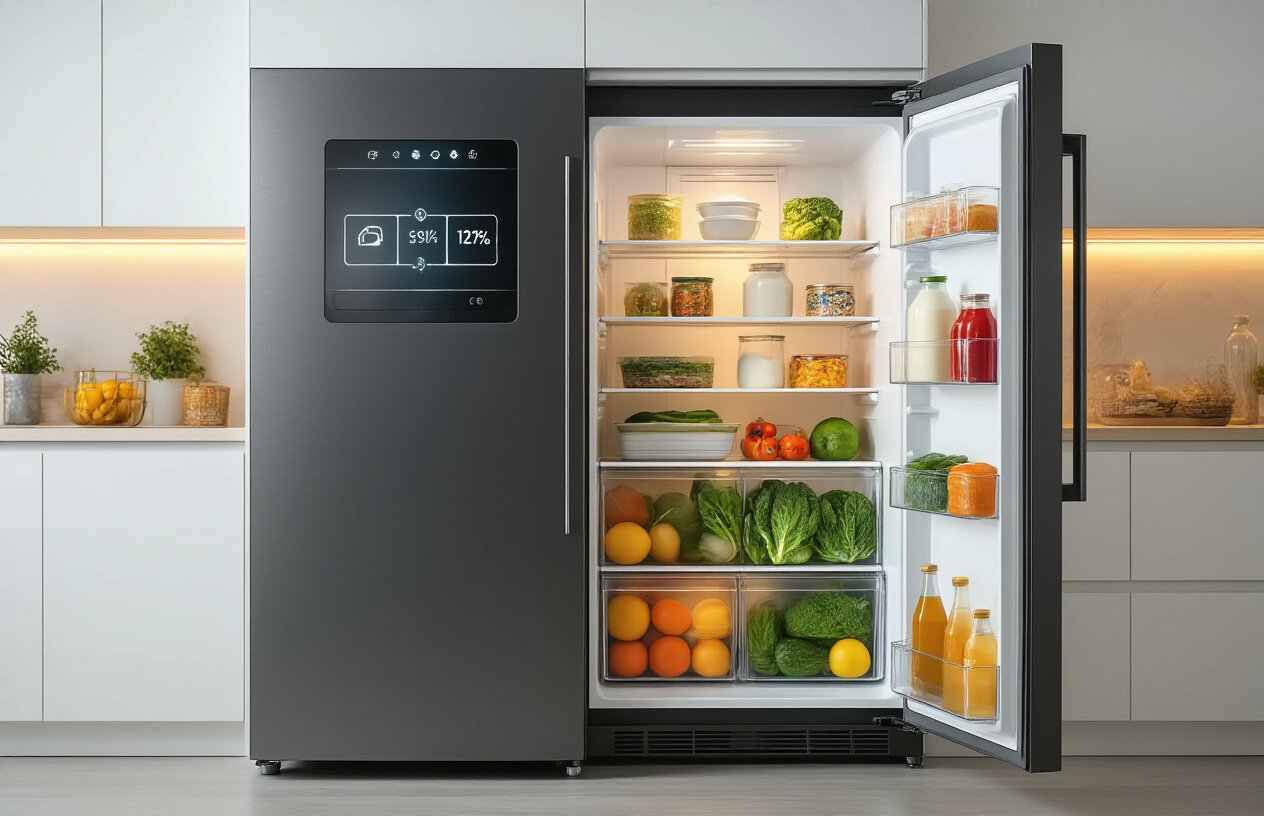
Your smart fridge can become the ultimate shopping assistant when you let AI handle the heavy lifting. By tracking your family’s actual consumption patterns rather than relying on guesswork and forgotten lists, this technology eliminates the frustration of buying too much of what you don’t need and running out of essentials. The system learns from your habits, predicts your needs, and makes smarter purchasing decisions that save both money and time.
The best part? You’ll never again find yourself staring into an empty pantry wondering how you forgot to buy milk again. Set up your intelligent ordering system, let the AI do its work, and watch as your grocery shopping transforms from a weekly chore into a seamless background process. Your future self will thank you for making the switch to truly smart grocery management.